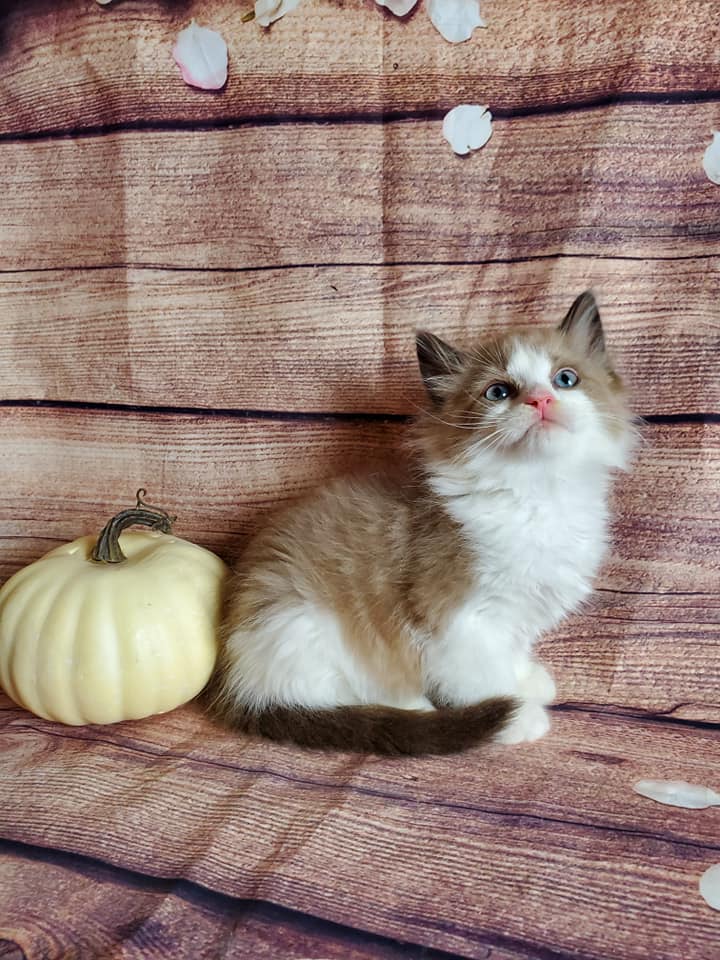
Spotting and managing feline lower urinary tract disease in Ragdolls
Ragdolls have been quietly winning over Australian households for years, and it's easy to see why. Their placid temperament and signature flop-and-cuddle style suit Brisbane backyards, Sydney terraces, and Melbourne apartments in equal measure. Most owners spend the first year marvelling at how easy their kitten is to live with, which can make urinary problems feel especially alarming when they appear out of nowhere.
Feline lower urinary tract disease, often shortened to FLUTD, covers a group of conditions affecting the bladder and urethra. It is one of the more common reasons cats end up at the vet, and Ragdolls are not immune. Indoor cats with quiet routines can be just as vulnerable as highly stressed ones, especially when water intake dips during a long Australian summer.
Catching the early signs often turns a scary situation into a manageable one. Understanding how FLUTD presents, what triggers it, and what an Aussie household can do to lower the risk is well worth a few minutes of reading before you ever need it.
Anyone considering a kitten can review the about us page to see how the cattery approaches daily handling, screening for HCM and FeLV, and smooth transitions into family homes. While no breeder can guarantee a lifetime free of urinary issues, a well-socialised kitten from a small, attentive programme gets a meaningful head start.
| Condition | Typical signs | Urgency | Common trigger |
|---|---|---|---|
| Feline idiopathic cystitis | Frequent squatting, pink urine, vocalising | High | Stress or idiopathic |
| Bacterial urinary tract infection | Straining, foul-smelling urine, fever | Moderate to high | Bacterial invasion |
| Urethral obstruction | Repeated straining, little or no urine, crying | Emergency | Mucus plug or crystals |
| Crystalluria or bladder stones | Intermittent straining, blood, behaviour change | Moderate | Mineral imbalance |
Why Ragdolls are prone to FLUTD
Ragdolls are a large, slow-maturing breed, but their urinary plumbing isn't dramatically different from any other cat. The risk isn't so much anatomical as lifestyle. Many Australian Ragdolls live exclusively indoors, eat mostly dry kibble, and drink from a single bowl near the food, all of which can lead to concentrated urine and a sluggish bladder flush.
There is also a quiet behavioural angle. Ragdolls form strong attachments to their people and home territory, so a renovation in a Perth suburb, a new puppy, a long-haul flight, or a long hot summer with frequent visitors can nudge a sensitive cat into a stress response that shows up in the bladder first. Vets often call this feline idiopathic cystitis, and it remains the most common FLUTD diagnosis in Australia.
Recognising the warning signs at home
The earliest signs tend to be behavioural rather than dramatic. A cat who normally uses the tray without fuss may start visiting more often, producing only a few drops at a time. Owners often spot a faint pink or red tint on the litter, or small wet patches on tiles and bedding where the cat has dripped after leaving the tray.
Vocalisation is another reliable clue. A normally quiet Ragdoll who begins crying in the tray, or who hunches and tenses while squatting, is signalling real discomfort. Watch for repeated grooming around the lower belly and back legs too. Cats in urinary pain often lick the area obsessively, leaving the fur damp or noticeably thin.
A cat who suddenly starts missing the tray and choosing the bathroom mat or laundry pile instead may not be acting up. It may be associating the tray with pain and looking for a softer option.
When to treat it as an emergency
Urethral obstruction is fast, painful, and potentially fatal within 24 to 48 hours if untreated. It is most common in neutered males because their urethra is long and narrow, and Ragdoll toms are no exception. An obstructed cat will strain repeatedly, sometimes crying out, and produce little or no urine.
If your cat is straining without output, vomiting, has a hard sore belly, or is becoming lethargic and unwilling to move, head straight to the nearest emergency hospital. After-hours veterinary care is available through dedicated emergency clinics in Australian capital cities, and chains like Greencross and Vetfriends run twenty-four-hour facilities in most metro areas. Do not wait until morning.
What the vet will check
A vet starts with a hands-on exam and a urine sample, usually collected by cystocentesis, a quick needle draw from the bladder. The sample is tested for blood, protein, bacteria, crystals, and pH. Urinalysis paired with bloodwork, and often an ultrasound or x-ray, builds a complete picture of what is happening inside.
If a blockage is present, the cat is sedated and a urinary catheter is placed to relieve the obstruction and flush the bladder. Fluids, pain relief, and muscle relaxants support recovery over the next day or two. Bacterial infections are usually cleared with a course of antibiotics, while stress-driven cystitis responds to a blend of medical and environmental support, which is where owners do much of the heavy lifting.
Diet, water, and long-term management
Food is the easiest lever for most families. Shifting a Ragdoll towards a high-moisture diet, whether that means quality canned food, raw, or a balanced wet-and-dry mix, lifts overall water intake and helps keep urine dilute. Some vets recommend prescription urinary diets that adjust mineral content and pH to reduce crystal formation.
Water access matters just as much. Running water appeals to many cats, so a pet fountain placed away from food and litter trays can lift daily intake noticeably, especially during an Adelaide heatwave or a Darwin wet-season build-up. Keep multiple bowls around the home, refresh them daily, and try glass or ceramic over plastic, which some cats reject.
For cats recovering from obstruction or recurring cystitis, ongoing monitoring pays off. A simple photo journal of litter habits makes subtle shifts easier to spot and gives the vet useful evidence at follow-up appointments.
Reducing stress in the home environment
For stress-driven cystitis, environmental design is half the treatment. Place litter trays in quiet, low-traffic spots, sized so a fully grown Ragdoll can turn comfortably, and scoop at least once a day. Most behaviourists recommend one tray per cat plus one extra, spread across different rooms rather than lined up side by side.
Pheromone diffusers, predictable feeding times, vertical climbing space, and daily interactive play all support a calmer cat. During bushfire season, when smoke haze settles over the eastern states, indoor air quality can push stress hormones up in cats as well as people. Closed windows, an air purifier, and a quiet retreat room can make a real difference.
A Ragdoll with a stable home, plenty of fresh water, and an attentive owner who knows the early signs is unlikely to see FLUTD become a crisis. The signs worth remembering are straining without output, frequent small visits to the tray, pink-tinged urine, and any sudden change in litter habits. With that knowledge, prompt vet care, and a low-stress environment, the breed's famously long, healthy life remains well within reach.