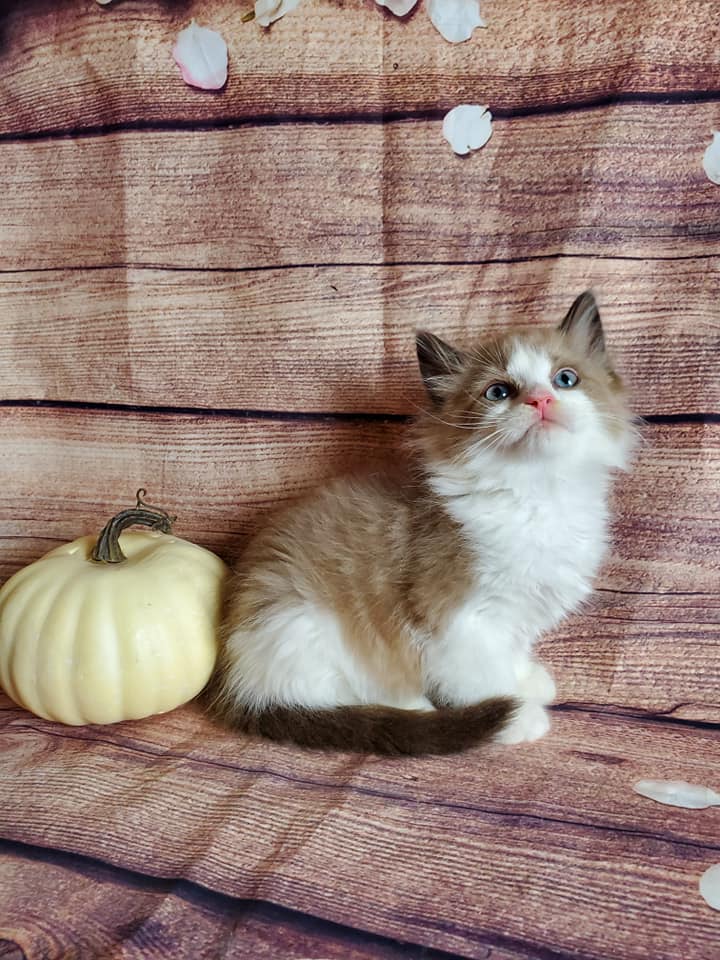
Spotting and Treating Upper Respiratory Infections in Ragdoll Kittens
Ragdoll kittens, like all young felines, are particularly vulnerable to upper respiratory infections during their first few months of life. These infections target the nose, throat, and sinus passages, and they spread quickly in environments where kittens live in close quarters. While most cases are mild and resolve with proper care, untreated infections can escalate into pneumonia or chronic conditions that affect a cat for life.
The breed's calm, indoor-loving nature offers some protection, yet Ragdolls handled by multiple family members or exposed to other cats face elevated risk. Their long coats and flat facial features can also trap moisture around the nose, creating conditions where pathogens thrive. Australian owners should understand how the local climate, from humid Brisbane summers to dry Perth heat, can influence both symptom severity and recovery speed.
Early intervention makes the difference between a brief illness and a drawn-out health struggle. Recognising the warning signs, knowing when to seek professional help, and providing thoughtful home care can protect a kitten's developing immune system and ensure it grows into a healthy adult companion.
Common Causes of Feline Upper Respiratory Infections
Most upper respiratory infections in kittens stem from two main viral culprits: feline herpesvirus (FHV-1) and feline calicivirus (FCV). Bacterial agents like Bordetella bronchiseptica, Chlamydia felis, and Mycoplasma can also trigger symptoms or complicate existing viral infections. Stress plays a significant role in flare-ups, particularly during weaning, rehoming, or introduction to new environments.
In Australia, environmental factors contribute to the spread of these pathogens. Bushfire smoke during summer months can irritate a kitten's airways and lower its defences. Indoor heating and air conditioning, common in Melbourne and Sydney homes, may dry out mucous membranes, making infection more likely. Multi-cat households and catteries that import breeding stock face additional biosecurity considerations under Australian quarantine regulations.
Early Warning Signs Ragdoll Owners Should Watch For
The earliest indicators of a respiratory infection often appear subtly. A Ragdoll kitten may develop a clear or watery discharge from the eyes and nose, accompanied by frequent sneezing. Owners might notice the kitten sleeping more than usual or showing less interest in food. Some kittens develop a slight fever, while others develop conjunctivitis with reddened, swollen eyelids.
As the condition progresses, symptoms can include thick yellow or green discharge, mouth ulcers, coughing, and laboured breathing. Kittens with severe infections may drool, hold their head low, or refuse food and water entirely. Because Ragdolls are stoic by nature, visible discomfort often signals that the infection has been present for several days.
When to Visit an Australian Veterinarian
Veterinary care should be sought within 24 to 48 hours of noticing persistent symptoms. Kittens under six months old are especially vulnerable because their immune systems remain immature. Difficulty breathing, refusal to eat for more than a day, or any sign of dehydration warrants an immediate visit to a veterinary clinic.
Australia offers strong veterinary infrastructure, with clinics operated by groups such as Greencross Vets, Petstock, and independent practices across suburbs from Parramatta to Adelaide. Pet insurance is widespread, though waiting periods often apply for illness claims. Many clinics offer payment plans through services like VetPay, easing the financial burden of unexpected treatments that can range from 200 to over 1,500 dollars depending on severity.
Veterinary Treatment Pathways Across the Country
A veterinarian typically diagnoses upper respiratory infections through physical examination and may recommend PCR testing to identify the specific pathogen. Treatment depends on the underlying cause and severity. Bacterial infections often respond to antibiotics such as doxycycline or amoxicillin, while viral cases require supportive care rather than antimicrobial medication.
Severely dehydrated kittens may need subcutaneous or intravenous fluids. Antiviral medications like famciclovir can help manage feline herpesvirus outbreaks, and lysine supplements are sometimes recommended to support immune function. Nebulisation treatments and saline drops for the nose are increasingly common in Australian clinics, particularly in coastal areas where humidity aids mucus clearance.
Home Care and Supportive Measures for Recovery
Supportive home care accelerates healing and reduces the risk of complications. Keeping the kitten in a warm, humid environment helps loosen mucus. A small humidifier or a steam-filled bathroom session can ease breathing. Wiping away nasal and eye discharge with a soft, damp cloth keeps the kitten comfortable and prevents secondary infections.
Encouraging food and water intake is critical. Offering warmed wet food, bone broth without onion or garlic, or prescription recovery diets from brands available at Australian pet stores can entice reluctant eaters. Litter boxes should be kept close to the kitten's resting area to conserve energy. Stress reduction matters too. Quiet handling, familiar bedding, and minimal exposure to loud noises all support immune recovery.
Preventing Future Infections in Your Kitten
Prevention begins before a kitten ever sets paw in the home. Reputable Australian breeders, including TICA-registered catteries, screen breeding cats for respiratory pathogens and follow strict quarantine protocols for new arrivals. Vaccinations against FHV-1 and FCV form part of the standard kitten vaccination schedule, with boosters administered at 8 to 16 weeks of age.
Ongoing prevention includes keeping the kitten indoors during peak pollen and bushfire seasons, maintaining clean bedding and food bowls, and limiting exposure to unvaccinated cats. New cats introduced to the household should be quarantined for at least two weeks. Australian pet owners should also ensure their kitten receives regular parasite prevention, as some parasites weaken respiratory defences.
Distinguishing URI From Other Ragdoll Health Conditions
| Condition | Primary Symptoms | Typical Duration | Key Distinguishing Feature |
|---|---|---|---|
| Upper Respiratory Infection | Sneezing, nasal discharge, watery eyes | 7 to 21 days | Clear or coloured nasal discharge and conjunctivitis |
| Feline Asthma | Wheezing, coughing, open-mouth breathing | Chronic with flare-ups | Triggered by allergens or stress, no nasal discharge |
| Feline Calicivirus (systemic) | Mouth ulcers, joint pain, fever | Weeks to months | Severe oral lesions and limping |
| Bordetella | Honking cough, eye discharge | 10 to 14 days | Strong cough resembling kennel cough in dogs |
| Allergic Rhinitis | Sneezing, clear discharge, itching | Seasonal or ongoing | Response to environmental allergens, no fever |
A proper veterinary assessment remains the only reliable way to differentiate these conditions, as several share overlapping symptoms.
A Ragdoll kitten that breathes comfortably, eats with enthusiasm, and plays with curiosity has overcome its respiratory infection successfully. Owners who act promptly, partner with a trusted veterinarian, and maintain consistent preventive care give their kitten the best chance at a long, healthy life as a beloved family companion.