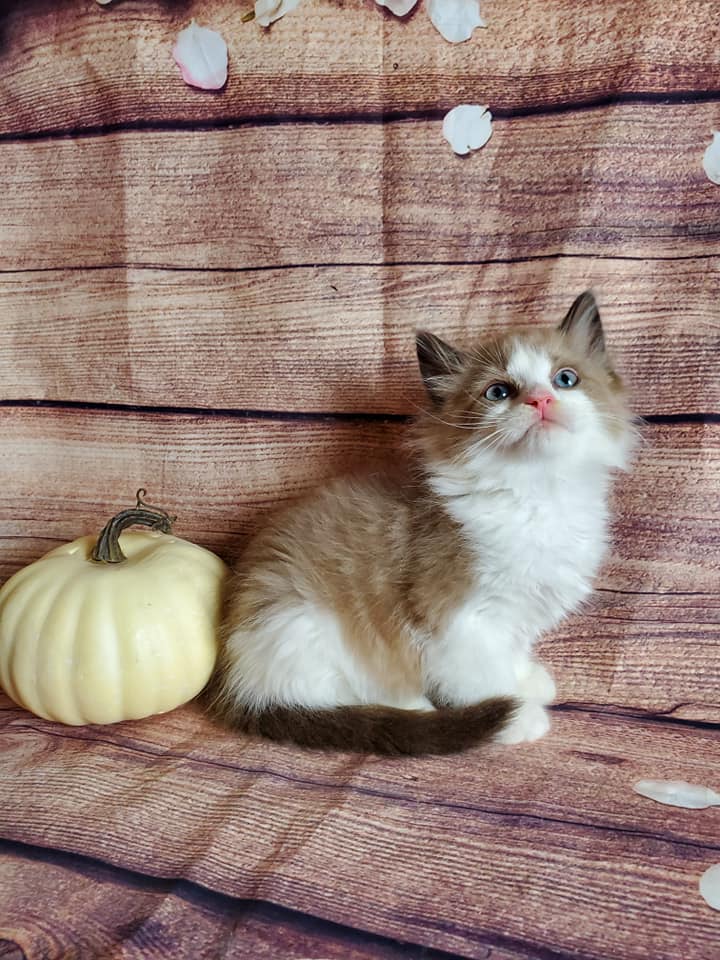
How to recognize pain or discomfort in a Ragdoll cat
Ragdoll cats are known for their gentle nature, relaxed behavior, and close bonds with people. Those same qualities can make illness or injury difficult to spot. A cat may continue seeking affection while quietly coping with pain, so small changes in daily habits deserve attention.
Pain can come from dental disease, arthritis, digestive problems, urinary conditions, injuries, or other health concerns. Learning your Ragdoll’s normal behavior makes it easier to notice when something feels different. Early veterinary care can often prevent a minor problem from becoming more serious.
At Ragdoll Kittens Cattery in Helena, Montana, kittens are raised indoors in a family environment and handled daily. This regular interaction helps caregivers become familiar with normal posture, movement, appetite, and temperament—useful reference points throughout a cat’s life.
Watch for changes in normal behavior
A painful Ragdoll may become quieter, less social, or unusually withdrawn. A cat that normally follows family members may begin hiding under furniture, spending more time alone, or avoiding being picked up. Some cats respond differently and become restless, clingy, irritable, or vocal.
Changes in grooming can also provide an early warning. A cat in discomfort may stop grooming and develop a dull, untidy coat. If pain affects one area, excessive licking or chewing in that location may cause thinning fur or irritated skin. A sudden change in sleep position, facial expression, or tolerance for touch should be taken seriously.
Notice movement and body language
Cats often protect painful areas through posture. Look for a hunched back, lowered head, tense muscles, flattened ears, narrowed eyes, or a tail held unusually close to the body. A Ragdoll that sits rigidly, repeatedly shifts position, or avoids stretching may be uncomfortable.
Difficulty jumping onto a favorite chair, climbing stairs, or entering a litter box can indicate joint pain, weakness, or an injury. Limping may be obvious, but subtle movement changes are common. Slower walking, hesitation before jumping, or using furniture in stages can signal arthritis or another orthopedic issue.
Never assume that a relaxed-looking cat is pain-free. Ragdolls can remain calm and quiet even when unwell. Compare current movement with your cat’s usual habits rather than relying on breed stereotypes.
Check eating, drinking, and litter habits
A reduced appetite is one of the clearest signs that something may be wrong. Dental pain can cause a cat to chew on one side, drop food, prefer soft meals, or approach food and then walk away. Nausea, abdominal discomfort, infection, and other medical conditions can also reduce interest in eating.
Changes in water intake or urination require close attention. Frequent trips to the litter box, straining, crying while urinating, blood in the urine, or producing little urine can point to a urinary emergency, particularly in male cats. Diarrhea, constipation, vomiting, or avoiding the litter box may also reflect pain or illness.
Record when the change began and how often it occurs. Details about food, water, bowel movements, urine, and activity can help a veterinarian identify patterns more quickly.
Compare common warning signs
The same outward behavior can have several possible causes. A symptom guide can help you decide how urgently to seek veterinary advice, but it cannot replace a physical examination.
| Sign or behavior | Possible concern | Appropriate response |
|---|---|---|
| Hiding, irritability, or unusual vocalizing | Pain, fever, stress, or illness | Contact your veterinarian if the change persists or appears suddenly |
| Limping or avoiding jumps | Injury, arthritis, or paw pain | Restrict strenuous activity and arrange an examination |
| Dropping food or pawing at the mouth | Dental disease or oral injury | Schedule prompt veterinary care |
| Repeated litter-box visits or straining | Urinary inflammation, stones, or blockage | Seek emergency care, especially if little or no urine passes |
| Rapid breathing, open-mouth breathing, or collapse | Severe distress, heart, lung, or circulation problem | Go to an emergency veterinary hospital immediately |
Look for facial and physical clues
A cat in pain may have a tense face, enlarged pupils, flattened whiskers, or ears turned sideways or backward. Some cats avoid eye contact, blink less, or keep their eyes partly closed. Swelling, wounds, discharge, a sensitive abdomen, or a new lump also warrants professional attention.
Breathing deserves special consideration. Rapid or labored breathing while resting, repeated coughing, pale or bluish gums, weakness, or collapse should be treated as urgent. Ragdoll owners should maintain routine veterinary care because breed-related health monitoring can help identify problems before visible symptoms become advanced.
Do not give human pain medication. Drugs such as acetaminophen, ibuprofen, and aspirin can be dangerous or fatal to cats. Keep the cat quiet, avoid pressing on a painful area, and call a veterinarian for safe instructions.
Build a simple daily wellness routine
A brief daily check is easier when it becomes part of normal care. Observe your cat before touching them, then gently note posture, walking, appetite, grooming, breathing, and litter-box use. Avoid forcing an examination if the cat is frightened or appears painful.
These habits can make subtle discomfort easier to identify:
- Learn your cat’s normal appetite, activity level, sleep pattern, and preferred resting places.
- Check for changes in gait, jumping, grooming, facial expression, and tolerance for handling.
- Weigh your cat regularly with a suitable pet scale and record unexplained weight loss.
- Keep fresh water, clean litter boxes, and a calm indoor environment available.
- Save a short video of unusual breathing, limping, or behavior for the veterinarian.
A cat that stops eating, cannot urinate, has trouble breathing, collapses, or shows severe pain needs immediate veterinary attention. For less dramatic changes, contact the clinic promptly rather than waiting several days to see whether the problem disappears.
Healthy Ragdoll care begins with attentive observation, preventive examinations, and appropriate screening. At a responsible TICA-registered cattery, health testing and careful socialization support a strong start, while ongoing veterinary care protects that wellbeing as kittens mature. Use your familiarity with your Ragdoll to recognize changes early, document what you see, and arrange professional help when discomfort may be present.