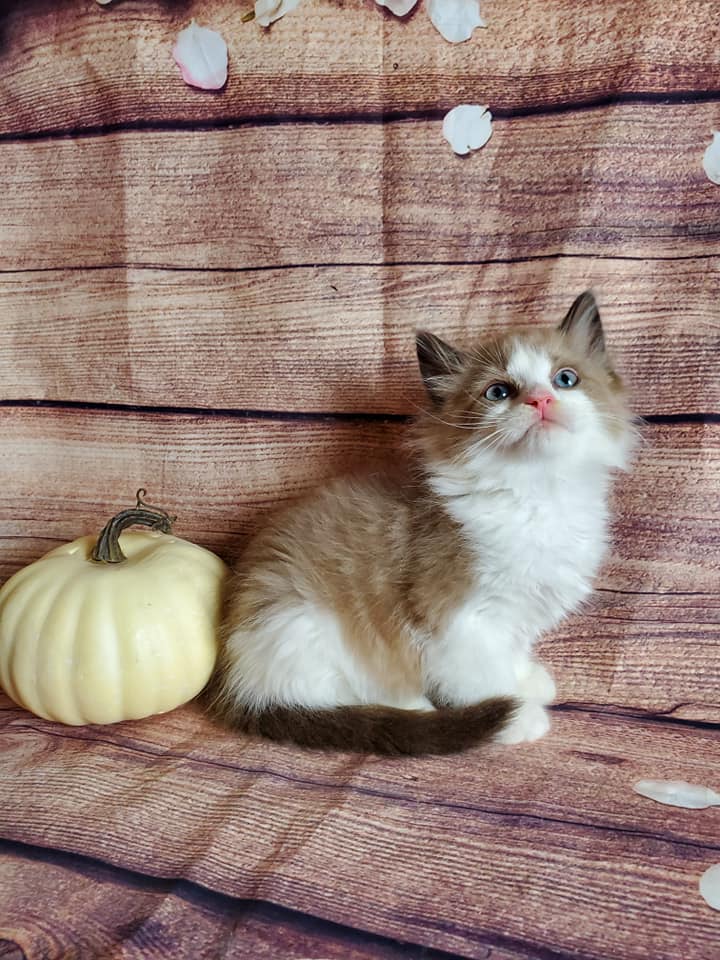
How to Recognize When Your Ragdoll Kitten Is Ready for a New Home
Bringing a Ragdoll kitten home is an exciting step, but readiness involves more than reaching a particular age. A healthy kitten should be physically prepared for the move, emotionally comfortable with people, and able to manage basic daily routines without constant help.
For most well-run breeding programmes, kittens leave at around 12 to 14 weeks. This extra time allows them to develop social skills, complete important veterinary care, and gain confidence away from their mother and littermates.
Families in Australia may also need to plan for longer travel, warm weather, airline requirements, and state-based pet regulations. A kitten travelling from a cattery in Montana to Sydney, Melbourne, Brisbane, Perth, or another Australian destination may face strict import and biosecurity procedures that must be arranged well in advance.
Learning about the Ragdoll breed can help prospective owners understand the breed’s gentle temperament, growth pattern, colour development, and need for companionship before choosing a kitten.
Age And Physical Development
Age is one of the clearest indicators of kitten readiness, but it should be considered alongside health and development. A Ragdoll kitten that is technically old enough may still benefit from additional time if it is small, nervous, slow to gain weight, or not fully settled into household routines.
By 12 to 14 weeks, most kittens should be confidently eating solid food, drinking water, using a litter tray, and maintaining a steady growth pattern. Ragdolls mature slowly, so their large adult size should not be used as a reason to rush the transition.
A responsible breeder will monitor weight, appetite, stools, activity levels, and behaviour. The kitten should appear bright and alert, with clear eyes, a clean nose, a healthy coat, and no persistent coughing, diarrhoea, sneezing, or lethargy.
Veterinary Care And Health Records
A kitten ready for adoption should have received age-appropriate vaccinations and routine parasite treatment. The exact schedule can vary according to veterinary advice, the kitten’s age, and the destination country. Australian owners should check requirements with the Department of Agriculture, Fisheries and Forestry because importing a cat from overseas may involve permits, testing, approved transport, and quarantine.
Health screening is especially important for a pedigree kitten. The cattery should be able to explain its approach to screening for conditions such as hypertrophic cardiomyopathy, FIV, FeLV, and feline heartworm disease. Ask for written records rather than relying on a verbal assurance.
Before travel, confirm which documents will accompany the kitten. These may include vaccination certificates, veterinary examination results, microchip information, registration details, a desexing agreement if applicable, and feeding instructions. A local Australian vet can review the records after arrival and advise on the next vaccination appointment.
Behavioural Signs Of Readiness
A socially prepared kitten does not need to be fearless, but it should recover reasonably quickly from ordinary household activity. Daily gentle handling helps kittens become familiar with being touched around the paws, ears, mouth, tail, and body, which makes grooming and veterinary examinations easier later.
Look for a kitten that shows curiosity, plays with littermates, responds to people, and can settle after excitement. Some shyness in a new setting is normal. Persistent hiding, extreme panic, or refusal to eat should be discussed with the breeder before any move is arranged.
| Readiness Area | Healthy Sign | Reason To Wait Or Seek Advice |
|---|---|---|
| Eating | Regular solid meals and water intake | Poor appetite or difficulty chewing |
| Litter habits | Uses the tray consistently | Ongoing accidents or diarrhoea |
| Social behaviour | Plays, explores, and accepts gentle handling | Persistent fear or withdrawal |
| Health | Bright eyes, clean coat, steady growth | Coughing, discharge, lethargy, or weight loss |
| Travel preparation | Vet records and identification are complete | Missing documents or unclear import requirements |
For Australian homes, the journey itself deserves attention. A flight during a heatwave, a long road trip from regional Queensland, or a transfer through a busy airport can be stressful. Choose temperature-conscious transport arrangements and allow a quiet recovery space at the destination.
A Simple Readiness Checklist
Use these practical signs when discussing a kitten’s progress with the breeder:
- Eats solid food confidently and maintains a healthy weight
- Uses the litter tray reliably
- Accepts normal household handling and gentle grooming
- Has current veterinary records and identification
The breeder should also be willing to share details about the kitten’s routine, personality, diet, and litter habits. This information helps an Australian family prepare the same food, litter type, bedding, and quiet spaces during the first few days.
Before the kitten travels, confirm these arrangements:
- An airline-approved carrier with absorbent bedding
- Safe transport during Australia’s hot summer months
- A quiet room away from other pets and children
- A veterinary appointment soon after arrival
For interstate owners, check council registration and microchip rules in your state or territory. Requirements can differ between New South Wales, Victoria, Queensland, Western Australia, South Australia, Tasmania, and the territories.
Settling Into A New Australian Home
Even a well-socialised kitten may be tired or quiet after moving. Set up one small room with food, water, a litter tray, scratching surface, hiding place, and comfortable bedding. Let the kitten explore gradually rather than giving immediate access to the entire house.
Ragdolls often enjoy close human company, so calm interaction is useful once the kitten is ready. Sit nearby, speak softly, and offer play with suitable toys. Avoid carrying the kitten constantly or encouraging visitors to handle it during the first day or two.
A practical takeaway is to judge readiness by the whole picture: suitable age, stable health, reliable routines, confident social behaviour, complete paperwork, and a carefully planned journey. When these pieces are in place, a Ragdoll kitten has a much stronger start in its new Australian home.