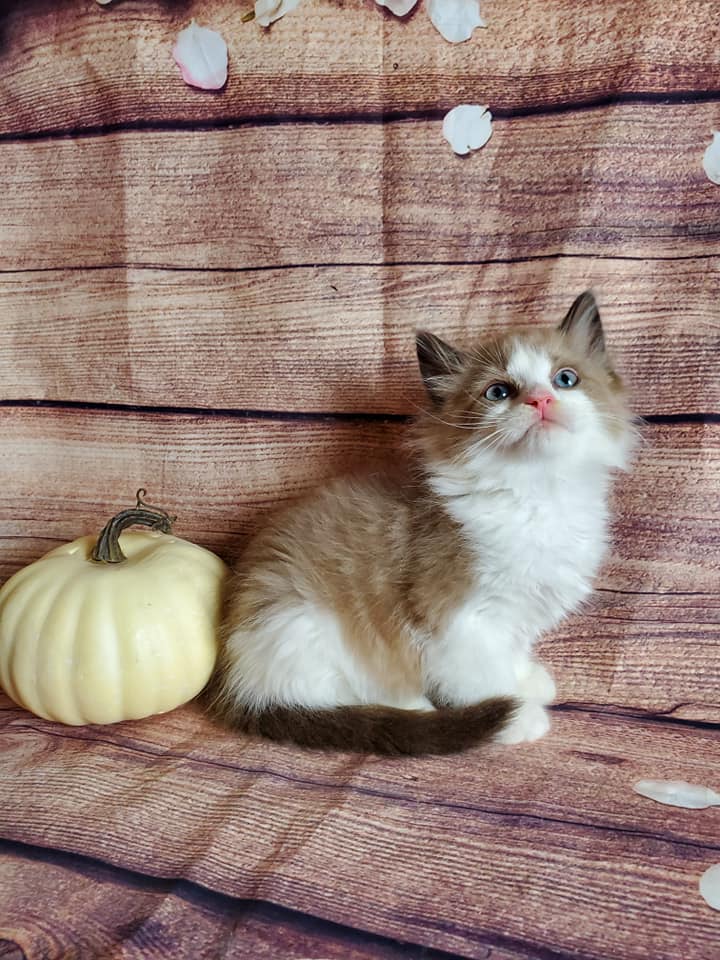
Safely Introducing a Ragdoll Kitten to Your Dog
Bringing a Ragdoll kitten into a home with a dog can be a gentle, rewarding process when introductions are gradual. Ragdolls are generally affectionate, people-oriented cats, yet every kitten has an individual temperament. A friendly breed still needs time to understand a new animal, unfamiliar sounds and the routines of an Australian household.
The dog’s age, prey drive, training history and response to small animals will influence the pace. A calm older Labrador may need fewer steps than an excitable young terrier, while a kitten raised in a busy family environment may adapt differently from one used to a quiet home.
Before the kitten arrives, arrange a separate room, check doors and window screens, and organise a veterinary appointment. Use secure carriers and barriers, keep the dog’s vaccinations current, and ask your local council about microchipping and registration rules, which differ between Australian states and territories.
Understand Both Animals First
Observe how your dog behaves around birds, possums, cats and fast-moving toys. Chasing, stiff posture, intense staring or ignoring recall can indicate that face-to-face meetings should wait. A dog that is gentle with people may still have a strong instinct to pursue a running kitten.
Ragdoll kittens are often sociable and relaxed, but they should never be expected to tolerate rough play. For a realistic view of their behaviour, coat and allergy-related claims, read these Ragdoll breed myths before making assumptions about how your new kitten will respond.
Prepare A Secure Base
Set up a quiet kitten room with food, water, litter, a scratching post, hiding places and elevated resting spots. A baby gate with a cat-sized escape route can help later, but the first room should have a closed door so the kitten can settle without visual pressure.
Keep the dog’s bowls, bed and favourite toys away from this area. Wash bedding from each animal and place it near the other’s resting space for short periods. Scent exchange allows both pets to gather information without the risk of a sudden chase.
In hot parts of Australia, including Brisbane, Perth and inland areas, ensure the room stays cool and well ventilated. Avoid placing the kitten’s safe room beside a busy driveway, barking dog or sun-heated veranda.
Begin With Scent And Sound
For the first few days, keep the animals physically separated. Give the dog attention and exercise as usual, then allow it to sniff beneath the kitten’s door. Reward calm behaviour with a small treat, soft praise or a familiar activity.
Feed both pets on opposite sides of the closed door if they remain relaxed. Gradually move the bowls closer over several meals. This creates a positive association between the other animal’s scent and something enjoyable.
Swap a blanket or soft toy between rooms, provided neither animal guards possessions. If either pet becomes distressed, increase the distance and slow down. A successful introduction is measured by calm recovery, rather than by how quickly the animals share a room.
Make The First Meetings Controlled
When the dog can relax near the closed door, use a transparent barrier or tall baby gate. Keep the dog on a loose lead and allow the kitten to choose whether to approach. Never carry the kitten towards the dog or hold it in place for a closer look.
Keep the first visual sessions brief, perhaps one or two minutes. End while both animals are settled, then repeat several times during the day. A kitten should always have a retreat, high perch or open carrier nearby, while the dog must have enough space to turn away.
Avoid introducing them during peak excitement, after visitors arrive or when the dog has been confined for hours. A short walk in an Australian suburb or a calm training session beforehand may help, though an exhausted dog can become irritable rather than safe.
Use Reward-Based Supervision
Reward the dog for looking away, responding to its name, sitting or lying down. Quietly interrupt staring by calling the dog back, offering a treat or guiding it behind the barrier. Do not punish growling; it is useful communication that signals discomfort or excessive pressure.
The kitten’s signals matter just as much. Flattened ears, crouching, hissing, rapid tail movement or repeated hiding mean the session should finish. Relaxed posture, normal grooming and curiosity suggest that the kitten can cope, though these signs do not mean unsupervised contact is safe.
Practical Checks Before Each Meeting
Before starting, confirm that:
- The dog has had exercise and a toilet break.
- The kitten has eaten, used the litter tray and has an escape route.
- Gates, doors and carriers are secure.
- Children and visitors are not adding excitement.
During the session, watch for:
- Loose, wiggly movement rather than stiffness.
- A dog that can respond to its name.
- A kitten that can retreat without being followed.
- Calm pauses and easy breathing from both animals.
Build A Predictable Shared Routine
Once barrier sessions are consistently calm, allow brief contact with the dog on lead. Keep the kitten free to move away, and maintain close supervision. A second adult can make this easier, especially in a larger home in Sydney, Melbourne or Adelaide where there may be several rooms and distractions.
Increase freedom gradually, starting with a few minutes and adding time over several days. Continue separating the pets when nobody is home, during meals and whenever the dog becomes overexcited. Food bowls, litter trays and high resting areas should remain available without competition.
A simple daily pattern helps: the dog receives exercise, the kitten has play and rest, and shared sessions happen when both are settled. Do not allow chasing, wrestling or cornering to become a game, even if the kitten appears curious at first.
Know When To Pause Or Get Help
Progress can move backwards after a house move, a noisy storm, illness or a change in routine. Separate the animals and return to the last calm stage if the dog lunges, snaps, fixates or cannot respond to cues, or if the kitten stops eating and using its litter tray normally.
| Situation | Safer response |
|---|---|
| Calm sniffing through a gate | Continue short, rewarded sessions |
| Dog stares but responds to its name | Increase distance and practise focus exercises |
| Kitten hisses and hides briefly | End the session and offer quiet recovery |
| Chasing, lunging or snapping | Separate immediately and seek qualified help |
| Ongoing fear, appetite loss or toileting changes | Contact a veterinarian |
A veterinary behaviourist or reward-based trainer can help with serious prey-drive concerns. Australian owners should also follow state and council requirements for identification, registration and responsible animal control. Safe management remains essential even when the pets seem to become friends.
The goal is peaceful coexistence, not forced closeness. A Ragdoll kitten and a dog are most likely to develop trust when each has control over distance, predictable routines and plenty of supervised positive experiences. What the reader should remember is simple: go slowly, prevent chasing, provide escape options and judge progress by calm behaviour rather than speed.