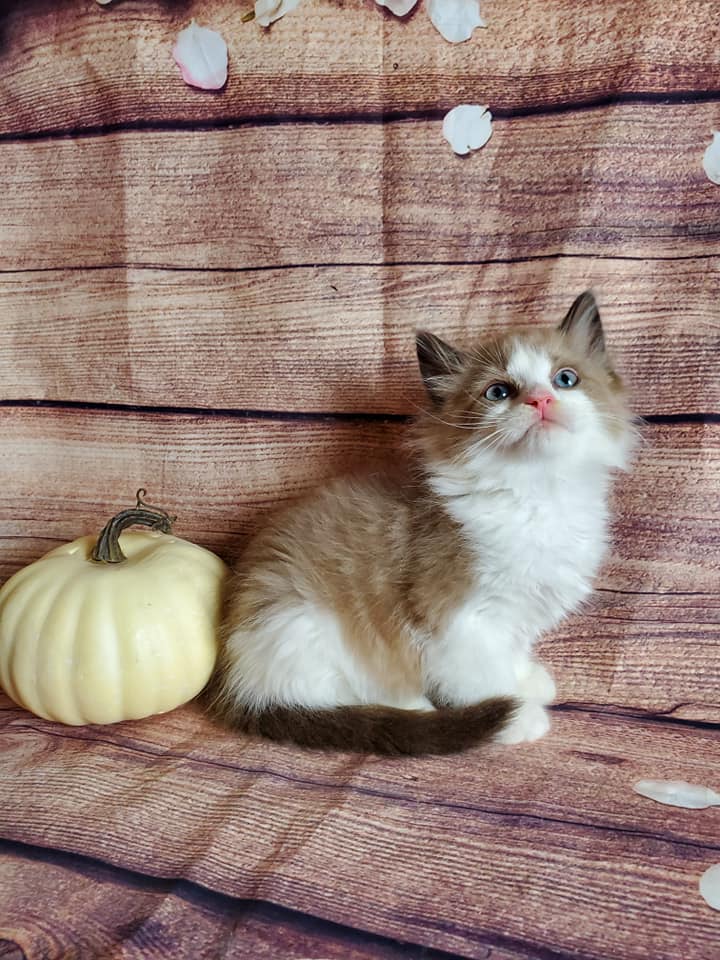
Feeding Ragdoll Kittens Through Their Growth Spurts
Ragdoll kittens grow steadily, but their large adult frame means their nutritional needs can change quickly. A reliable routine supports healthy bones, muscle development, digestion and the calm temperament for which the breed is known.
To set up a feeding schedule that matches a Ragdoll kitten’s growth spurts, use age, body condition and appetite together rather than following a fixed portion forever. Regular weighing and small adjustments are safer than suddenly increasing meals when a kitten appears hungrier.
Growth Stages And Portion Changes
Young Ragdolls need frequent meals because their stomachs are small and their energy demands are high. Use the breeder’s current food and feeding amounts during the first days at home, then make changes gradually over about a week to reduce the risk of diarrhoea or food refusal.
| Kitten age | Usual meal pattern | Main focus |
|---|---|---|
| 8–12 weeks | 4 small meals daily | Familiar food, hydration and steady intake |
| 3–6 months | 3–4 meals daily | Increased portions during rapid growth |
| 6–12 months | 3 meals daily | Monitor body condition as growth slows |
| 12 months and older | 2–3 meals daily | Transition towards an adult maintenance diet |
A kitchen scale is more useful than guessing by eye. Weigh the kitten once or twice weekly at the same time of day, and record food intake, stools and energy. A brief appetite surge can be normal, while ongoing weight loss, vomiting or lethargy needs veterinary attention.
A Simple Daily Feeding Pattern
Divide the daily allowance into measured portions rather than leaving a full bowl available. For example, breakfast, midday, afternoon and evening meals suit many kittens under six months. Ragdolls can be relaxed and slow-moving, so free-feeding may encourage excess weight in some individuals.
Wet food can provide moisture and is often useful in warm Australian homes, while a complete kitten dry food can be offered in measured quantities. Fresh water should be available in several quiet places, away from litter trays. In Sydney or Melbourne apartments, a wide ceramic bowl or circulating fountain may help a kitten drink comfortably.
Keep meal times fairly consistent, but allow modest flexibility for school runs, work shifts and weekends. An automatic feeder can protect the midday meal when nobody is home, provided it is cleaned regularly and cannot dispense unlimited food.
Choosing Food For Healthy Development
Select food labelled complete and balanced for kittens or growth, rather than a complementary treat or adult-only formula. Ragdoll kittens need appropriate protein, fat, essential amino acids, vitamins and minerals for their developing skeleton and substantial muscle mass.
A combination of wet and dry food is practical, but calculate the total daily calories from both. Treats should generally remain a small part of intake, especially during training or socialisation. Avoid cow’s milk, raw bones and sudden diet changes, which can cause digestive upset or nutritional imbalance.
Ask the breeder which brand and recipe the kitten has been eating. A small cattery that raises kittens indoors in a family environment can provide useful information about appetite, litter habits and individual preferences. Families considering Ragdoll kittens available should also ask for health records and feeding instructions before bringing a kitten home.
Reading Hunger And Satiety Signals
A healthy kitten is bright, playful and gradually gaining weight. It may finish a meal quickly during a growth phase, but that does not automatically mean the bowl should be refilled. Offer the planned portion, wait several minutes and remove leftovers that could spoil.
Ribs should be easy to feel under a light covering, while the abdomen should not look swollen or sharply tucked. A growing kitten can look lean without being underfed. Conversely, a soft waist, difficulty grooming or rapid weight gain suggests that portions need review.
Growth is rarely perfectly linear. A Ragdoll may eat more for several days, then return to its usual intake. Record trends across a week rather than reacting to one hungry meal.
Adjustments For Australian Homes
Hot weather increases the importance of water and safe food handling. In Brisbane, Perth or inland areas, do not leave wet food sitting out for hours; serve smaller portions and refrigerate opened food promptly. During a heatwave, place water bowls in shaded, well-ventilated rooms and check that the kitten remains active.
Australian pet shops, supermarkets and veterinary clinics stock many kitten formulas, but availability can vary outside major centres such as Brisbane, Sydney and Melbourne. Keep a small reserve of the familiar food and change brands gradually if supply problems occur. Read the feeding directions because calorie density differs between recipes.
Microchipping and registration requirements are set by state and territory law, and owners should check their local council rules after adoption. These legal steps do not replace nutritional monitoring, but a registered veterinary clinic can keep growth records, discuss parasite prevention and advise on desexing-related portion changes.
Practical Feeding Checks
Use these simple habits to keep the routine consistent:
- Weigh food with digital kitchen scales.
- Record weekly body weight and stool quality.
- Wash bowls daily and refresh water often.
- Store dry food sealed and away from heat.
Review the plan whenever the kitten’s routine changes:
- After a move, desexing procedure or illness.
- When switching from wet food to a mixed diet.
- If appetite rises or falls for more than a day.
- When the kitten approaches six and twelve months.
A written feeding chart on the refrigerator helps every household member give the same portions. It also makes it easier for a vet to distinguish a genuine growth spurt from overfeeding, stress or illness.
When A Vet Should Review The Plan
Contact a veterinarian promptly for repeated vomiting, diarrhoea, refusal of food, marked lethargy, a swollen abdomen or failure to gain weight. Kittens can become dehydrated quickly, particularly during hot Australian weather. If a home veterinary visit is followed by a serious deterioration, keep hospitalisation guidance available and follow the attending veterinarian’s instructions.
Health screening also matters when selecting a kitten. Ask what testing has been completed for conditions such as hypertrophic cardiomyopathy, FIV, FeLV and feline heartworm disease, and request copies of relevant records. Feeding cannot correct an undiagnosed medical problem, so unusual growth or appetite changes deserve professional assessment.
For the next seven days, weigh each meal, record the kitten’s daily intake and body weight, and take that log to the first veterinary check.