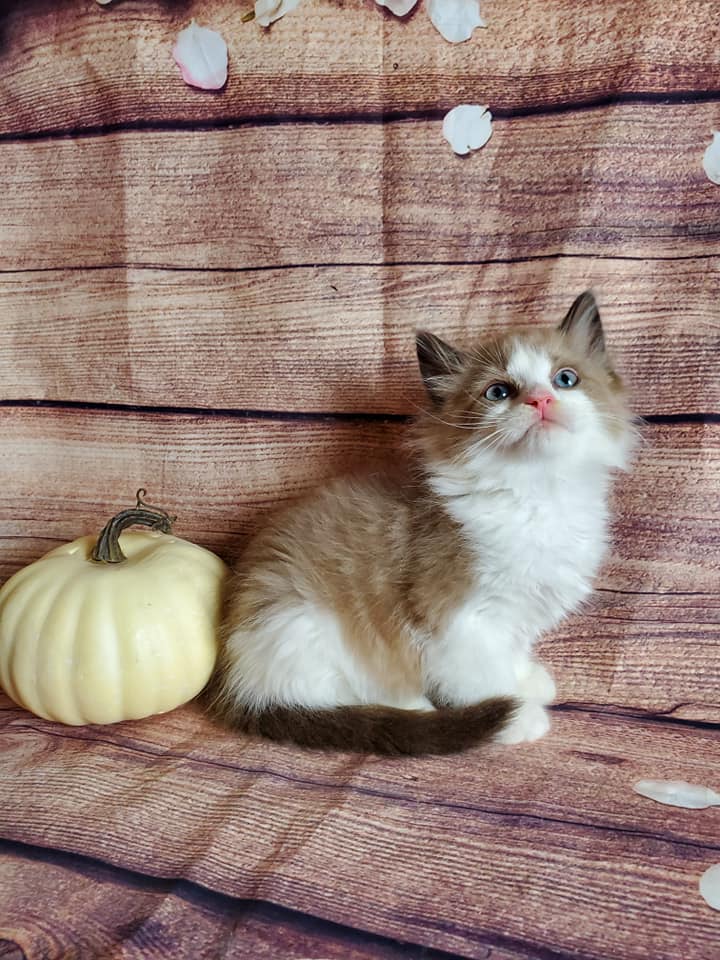
How to Set Up a Safe Room for Your Ragdoll Kitten
Bringing a Ragdoll kitten home is easier when the first few days take place in one calm, carefully prepared room. A smaller space helps your kitten learn where to eat, sleep, play, and use the litter tray before being introduced to the rest of the house.
This matters in Australian homes, where open-plan living areas, balconies, ceiling fans, hot weather, and inquisitive pets can create risks for a young cat. A dedicated kitten room gives your new companion a secure beginning while you build trust at a comfortable pace.
Choose the Safest Room
Select a quiet room with a door that closes securely, such as a spare bedroom, study, or laundry. Avoid placing the kitten straight into a busy kitchen or family room, particularly if your household includes children, dogs, or frequent visitors. A room away from loud televisions and constant foot traffic gives a Ragdoll time to adjust.
Check the room from a kitten’s point of view. Look for gaps behind wardrobes, under appliances, and inside cupboards. Block narrow spaces with storage boxes or rolled towels, but leave enough room for you to reach the kitten easily. In a rental property, use removable barriers where possible and check any strata or landlord rules before installing permanent screens.
Windows need careful attention. A flyscreen is not automatically strong enough to prevent a determined kitten from pushing through, especially on an upper level. Keep windows closed or fit secure pet-grade screening, and never allow access to an open balcony until it has been fully enclosed.
Remove Household Hazards
Electrical cords, phone chargers, curtain pulls, and blind cords can all become chew toys. Bundle cables inside protective tubing, shorten dangling cords, and tie curtain fittings out of reach. Secure tall bookshelves, lamps, and lightweight furniture so climbing or sudden pouncing cannot bring them down.
Remove medications, cleaning products, essential oils, sewing supplies, rubber bands, and small toys. Some common Australian houseplants, including lilies, can cause severe poisoning in cats. Keep plants out of the room until you have checked their safety with your veterinarian, and inspect the floor after unpacking boxes for staples, tape, or plastic.
Doors and drawers should latch properly. A kitten can squeeze through a surprisingly small opening, so keep washing machines, dryers, cupboards, and toilets closed. This is particularly important in a laundry, where detergent capsules and warm appliances pose serious dangers.
Create A Comfortable Base
Set up a washable bed or soft blanket in a quiet corner, away from the litter tray. Ragdolls often enjoy company, so the room should allow you to sit on the floor and spend relaxed time nearby. A cardboard box or covered cat bed provides a private retreat without making the kitten feel trapped.
Use sturdy, low-sided food and water bowls that are easy to clean. Keep water separate from food and place both well away from the litter area. A ceramic or stainless-steel bowl is usually simpler to keep fresh than a lightweight plastic one that may slide across the floor.
If the kitten arrives with a familiar blanket or toy, place it in the room to carry a reassuring scent from the cattery. The small Helena, Montana hobby cattery behind your Ragdoll may provide guidance about the kitten’s existing routine, so keeping meals, litter, and sleep habits familiar can reduce unnecessary stress.
Manage Heat, Air, And Noise
Australian temperatures can rise quickly, particularly in Brisbane, Perth, and inland parts of New South Wales. Keep the room shaded and well ventilated, but prevent direct hot air from a heater or air conditioner blowing onto the kitten. A cool ceramic tile, fresh water, and reliable indoor temperature control are useful during a heatwave.
Ceiling fans should be switched off or positioned so the kitten cannot reach the pull cords. Check that portable heaters have stable guards and cannot be knocked over. During bushfire smoke or very hot weather, keep windows shut and use filtered indoor air rather than exposing the kitten to poor outdoor air quality.
Normal household sounds help a kitten become confident, but avoid sudden bangs and prolonged noise at first. Let children know that quiet voices and slow movements are part of the settling-in routine. A short, calm visit is better than a crowd gathered around the carrier.
Prepare Food, Litter, And Enrichment
Use the food recommended by the breeder initially, then discuss any change with your vet. Feed measured meals on a consistent schedule and watch for reduced appetite, diarrhoea, or unusual tiredness. Arrange an initial appointment with an Australian veterinary clinic to review vaccinations, parasite prevention, microchip details, and ongoing health care.
Provide at least one generous litter tray in the safe room, filled with the same type of litter the kitten already knows if possible. Scoop it regularly and keep it away from food. Unscented litter is often less irritating, and a low entrance helps a young kitten use the tray without difficulty.
Offer a scratching post, a few safe toys, and a low climbing option. Rotate toys rather than leaving everything out at once; these play rotation ideas can help maintain interest without overwhelming your kitten. Avoid toys with loose feathers, strings, bells, or detachable parts when you are not supervising.
Introduce The Rest Of The Home Slowly
Keep the kitten in the prepared room until eating, drinking, toileting, and resting normally. Confidence matters more than a fixed timetable. Some kittens are ready to explore after a few days, while others need a week or longer, especially after a long journey to a new home.
When the time comes, open one additional area at a time and keep the safe room available as a retreat. Shut doors to garages, workshops, bathrooms, and rooms with unsecured cords. Introduce other pets through scent swapping and controlled meetings rather than placing them together immediately.
Ragdolls are known for their affectionate, people-oriented nature, but each kitten has a distinct temperament. A therapy prospect may enjoy gentle interaction, while another may prefer longer quiet periods. Follow the kitten’s body language: relaxed posture, play, grooming, and normal eating suggest comfort; hiding, hissing, flattened ears, or repeated frantic attempts to escape suggest that access has expanded too quickly.
Check Every Detail Before Arrival
Use this quick comparison while preparing the room and later deciding whether your kitten is ready for more space:
| Area | Ready For Arrival | Ready For Wider Access |
|---|---|---|
| Windows | Closed or secured with strong screens | Open only with verified pet-safe protection |
| Cords and blinds | Bundled, covered, or removed | Still inaccessible in every new room |
| Litter | Familiar tray and litter placed away from food | Extra trays added around the home |
| Other pets | Separated behind a closed door | Short, supervised introductions |
| Temperature | Shaded, stable, and free from hot drafts | Cooling and heating checked throughout the house |
| Enrichment | Scratcher, safe toys, bed, and hiding place | Climbing areas and additional toys inspected |
Before the carrier arrives, sit in the room and inspect every surface, corner, cable, and opening at floor level. Place the carrier beside the bed, set out the familiar food and litter, close the door, and complete that final floor-level check before bringing your Ragdoll kitten inside.