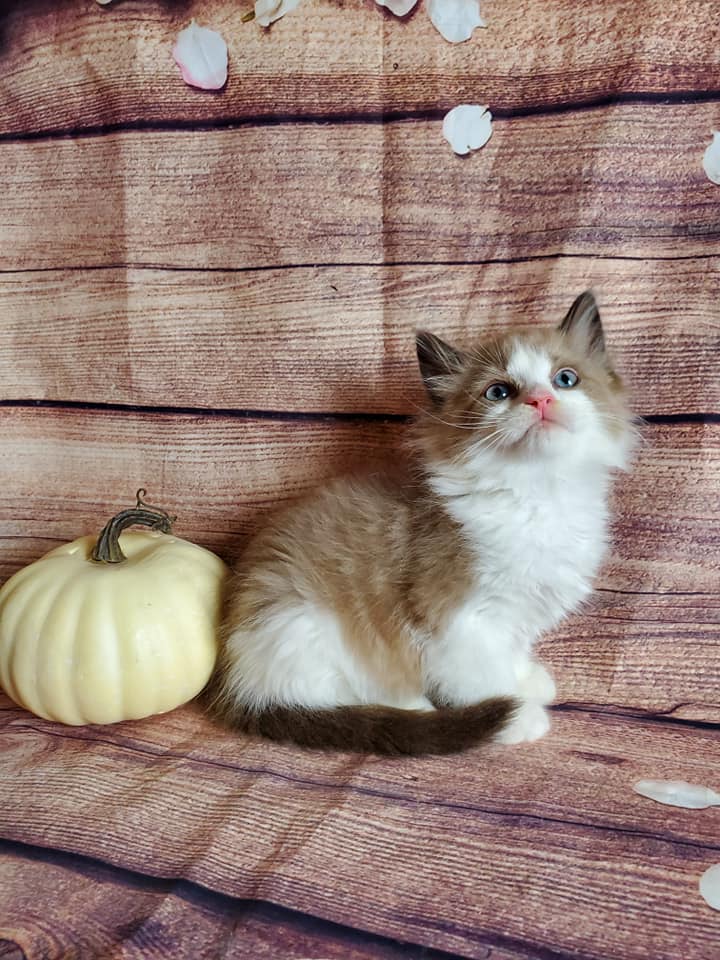
How to Show Your Ragdoll in Helena Events
Ragdolls are often presented as relaxed show cats, but a calm temperament alone does not create a competitive entry. A convincing blue-eyed colourpoint, healthy coat, even condition and familiar handling all influence how a Ragdoll is judged. Start by identifying the type of Helena event and its rules, then prepare the cat gradually rather than treating the day as a first trip to a strange venue.
A formal cat show, pet expo and adoption fundraiser offer very different opportunities. Listings can also use “Helena” loosely, so check whether the venue is in Helena, Montana, or the small Tasmanian locality with the same name. Confirmation prevents a family from buying a show cage and travelling with a cat only to arrive at an event that accepts no pedigrees or awards no classes.
Australian exhibitors should expect a different show network from Montana. Formal shows are commonly linked with The Cat Fanciers’ Association of Australia or state feline clubs, while major public fixtures such as Melbourne’s Royal Show, Sydney’s Royal Easter Show and Brisbane’s Ekka may include companion-animal areas without running judged cat classes. For an overseas trip, destination, airline, biosecurity and export paperwork all matter.
Identify the kind of Helena event
A TICA-affiliated cat show normally includes recognised breed classes, written judging feedback, placement ribbons and championship or title points. An independent all-breed show may use different registration requirements, while a pet expo or fundraiser generally focuses on public education and responsible adoption rather than competitive judging.
Ask the organiser for the current show rules, catalogue, entry deadlines, venue address, judging schedule and emergency procedure. Confirm whether handlers may stay, whether grooming is permitted beforehand and whether retired or adopted cats remain eligible for titles. The quickest way to distinguish the options is:
| Helena listing | What it usually involves | Main benefit | Check before entering |
|---|---|---|---|
| TICA-affiliated cat show | Judged breed and household-pet classes | Ribbons, critiques and title points | Sanctioning body, classes and nomination deadlines |
| All-breed club show | Judged classes under another feline organisation | Breed feedback alongside other pedigrees | Whether TICA records are accepted |
| Pet expo | Public display, demonstrations or sales | Visibility and direct contact with families | Whether the cat will be handled or sold there |
| Adoption fundraiser | Rescue, rehoming or responsible-breeding awareness | Support for community pets | Purpose, welfare conditions and proof of ownership |
Check registration, classes, and deadlines
Registration normally starts with TICA membership and the required proof of ancestry, cattery or kitten registration, and ownership details. If the Ragdoll will live with a show household rather than the breeder, complete any permitted ownership transfer first. Australian exhibitors often say they will “book the cat in”, but informal arrangements do not replace the catalogue deadline or a receipt for fees.
Choose classes from the current TICA Ragdoll standard, checking accepted patterns, points, eye colour and age divisions before naming the cat. Kittens, adults and household pets should be entered in their correct categories rather than whichever class appears to have fewer competitors. Helena entry fees may be charged in US dollars, so Australian exhibitors should also check exchange-rate and card charges. In Australia, buyers commonly ask for TFCAA or state-club records alongside vaccination documentation; these should not be confused with a TICA registration.
Confirm health and show readiness
Ragdoll Kittens Cattery is a small, TICA-registered hobby cattery in Helena, Montana, specialising in purebred Ragdolls. Its kittens live indoors in a cage-free family environment and receive daily handling for socialisation. Health testing includes HCM, feline immunodeficiency virus, feline leukaemia virus and feline heartworm disease, providing prospective owners and exhibitors with documented information rather than assumptions about inherited risk.
A show cat should have current veterinary clearance, appropriate vaccinations and a stable weight and coat condition. Screening reduces risk but does not replace routine care. Keep nails short, remove mats, clean the ears and avoid cosmetic products that could irritate the skin or obscure markings. Do not fast the cat unless a veterinarian has specifically instructed you, and bring its usual food, water, bedding and identification in case the return journey takes longer than expected.
Plan travel, settling, and safe handling
Use a secure carrier that the cat already knows, or allow several weeks of gradual practice before the event. Line it with an absorbent pad and secure it inside the vehicle without allowing the cat to roam. If travelling from Australia to Montana, obtain official export-health and destination requirements well in advance; an air ticket and show entry do not cover biosecurity, documentation or quarantine arrangements.
At the venue, give the Ragdoll time to settle before opening its cage. Keep the carrier away from barking dogs, noisy machinery and direct sunlight, and use a secure harness rather than a loose lead or collar. Australian show terms such as “entries close” describe deadlines clearly, but the same welfare principles apply in Montana: watch the cat continuously, provide water and leave the bench if stress becomes persistent.
Present your Ragdoll and capture photos
Judging depends on presentation as well as breed qualities. Position the cat so its ears, eyes, muzzle, coat and tail can be assessed, then follow the steward’s instructions instead of repeatedly rearranging it. A clean, even coat and controlled movement generally present better than an over-restraint. Ask permission before touching another exhibit and keep conversation around the bench low, particularly if the Ragdoll is nervous around unfamiliar people.
For an event photo corner, NADAC tunnel run photos can provide ideas about framing, lighting and action shots. That equipment is designed for dogs, so adapt only the photographic approach and never make a cat run through a tunnel or handle equipment unfamiliar to it.
Use results responsibly and plan ahead
Keep the catalogue, receipt, health records, photographs and judging feedback together. Results can help a breeder understand a cat’s strengths, identify genetic or structural questions for a veterinarian and place future titles accurately. A ribbon is an achievement, but it does not override responsible breeding, transparent ownership records or the lifelong welfare of the cat.
Ragdoll Kittens Cattery offers limited kittens for adoption as companions or therapy cats, along with information about colours, markings, breed traits and the adoption process. Prospective show households should discuss a kitten’s future placement before it enters a show, since ownership, pedigree status and export plans may need to remain consistent. The most useful showing plan keeps the right records, protects the cat’s welfare and gives the handler enough time to make every stage calm, safe and predictable.