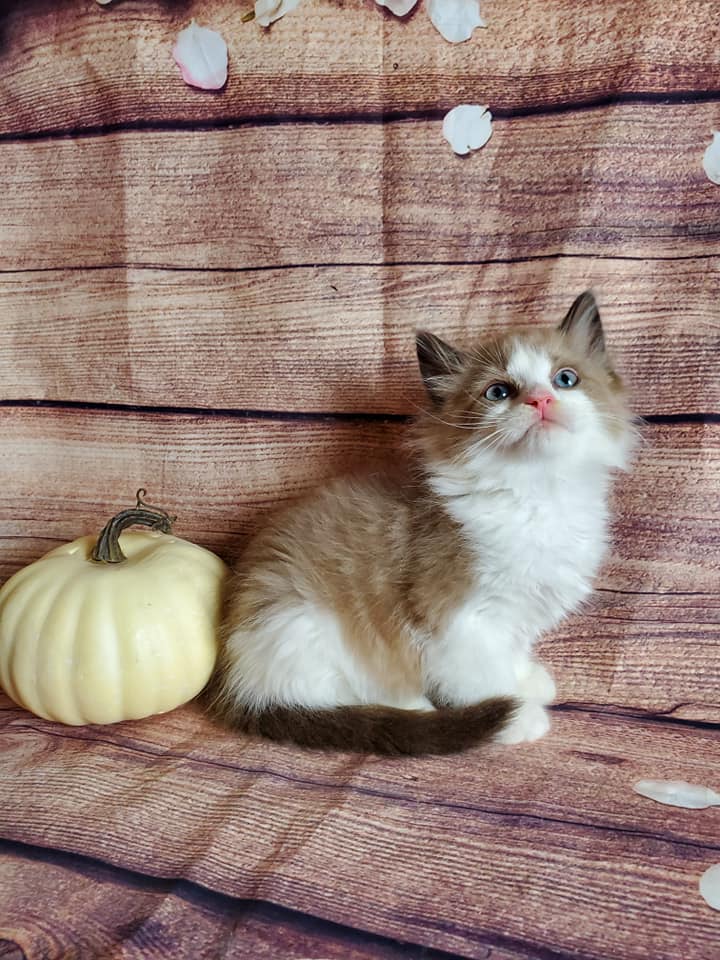
Helping Ragdoll Kittens Thrive Around Children
A Ragdoll kitten can become a gentle, affectionate companion in a lively family home, but calm behaviour develops through thoughtful repetition. Children, visitors, appliances and sudden movement all need to become familiar without making the kitten feel trapped or overwhelmed.
Socialisation is more than encouraging a kitten to be cuddled. It involves teaching the young cat that hands are safe, household sounds are predictable and quiet spaces are always available. Short, positive experiences are far more useful than one long session filled with excitement.
For Australian families, this may mean adapting routines around school runs in Brisbane, apartment living in Melbourne, summer heat in Perth or busy weekends in Sydney. A cage-free, family setting gives kittens valuable early exposure, while their new household must continue that learning at a manageable pace.
| Household situation | Helpful approach | Avoid |
|---|---|---|
| Young children want constant contact | Schedule brief, supervised visits | Carrying or chasing the kitten |
| A noisy home with visitors | Provide a retreat and introduce sounds gradually | Forcing the kitten to remain in the room |
| Rough play begins | Redirect to a wand toy or soft toy | Allowing hands and feet to become toys |
| The kitten hides | Wait quietly and reward voluntary exploration | Pulling the kitten from its hiding place |
| The family has limited time | Use several two-minute sessions each day | Skipping socialisation or overwhelming the kitten |
Create A Calm Home Base
Choose a quiet room or gated section where the kitten has a bed, litter tray, scratching surface, food, water and safe toys. Children should understand that this is the kitten’s private area. A retreat teaches confidence because the kitten can leave an exciting interaction whenever necessary.
Keep the first few days predictable. Feed meals at consistent times, limit visitors and let the kitten investigate one part of the home before accessing everything. Ragdolls often enjoy company, yet an outgoing breed still needs uninterrupted sleep and a place away from loud play.
A tall cat tree, covered bed or sturdy shelf can provide safe distance from toddlers and dogs. Check window screens carefully, especially in warm Australian homes where open windows and balconies can create serious escape risks.
Teach Children Gentle Contact
Show children how to sit on the floor and allow the kitten to approach. They can offer a relaxed hand for sniffing, stroke from the shoulders towards the back and stop when the kitten turns away, flicks its tail or becomes tense. Young children should always be seated rather than carrying the kitten.
Explain that ears, whiskers, paws and tails are sensitive. A child can help with socialisation by rolling a ball, moving a feather toy or offering a treat under adult supervision. This creates a positive association with children without making physical handling the centre of every interaction.
Keep play sessions short and finish while the kitten is still relaxed. If a child becomes noisy or overexcited, calmly move the kitten to its safe area instead of scolding either one. This protects trust and gives the child a clear, practical role.
Add Household Sounds Gradually
Everyday noises can be introduced at low intensity: a television in another room, a hairdryer used briefly, cupboard doors closing or children laughing during play. Pair unfamiliar sounds with food, gentle praise or a favourite toy. Increase volume and duration only when the kitten remains comfortable.
Do not deliberately frighten a kitten to make it “get used to” noise. A vacuum cleaner can stay switched off while the kitten observes from a distance, followed by a brief use in another room. Several calm repetitions build resilience more effectively than sudden exposure.
Include different people and routines over time. A kitten might meet grandparents, a babysitter or a family friend before experiencing a larger gathering. During Australian school holidays, keep an escape room available when relatives arrive, particularly in compact homes where noise quickly carries.
Manage Touch, Grooming And Health
Ragdolls have a semi-long coat that benefits from regular gentle grooming. Let children watch an adult brush first, then allow an older child to make a few strokes with a soft brush while the kitten receives treats. Nail checks, mouth checks and brief ear handling should remain adult responsibilities.
Reward cooperation during handling and stop before the kitten struggles. This helps future veterinary visits feel familiar. A reputable breeder should discuss health screening such as HCM, FIV, FeLV and feline heartworm disease, alongside vaccination, parasite control and desexing arrangements.
General pet vaccination information should always be species-specific; guidance about ferret vaccination needs is not a substitute for advice from an Australian veterinarian treating a cat. Book the kitten’s first appointment soon after arrival and bring its records.
Build A Reliable Family Routine
Create simple household rules: no chasing, no waking the kitten, no grabbing and no play with bare hands. Place wand toys in a basket so children can choose an appropriate activity, while adults supervise interactions with toddlers. Praise quiet behaviour rather than waiting for problems to occur.
An Australian family should also check local council requirements. Cat registration, microchipping and desexing rules vary between states and councils, and rental agreements may have additional conditions. In many areas, keeping a cat indoors is practical for protection from traffic, snakes and disease, provided the home includes climbing spaces, play and daily attention.
When choosing a kitten, ask how it has been raised, which household experiences it has had and what health documentation accompanies it. Families comparing available Ragdoll kittens should look for transparent communication, appropriate socialisation and a clear adoption agreement rather than choosing on colour alone.
Progress may be uneven. A kitten that confidently greets children one day may need solitude after a busy weekend. Keep a short record of what sounds, handling and people were comfortable, then repeat the easiest successful activity tomorrow.
Tonight, set up one child-free retreat and teach every family member the three rules: approach gently, let the kitten choose contact and stop when it moves away.