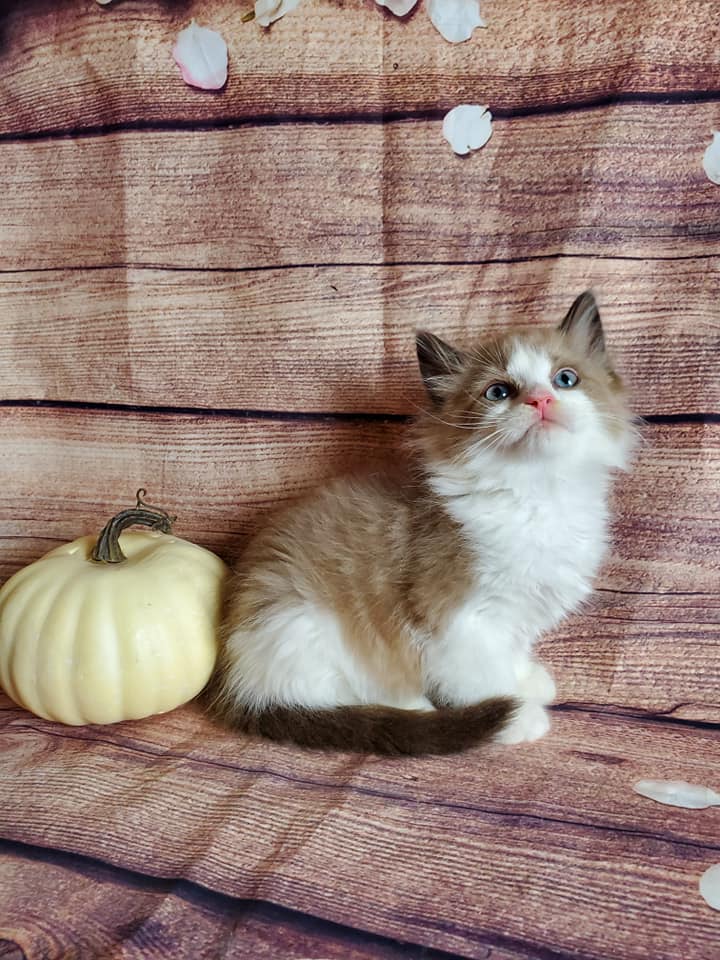
How to Teach a Ragdoll Kitten to Use a Scratching Post Instead of Furniture
Scratching is a normal part of kitten development. It stretches the shoulders, maintains the claws, leaves a scent mark and helps a young Ragdoll feel secure in a new home. The aim is not to stop scratching, but to guide it towards a sturdy, appropriate surface.
Ragdolls are generally gentle, social cats, yet their size and strength make a suitable scratching station essential. With the right placement, daily encouragement and protection for valuable furniture, most kittens can learn the household routine without stress.
Understand Why Your Kitten Scratches
A kitten may scratch after waking, during energetic play or when entering a favourite room. These moments are predictable, so they provide useful opportunities to offer a scratching post before the kitten chooses a sofa arm or rug.
Scratching also marks territory. A post near a doorway, hallway or family living area can be more appealing than one hidden in a laundry. In a Melbourne apartment or a busy Sydney household, placing the scratcher where people spend time can help the kitten feel involved while protecting the décor.
Never punish, shout or spray water when your Ragdoll scratches furniture. Fear can damage trust and may cause the kitten to scratch secretly. Calm redirection teaches a clearer lesson.
Choose A Stable Scratching Post
Select a post tall enough for the kitten to stretch fully, with a broad, weighted base that will not wobble. Sisal rope is usually durable, while corrugated cardboard and tightly woven fabric offer different textures. A vertical tower suits cats that reach upwards; a horizontal pad works better for kittens that scratch carpets.
A small kitten post may be outgrown quickly by a Ragdoll, so consider a full-sized option from the beginning. Australian pet shops and online retailers commonly sell multi-level cat trees, replacement sisal poles and cardboard pads, making it easier to create several scratching zones as your cat matures.
Avoid lightweight products that slide across polished floors. A kitten that is startled by movement may decide the post is unsafe. Use a non-slip mat beneath it, or secure the base against a wall.
Place The Scratcher Strategically
Position the main post beside the furniture your kitten already targets. If the sofa corner is popular, place the post within easy reach rather than across the room. Once the kitten uses it consistently, move it a few centimetres every several days towards its long-term location.
Keep a second scratcher near the sleeping area because many cats scratch immediately after a nap. Another near a balcony door or window can satisfy territorial marking instincts. For homes in Brisbane or Perth, keep indoor scratching stations away from damp areas where sisal may become musty.
When bringing home a kitten from a family-raised cattery, ask about the textures and scratching surfaces it has already encountered. Familiar materials can make the transition easier. A cattery contact page can also provide useful background about early handling and household routines.
Make The Post More Appealing
Gently drag a toy up the post, or place a favourite wand toy beside it, to encourage investigation. You can also rub a small amount of catnip alternative or silvervine on the surface if your kitten responds to it. Many very young kittens show little interest in catnip, so movement and placement are often more effective.
When the kitten places its paws on the post, offer quiet praise and a tiny treat. Reward the behaviour immediately, while the connection is clear. A relaxed voice and brief play session can be just as motivating as food for a social Ragdoll.
Do not force the kitten’s paws against the scratching material. This can make the post unpleasant and may lead to defensive behaviour. Let the kitten discover the surface naturally through play and exploration.
Protect Furniture While Training
Cover a targeted sofa arm with a throw, temporary furniture protector or double-sided pet-safe tape. Cats generally dislike sticky textures, while the cover prevents loose threads from becoming tempting. Keep the approved scratcher directly beside the protected area.
Trim the sharp tips of the claws every couple of weeks if your kitten accepts handling. Use proper cat nail clippers and remove only the transparent tip, avoiding the pink quick. Daily gentle handling of paws, ears and coat can make grooming easier as the Ragdoll grows.
In Australian rental properties, preventing damage early is especially practical because tenancy rules and pet permissions vary between states, landlords and strata schemes. Check the relevant agreement, and use freestanding scratchers that do not require wall fixtures where alterations are restricted.
Training Habits That Work
Short, frequent practice is more successful than a single long session. Offer the scratcher after naps, before meals and during evening play, then reward any investigation or use. Keep the atmosphere calm, since a kitten that feels pressured may avoid the station.
Use these simple habits every day:
- Place a scratcher beside each frequently used sleeping area.
- Reward scratching within a few seconds.
- Replace worn cardboard before it becomes unstable.
- Rotate toys around the post to maintain interest.
Avoid common setbacks with these reminders:
- Do not move the only scratcher too soon.
- Do not punish furniture scratching.
- Do not rely on one texture for every cat.
- Do not use essential oils, which may be unsafe for cats.
Consistency matters more than perfection. If the kitten scratches the sofa once, redirect it gently and continue rewarding the preferred choice.
Compare Scratching Options
Different surfaces suit different scratching styles. Offering two or three types helps reveal whether your kitten prefers stretching vertically, scratching from the floor or shredding a textured material.
| Scratching option | Best for | Advantages | Watch-outs |
|---|---|---|---|
| Tall sisal post | Full-body stretching | Durable and satisfying | Must have a heavy base |
| Cardboard pad | Horizontal scratching | Affordable and easy to replace | Creates loose scraps |
| Cat tree pole | Climbing and scratching | Combines exercise with marking | Needs regular stability checks |
| Flat fabric mat | Low, floor-level scratching | Suits cautious kittens | Can be confused with rugs |
Inspect the equipment regularly, especially as a Ragdoll becomes larger and more active. Replace frayed rope, crushed cardboard or unstable towers promptly. In the Australian market, replacement parts can be easier to source for common modular cat-tree brands than for unusual imported designs.
Keep The Good Habit
As your kitten grows, leave the favourite scratching posts in familiar locations and add one near any new furniture that attracts attention. Reward occasional use throughout adolescence, when energy levels and territorial behaviour can change.
A Ragdoll that has several reliable outlets is less likely to practise on household furnishings. The practical routine is simple: provide a stable scratcher, place it where scratching already happens, redirect without punishment and reward the behaviour you want.