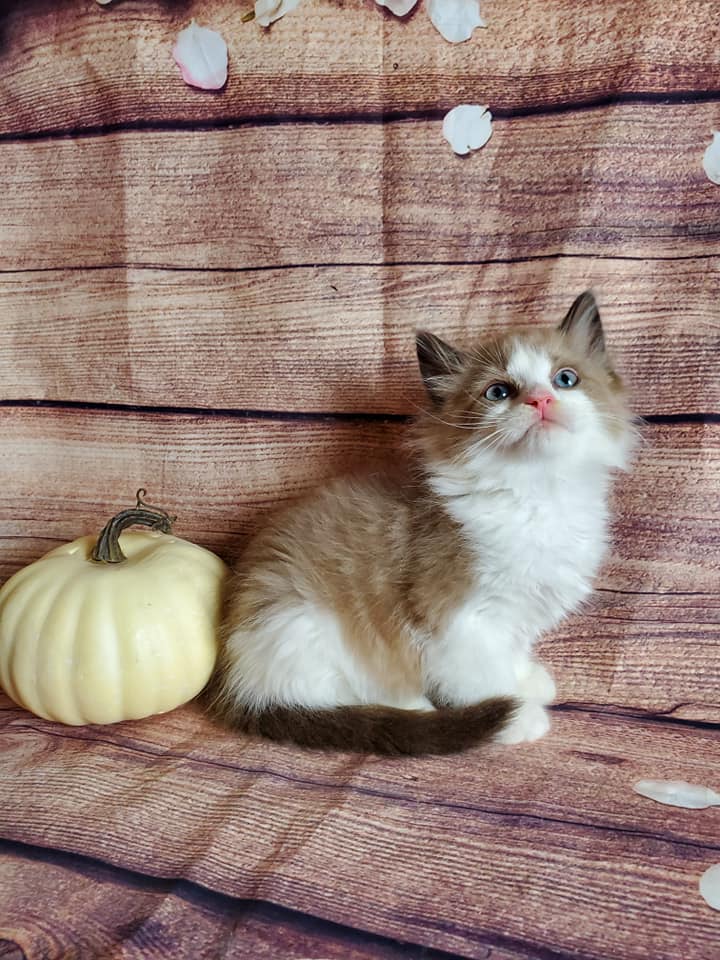
How to Teach Your Ragdoll Kitten Basic Commands and Tricks
Ragdoll kittens are usually gentle, people-focused and eager to stay near their family. Those qualities can make early training enjoyable, especially when lessons are calm, brief and rewarded with something the kitten genuinely values.
Teaching a kitten to respond to a name, come when called, use a scratching post or enter a carrier is more useful than expecting dog-style obedience. Simple tricks such as touching a target, sitting or giving a paw can build confidence while strengthening your bond.
A cage-free, family environment gives kittens valuable experience with household sounds, handling and daily routines. Once your kitten arrives in an Australian home, continue that learning gradually around vacuum cleaners, visitors, children, screens and normal city life in places such as Sydney, Melbourne or Brisbane.
Training should always be reward-based. Food treats, a favourite toy, gentle praise and access to play can all reinforce good behaviour. Avoid shouting, punishment or physically forcing a kitten into position, as these methods can create fear and reduce trust.
Begin With Trust And A Predictable Routine
Give your new Ragdoll kitten time to settle before starting formal lessons. Establish regular meals, quiet naps, play sessions and gentle handling. A kitten that feels secure is more likely to notice your voice and respond to a reward.
Choose a quiet area away from busy foot traffic, loud televisions and other pets. Ragdolls can be relaxed and sociable, but each kitten has an individual threshold for stimulation. End a session when your kitten loses interest, turns away or becomes restless.
Keep training sessions to two or five minutes, several times a day. One successful response is better than a long lesson that leaves the kitten tired. Daily repetition helps commands become part of ordinary life rather than a demanding chore.
Teach A Name And A Reliable Recall
Say your kitten’s name in a warm, consistent voice whenever they look towards you. Immediately offer a tiny treat or start a favourite game. Repeat this in different rooms until the name predicts something pleasant.
For recall training, begin at close range. Say the name followed by “come”, then reward movement towards you. Gradually practise from farther away, always using an upbeat tone. Never call your kitten to deliver medicine, end enjoyable play or provide a frightening experience.
Indoor recall is particularly valuable in Australia, where open doors, balconies and summer entertaining can create escape risks. If you plan supervised outdoor time, use a secure cat enclosure or a well-fitted harness introduced slowly; a Ragdoll should not be allowed to roam freely near roads, dogs or wildlife.
Build Useful Household Behaviours
A scratching post, carrier and grooming routine are practical training tools. Reward your kitten for touching or using the scratching post, then place it near a sleeping area or furniture they already investigate. Offer both vertical and horizontal options until you learn their preference.
Make the carrier part of the furniture rather than bringing it out only for veterinary visits. Leave it open with a soft blanket and occasional treats inside. Reward voluntary exploration, then practise closing the door for a few seconds before building up to short trips.
Regular brushing, nail checks and gentle ear or mouth handling can prevent future battles. This is especially useful for a long-haired Ragdoll and for veterinary care. Australian cat owners should also check their state and local council rules: microchipping and registration requirements differ, and cats in NSW, for example, must be microchipped by 12 weeks and lifetime registered.
Shape Simple Tricks With A Marker
A clicker or a brief word such as “yes” can mark the exact moment your kitten performs the desired action. First, pair the sound with a treat several times. When the kitten understands that the marker predicts a reward, you can use it to teach behaviours precisely.
To teach “sit”, hold a treat just above the kitten’s nose and slowly move it back towards the head. When the hindquarters lower naturally, mark the movement and reward it. Add the spoken cue only after the action begins to happen reliably.
For “touch”, present one finger or a target stick a few centimetres away. Mark and reward any nose movement towards it, then gradually require an actual touch. This trick can lead to useful behaviours such as moving away from a doorway, stepping onto scales or entering a carrier.
Use Play And Food Without Overfeeding
Food is effective, but treats should be very small and included in the kitten’s daily allowance. Growing kittens need a complete, age-appropriate diet rather than large amounts of snacks. Your veterinarian can advise on suitable portions as your Ragdoll matures.
Play rewards work well for kittens that prefer movement to food. After a correct response, offer a wand-toy chase, a short game with a ball or access to a favourite climbing area. Keep string and interactive toys supervised, then store them safely after play.
Australian summers can be hot, particularly in inland areas and during heatwaves affecting cities such as Adelaide and Perth. Train during the cooler parts of the day, provide water and stop if your kitten pants, becomes lethargic or seeks unusual cool surfaces. A comfortable temperature supports better concentration.
Support Confidence For Travel And Therapy Work
A kitten intended to become a therapy companion needs calm socialisation rather than constant handling by unfamiliar people. Introduce new adults, gentle children, household noises and different surfaces one at a time. Allow the kitten to retreat and reward relaxed behaviour.
Short car trips can be taught in stages. Begin with the secured carrier at home, then sit with your kitten in the parked car before starting the engine. Keep journeys brief and never leave a cat in a parked vehicle, as Australian temperatures can become dangerous quickly.
Choose a breeder or cattery that can discuss health screening and early socialisation, including testing relevant to HCM, FIV and FeLV. Training cannot replace sound health care. Arrange a veterinary check after adoption and keep vaccination, parasite prevention, identification and council obligations up to date.
Ragdoll kittens learn best when training feels like a safe game shared with a trusted person. Focus first on name recognition, recall, carrier comfort and cooperative handling; tricks can develop naturally from those foundations.
Today, prepare three tiny treats, choose a marker word, and practise saying your kitten’s name followed by a reward for five calm repetitions.