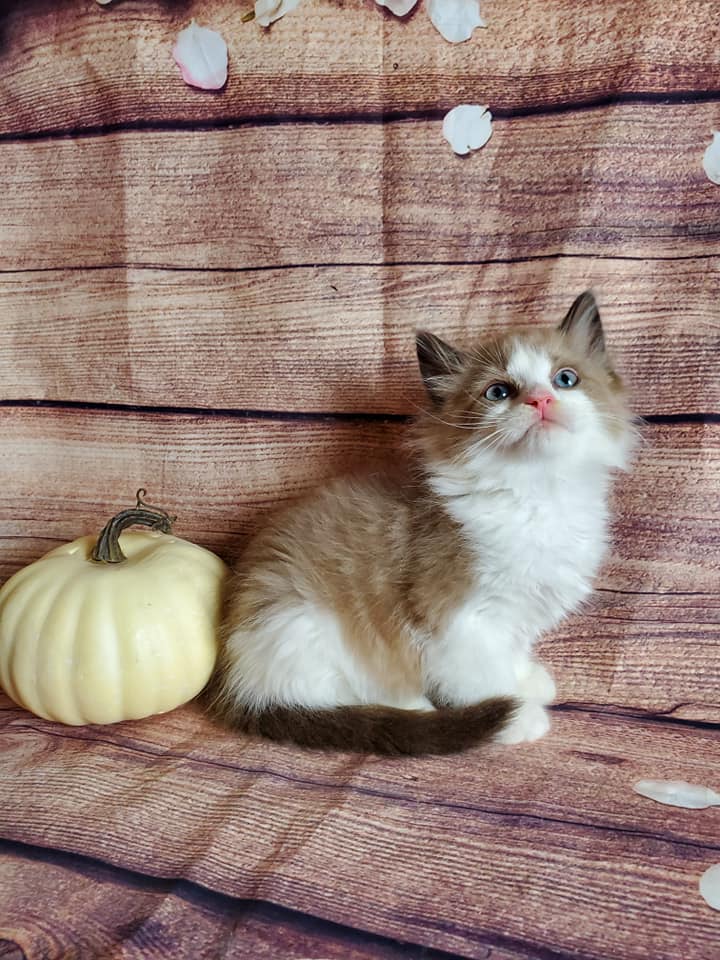
your Ragdoll kitten to travel calmly by car
Ragdoll kittens grow into large, laid-back cats, but even the most placid feline feels uneasy when first placed inside a moving vehicle. The gentle nature of the breed makes them quick learners, yet each kitten still needs structured exposure to the sounds, vibrations, and shifting views that come with travelling down the road.
Australian households often bring their cats along for the ride. Weekend trips to a holiday house in Byron Bay, moves between capital cities, and regular check-ups at the local vet clinic all require kittens to handle car travel gracefully. Teaching calm behaviour from a young age means your companion will adapt to everything from a quick run to the servo for fuel to a multi-day drive along the Great Ocean Road.
Training comes from short, positive sessions, a secure carrier, and a predictable routine. Because Ragdolls respond well to soft voices and treats, the process becomes a bonding ritual rather than a chore. A few minutes spent each day over several weeks prepares a kitten for a lifetime of stress-free journeys.
These steps work whether you live in a suburban Brisbane townhouse or a rural property outside Hobart. They also account for Australian realities such as long distances between towns, hot summer afternoons, and the need to keep cats safely contained while driving on the left-hand side of the road.
Choosing and setting up the right carrier
A sturdy carrier with a secure latch and good ventilation forms the foundation of any successful training plan. Soft-sided bags with reinforced frames suit short trips to the vet, while hard plastic crates offer more stability for longer drives across state borders.
Place a familiar blanket inside the carrier to carry your scent, along with a small washable pad for traction. Leave the carrier open in the living room for several days before the first car ride, encouraging exploration with treats and calm praise. A snug space gives a kitten a sense of security, similar to a den.
First sessions in a stationary vehicle
Begin by carrying the kitten to the car in the closed carrier. Sit together in the parked vehicle with the engine off, offering a treat or a lick of wet food. Speak softly and avoid sudden movements. After a few minutes, return indoors and repeat the exercise later in the arvo.
Once the kitten settles quickly, start the engine while parked. The new vibrations and hum often cause initial curiosity, then mild relaxation. Reward calm behaviour immediately and keep the session under five minutes, ending before any signs of distress appear.
Building up to moving trips
Short drives around the block teach the kitten that movement ends safely back home. Drive at low speeds, take gentle corners, and avoid harsh braking. Over several sessions, gradually extend the distance to a nearby park or the local pet store.
If your kitten shows signs of motion sickness, withhold food for two to three hours before the trip. Speak with your vet about anti-nausea options suitable for young cats, particularly if you live in a regional area far from emergency services.
Always secure the carrier with a seatbelt. A loose carrier becomes a projectile during sudden stops, and unsecured kittens risk serious injury.
Managing Australian heat and road conditions
Australian summers can turn a parked car into an oven within minutes. Always run the air conditioning before placing the kitten inside, and never leave the animal unattended. Plan trips for the cooler hours of the morning or late afternoon, especially when heading out from towns like Alice Springs or Port Augusta.
Keep windows cracked only enough for ventilation, and check that the rear air vents reach the carrier. A frozen water bottle wrapped in a towel offers a cool resting spot without creating a soggy mess.
Watch for wildlife hazards unique to the country, particularly kangaroos and wombats that appear at dusk on rural roads. Sudden swerves can throw an unsecured kitten against the carrier wall.
Longer journeys and holiday travel
When preparing for a multi-hour drive, pack a small travel kit. Include a collapsible water bowl, a bag of the kitten's usual dry food, a spare blanket, and cleaning wipes. Plan rest stops every two hours at pet-friendly roadhouses.
Australian holiday destinations such as the Blue Mountains or the Margaret River region often welcome pets at selected accommodation. Call ahead to confirm pet policies, and bring familiar items from home to maintain routine.
For families relocating between states, review the entry requirements for cats in each jurisdiction, as some require updated vaccinations or health certificates before a cat can legally cross the border.
| Training Stage | Duration | Location | Key Reward |
|---|---|---|---|
| Carrier familiarisation | 3–5 days | Indoor living area | Treats inside open carrier |
| Stationary car sessions | 5–10 minutes | Parked driveway | Soft praise and wet food |
| Short moving trips | 10–20 minutes | Quiet suburban streets | Calm voice and gentle stroking |
| Medium-distance outings | 30–60 minutes | Nearby park or vet | Play session at destination |
| Long-distance travel | 2+ hours | Highway or country road | Rest stop with water and litter |
Vet visits without the drama
Many kittens dread the car because every previous journey ended with a needle or an unfamiliar person. Counter this by scheduling occasional car trips that do not involve the vet. Drive to a quiet park, sit together, and return home. This breaks the association between the carrier and medical procedures.
When a vet visit is unavoidable, use a calming spray containing synthetic pheromones inside the carrier twenty minutes before departure. Speak to your vet about desensitisation programs for kittens that show severe anxiety.
Preparing for emergencies and unexpected travel
Emergencies such as bushfire evacuations or sudden vet visits can happen anywhere in Australia. Keep the carrier accessible at all times and store a small bag of supplies near the front door. Practise quick loading so the kitten learns that entering the carrier is simply another routine.
Register your kitten's microchip with a national database and keep vaccination records in a waterproof pouch inside the car. These details matter when crossing into Western Australia or Tasmania, where entry conditions for cats are stricter than in other states.
Things to keep in mind for every car journey with your Ragdoll
- Secure the carrier with a seatbelt or anchor strap
- Run the air conditioning before placing the kitten inside
- Travel during the cooler parts of the day in summer
- Withhold food briefly before the trip to reduce nausea
- Bring a familiar blanket and a familiar-smelling toy
- Schedule non-vet car trips to build positive associations
- Pack water, a portable bowl, and cleaning supplies for longer drives
A calm kitten becomes a calm adult cat, and the training you invest now pays off during every future vet visit, holiday escape, or sudden evacuation. Patience, consistency, and a secure carrier turn a stressful experience into another chance for your Ragdoll to trust you.