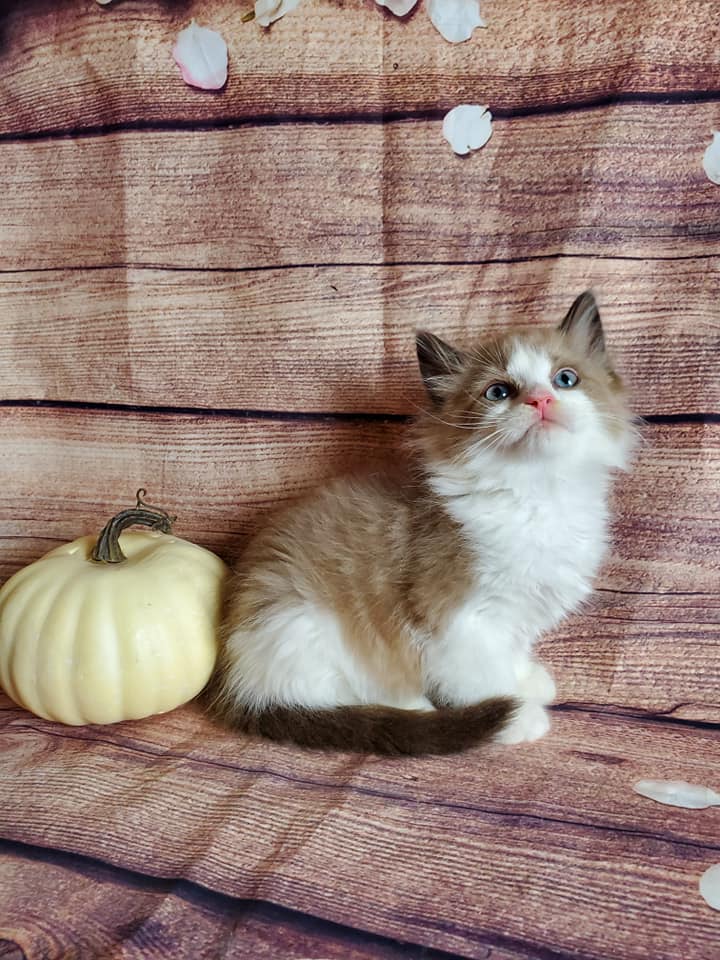
How to teach your Ragdoll to walk on a harness and leash
Teaching a Ragdoll to walk on a harness can provide safe enrichment, gentle exercise, and new sensory experiences. These affectionate, intelligent cats often enjoy staying close to their people, but every kitten has a different comfort level with restraint and outdoor surroundings.
A leash should never be attached directly to a collar. A properly fitted cat harness distributes pressure across the chest and shoulders, reducing the risk of injury or escape. Begin indoors, move slowly, and let your Ragdoll decide when each new stage feels manageable.
Kittens raised in a calm, family environment may already be familiar with handling, household sounds, and positive interaction. Even so, harness training works best as a gradual confidence-building process rather than a single lesson.
Choose safe, comfortable equipment
Select a lightweight harness designed specifically for cats. Vest-style and figure-eight harnesses can both work, provided they fit securely without pressing against the throat or restricting movement. You should be able to slide one or two fingers beneath the straps, but the harness should not shift easily over the shoulders.
Pair the harness with a lightweight, flexible leash. Retractable leashes are usually unsuitable for early training because they can add sudden tension and make it harder to control your cat. Check all clips and stitching before every session, especially if your Ragdoll is still growing.
Allow your cat to investigate the harness before wearing it. Place it near a favorite bed or offer a treat when your cat sniffs it. This creates a positive association with the equipment and reduces the chance that the first fitting will feel threatening.
Start with brief indoor sessions
When your Ragdoll is relaxed, gently place the harness on without attaching the leash. Keep the first session to a minute or two, then remove it and offer praise, play, or a small food reward. If your cat freezes, rolls, backs away, or tries to escape, calmly remove the harness and try again later.
Gradually extend the wearing time over several days. Encourage normal movement with treats, a favorite toy, or a cheerful voice. Avoid dragging, correcting, or holding your cat in place. The goal is for the harness to become an ordinary part of the environment.
Once your cat walks comfortably, attach the leash indoors. Let it trail briefly while you supervise closely, then pick it up without applying pressure. Practice following your Ragdoll around a quiet room, rewarding relaxed steps and voluntary movement.
Build confidence before going outside
Outdoor training should begin only after your cat is comfortable wearing the harness and leash inside. Choose a calm, enclosed area with minimal traffic, dogs, loud machinery, and unfamiliar people. A private patio, secure yard, or quiet porch may be more suitable than a busy park.
Carry your Ragdoll to the starting location rather than allowing the cat to walk through an open doorway. This prevents a frightened kitten from bolting toward the house or street. Let your cat observe, sniff, and listen while you keep the leash loose.
Outdoor exploration may involve very little walking at first. Your Ragdoll might crouch, watch birds, or remain near your feet. These behaviors are normal. Reward curiosity and calm observation, and end the session before your cat becomes overwhelmed.
| Training stage | Suggested duration | Signs to progress |
|---|---|---|
| Investigating the harness | Several short sessions | Sniffs or approaches it calmly |
| Wearing the harness indoors | 1–10 minutes | Walks, plays, or eats normally |
| Indoor leash practice | 5–15 minutes | Moves without pulling or freezing |
| Quiet outdoor observation | 2–5 minutes | Recovers quickly from new sounds |
| Gentle outdoor exploration | 5–20 minutes | Sniffs and follows voluntarily |
Use rewards without creating pressure
Positive reinforcement is especially useful for harness and leash training. Choose rewards your cat values, such as small pieces of cooked meat, commercial cat treats, interactive play, or access to a favorite window. Give the reward immediately after a calm behavior so your Ragdoll understands what earned it.
Some cats are more motivated by attention than food. Soft praise, gentle petting, and the chance to investigate a safe area can work just as well. Keep sessions short and finish with something enjoyable, even if progress is limited.
Never use leash corrections or force your cat to continue walking. Pulling can cause fear and may lead to resistance the next time the harness appears. If your cat struggles, return to an easier step and rebuild confidence.
Protect health and outdoor safety
Before regular outdoor outings, make sure vaccinations, parasite prevention, and identification are current. Discuss an appropriate plan with your veterinarian, particularly for kittens, cats with medical conditions, or Ragdolls that have not previously explored outside.
Outdoor access increases exposure to fleas, ticks, intestinal parasites, toxic plants, wildlife, and infectious disease. Avoid areas treated with chemicals and keep your cat away from standing water, unknown animals, and plants that may be poisonous. A microchip, identification tag, and updated contact details add important protection if an escape occurs.
Watch the weather closely. Ragdolls have a semi-long coat that can collect burrs, moisture, and debris, while hot pavement and cold temperatures can quickly become uncomfortable. Inspect the paws, coat, harness, and skin after each outing.
Solve common training setbacks
If your Ragdoll refuses to move, wait quietly and reward even a small shift in posture. A cat that lies down may be processing unfamiliar sensations rather than misbehaving. Keep the leash slack and avoid turning the session into a contest.
Some cats become overstimulated by birds, dogs, vehicles, or sudden noises. Increase distance from the trigger and return indoors if your cat cannot settle. Hiding, frantic pulling, panting, flattened ears, or repeated vocalization are signs that the experience has become too intense.
A comfortable routine helps many cats make steady progress. Use the same harness, familiar rewards, and quiet locations while introducing new experiences one at a time.
A practical routine for successful outings
Consistent, low-pressure practice is more effective than occasional long adventures. These habits can make harness training safer and more enjoyable:
- Fit the harness indoors and check for slipping before every outing.
- Practice when your Ragdoll is calm, alert, and neither hungry nor exhausted.
- Keep the leash loose and follow your cat’s pace rather than directing every step.
- Carry treats and a secure carrier or travel bag for a quick retreat.
- End each session while your cat is still relaxed and curious.
Some Ragdolls will eventually enjoy short walks, while others prefer supervised patio time or quiet observation from a carrier. Both outcomes are successful if your cat feels secure and engaged.
With patience, gentle handling, and careful attention to health and safety, leash training can become a rewarding part of life with a Ragdoll. Families preparing to welcome a kitten can learn more about breed traits, socialization, health screening, and adoption through Ragdoll Kittens Cattery in Helena, Montana.