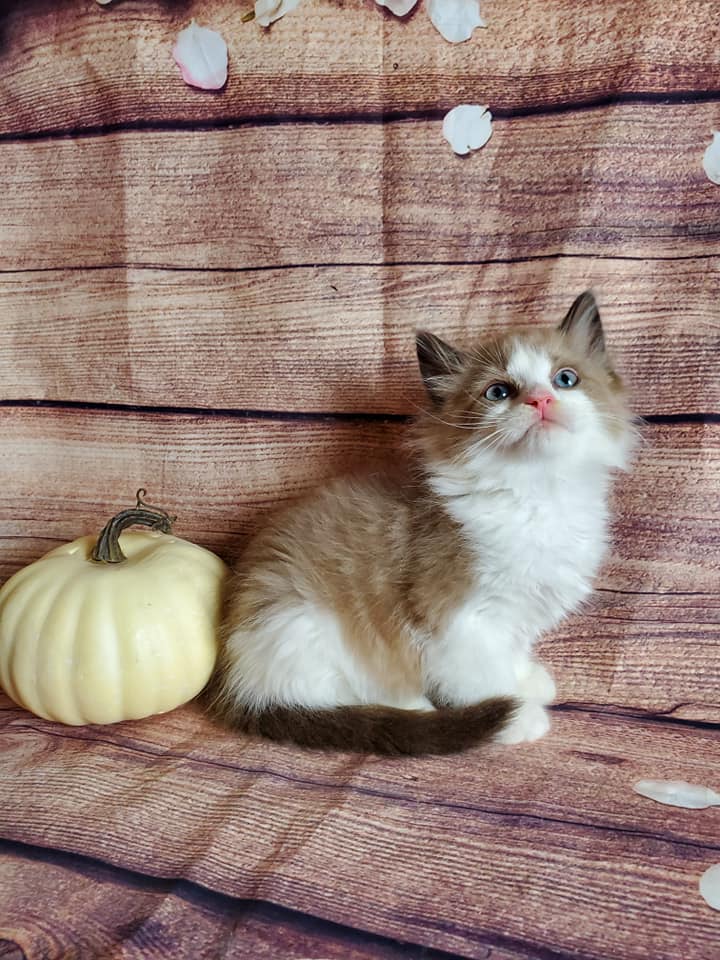
How to tell if your Ragdoll is overweight and what to do
Ragdolls are naturally large, long-bodied cats with broad chests and substantial bone structure. A healthy adult may look bigger than many other domestic cats, so weight alone cannot determine whether your cat is carrying excess fat. Their soft, semi-long coat can also hide changes around the waist and abdomen.
Learning to assess body condition helps you spot problems early. An overweight Ragdoll may face a higher risk of diabetes, joint strain, breathing difficulty, urinary problems, and reduced mobility. The goal is steady, appropriate growth for kittens and a lean, comfortable body for adults.
Because every cat has a different frame, age, activity level, and health history, your veterinarian should help establish a target weight. Regular checkups are especially valuable for cats from a responsible, health-focused breeding program, where ongoing wellness matters as much as appearance.
Look beyond the number on the scale
A bathroom scale can provide useful information, but it does not tell the whole story. Ragdolls often mature slowly and may continue developing muscle and bone for several years. A large male and a petite female should not be judged by the same target number.
Instead, focus on body condition. Stand above your cat while they are standing naturally. You should see a gentle waist behind the ribs, although it may be less obvious beneath a thick coat. When you run your hands along the rib cage, the ribs should be easy to feel under a thin layer of fat without being sharply visible.
Check the abdomen from the side as well. A healthy cat generally has a slight upward tuck from the chest toward the hind legs. A low, swinging belly or a broad, straight silhouette may indicate excess fat, though some loose skin is normal and should not be confused with obesity.
Signs your Ragdoll may be carrying extra fat
Difficulty grooming is one practical warning sign. If your Ragdoll struggles to reach the lower back, hindquarters, or tail base, weight gain may be limiting flexibility. Matted fur, dandruff, and a greasy coat can follow when normal self-care becomes uncomfortable.
Reduced play can also be significant. A cat that once chased toys, climbed a cat tree, or moved easily around the home may begin resting more often, avoiding stairs, or becoming winded after short activity. These changes can reflect weight gain, pain, heart disease, or another medical issue, so they deserve a veterinary assessment rather than an assumption.
Take monthly photographs from above and from the side, and record weight under similar conditions. Gradual changes are easier to recognize in a consistent record than by looking at your cat every day.
Why weight gain happens
Portion size is a common factor, particularly when food is left available all day. Treats, table scraps, calorie-dense food, and multiple family members feeding the cat can quietly push daily calories higher than needed. Neutering, aging, and lower activity can also reduce energy requirements.
Indoor cats may have fewer natural opportunities to move. A calm family environment is wonderful for social development and companionship, but interactive play still needs to be part of the daily routine. Puzzle feeders, climbing areas, wand toys, and short hunting-style games can encourage movement without making exercise stressful.
A sudden change should never be treated as a simple diet issue. Increased thirst, increased urination, vomiting, diarrhea, lethargy, or rapid weight gain warrants prompt veterinary care. Health screening and regular examinations can help identify conditions that affect appetite, metabolism, or activity.
Use a practical body condition check
The following guide is a useful starting point, but a veterinarian can provide the most accurate body condition score and muscle assessment. Feel your cat gently rather than pressing hard through the coat.
| Body condition | What you may notice | Appropriate response |
|---|---|---|
| Lean | Ribs are very prominent, with little fat covering and a pronounced waist | Ask a veterinarian whether food intake or health needs attention |
| Ideal | Ribs are easy to feel, the waist is visible, and the abdomen has a mild tuck | Maintain the current routine and monitor regularly |
| Mildly heavy | Ribs require firmer pressure, the waist is less defined, and the belly looks rounder | Review portions and schedule a veterinary weight check |
| Overweight | Ribs are difficult to feel, the waist is absent, and the abdomen is noticeably rounded | Create a gradual, supervised weight-loss plan |
| Obese | Ribs are hard to locate, movement is restricted, and the belly has substantial fat | Arrange veterinary guidance before making major dietary changes |
Fluffy fur can make visual judgment unreliable, so hands-on checks are essential. Ask your veterinarian or veterinary technician to demonstrate the ideal feel for your individual Ragdoll during a routine visit.
Create a safe weight-loss routine
Never put a cat on a severe crash diet. Rapid calorie restriction can lead to hepatic lipidosis, a potentially serious liver condition. A veterinarian can calculate an appropriate calorie goal, recommend a complete and balanced diet, and set a safe rate of weight loss.
Helpful changes may include:
- Measure every meal with a kitchen scale or accurate measuring cup.
- Count treats as part of the daily calorie allowance.
- Feed scheduled meals instead of leaving unlimited food available.
- Use food puzzles or timed feeders to slow eating and add activity.
- Weigh your cat every two to four weeks and record the results.
Some cats need a prescription weight-management diet, while others can lose weight with carefully measured portions of their usual complete food. Do not replace meals with homemade recipes or cut food dramatically without professional advice.
Support movement and long-term wellbeing
Aim for several brief play sessions rather than one exhausting workout. A wand toy moved like prey, a lightweight ball, or a treat hidden in a puzzle can encourage natural stalking and chasing behaviors. Increase activity gradually, especially if your Ragdoll is sedentary or has stiff joints.
Keep food, water, litter boxes, and resting places easy to access, while placing some toys or climbing platforms nearby to encourage gentle movement. Monitor breathing, gait, enthusiasm, and grooming as weight changes. Comfort and mobility matter as much as the number on the scale.
A healthy weight can also support the close relationship Ragdolls often build with their families. Their affectionate nature is described beautifully in this personal bond story, and maintaining comfortable movement helps cats stay engaged with the people and routines they enjoy.
Arrange a wellness visit if you are unsure whether your Ragdoll is overweight, then follow a measured plan with regular progress checks. With appropriate portions, enriching activity, and veterinary support, your cat can move comfortably and enjoy a longer, healthier life as a cherished companion.