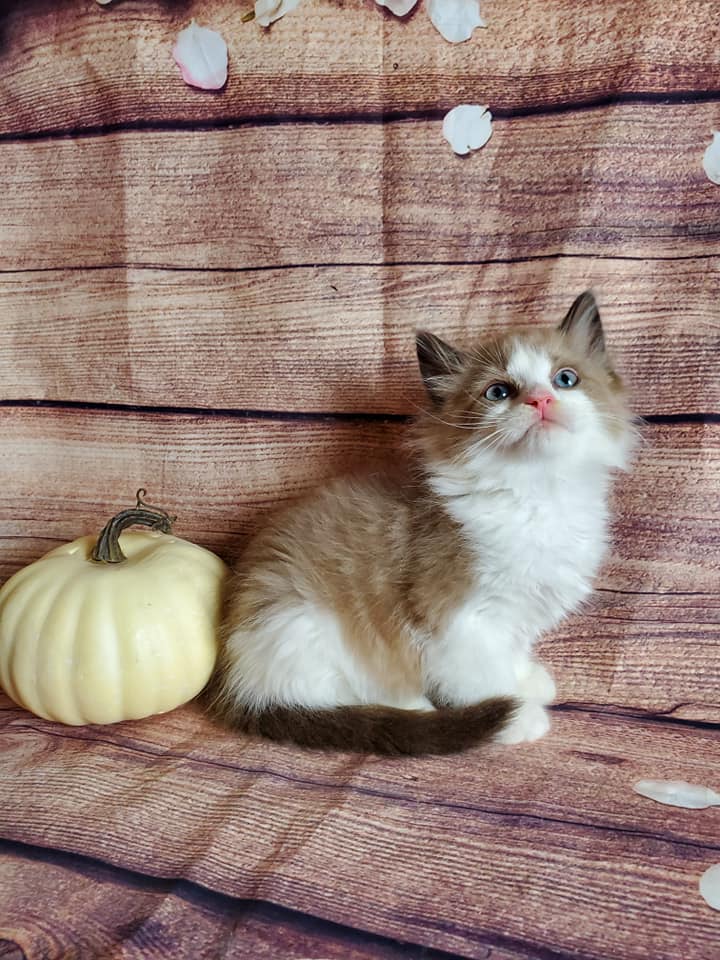
Teaching your Ragdoll kitten a reliable recall
Ragdoll kittens are known for their calm, people-oriented personalities, which makes teaching recall much smoother than with many other breeds. Because these cats form strong attachments to their humans, they tend to want to stay close, giving you a natural head start on training. The key is shaping that social instinct into a dependable cue that holds up in any situation.
In Australia, where many councils require cats to be contained to the owner's property and where indoor living protects native wildlife, a reliable recall becomes especially valuable. Whether your kitten roams a Sydney apartment, a Brisbane catio, or a Melbourne townhouse hallway, the ability to call them back keeps them safe and makes daily routines far easier for everyone in the household.
Laying the foundation with name recognition
Begin by choosing a short, clear name or sound — two syllables or fewer works best for a kitten's attention span. Use the same cue every single time you offer food, greet your cat, or hand over a favourite toy. Consistency is what turns a string of sounds into a meaningful signal in your kitten's mind.
Pair the name with something your Ragdoll already values: a tiny piece of cooked chicken, a gentle chin scratch, or a soft tone of voice. Australian pet retailers such as Petbarn and PetStock stock freeze-dried chicken, liver, and salmon treats that work well for this stage. Keep sessions brief, around three to five minutes, and always end before your kitten loses interest, so they associate the cue with a positive feeling.
Practise in a quiet room with no distractions. Say the name once, pause, and the instant your kitten looks at you, mark the moment with a treat. Repeating this several times a day, spread across breakfast, dinner, and play sessions, builds the neural pathway between the sound and the reward far faster than a single long session.
Building the behaviour with positive reinforcement
Once your Ragdoll kitten reliably glances your way when you speak their name, the next step is shaping a full approach. Clicker training works beautifully with this breed, as Ragdolls respond well to the precise timing a clicker provides. Load the clicker first by clicking and treating ten to fifteen times so the sound alone predicts something good.
Mark the moment your kitten turns toward you, then reward after each tiny movement in your direction. Progress from an ear flick, to a head turn, to a single step, to walking across the room. This gradual approach prevents frustration and keeps your kitten offering behaviours willingly. Free-range kittens raised in a family environment tend to pick this up faster because they already trust people.
Training treats sold at Australian pet stores are usually small enough for frequent rewards without filling up your kitten too quickly. Keep a pouch of high-value options, such as diced roast chicken or commercially prepared training treats, separate from the everyday kibble so the rewards feel special during recall work.
Adding distance and mild distractions
After a week of short, successful sessions, start practising from another room. Call your kitten through a doorway, around a corner, or up the hallway. Increase the gap gradually, working from two metres to five, then to ten. If your kitten hesitates, return to an easier distance and rebuild confidence before pushing further.
Australia's climate plays a role here. In Perth or Adelaide during a 38-degree summer day, your kitten has little motivation to move around at all. Schedule training for early morning or evening when the house is cooler, and never follow a recall session with anything that might feel like a negative consequence, such as a trip to the vet or a bath. The breed's famously docile nature means they can become unusually reluctant if they link a cue to an unpleasant outcome.
Introduce mild distractions once distance feels solid. Practise when the television is on, when family members walk through the room, or while a household pet moves nearby. The aim is to prove to your kitten that coming when called is always worth it, regardless of what else is happening.
Proofing the recall in real settings
A truly reliable response holds up across multiple environments. Practise the cue near the front door, by the back garden entrance, and inside any outdoor enclosure you may have built. In Australian homes, catios and secured backyard runs are common features, and training through these spaces mirrors real-life scenarios more accurately than living-room practice alone.
Invite a friend or family member to help with a small rehearsal. Have your helper hold the kitten a few metres away while you call and reward. This teaches your Ragdoll that the cue works even when someone else is involved, which is helpful during vet visits or boarding. Always follow a successful approach with praise, a treat, or a brief play session rather than immediately ending the fun.
Keep a stash of irresistible rewards in different locations around the house so you are never caught without something to mark the behaviour. Many Australian cat owners keep small treat jars in the kitchen, the laundry, and the lounge for exactly this reason.
Choosing the right motivation for your kitten
Different rewards produce different results, and knowing what to use when helps refine your approach over time.
| Reward type | Best for | Notes for Ragdoll owners |
|---|---|---|
| Soft training treats | Indoor sessions, beginners | Low odour, easy to ration, widely available at Petbarn and PetStock |
| Freeze-dried meat | Strong distractions, outdoor enclosures | High-value, stronger scent, useful when motivation dips |
| Clicker marker | Precise shaping of new movements | Pairs well with the breed's calm focus |
| Verbal praise plus petting | Cats not highly food-motivated | Many Ragdolls respond strongly to gentle affection |
| Brief play session | Cooler weather, end-of-day practice | A few flicks with a wand toy closes a session on a high note |
A dependable recall rests on the same principles every Australian cat owner already values: patience, consistency, and respect for the animal in front of you. Choose rewards that genuinely excite your kitten, keep sessions short and upbeat, and always end on a win. Over weeks of gentle repetition, your Ragdoll will turn toward you the moment they hear your voice, no matter where in the home the call begins.