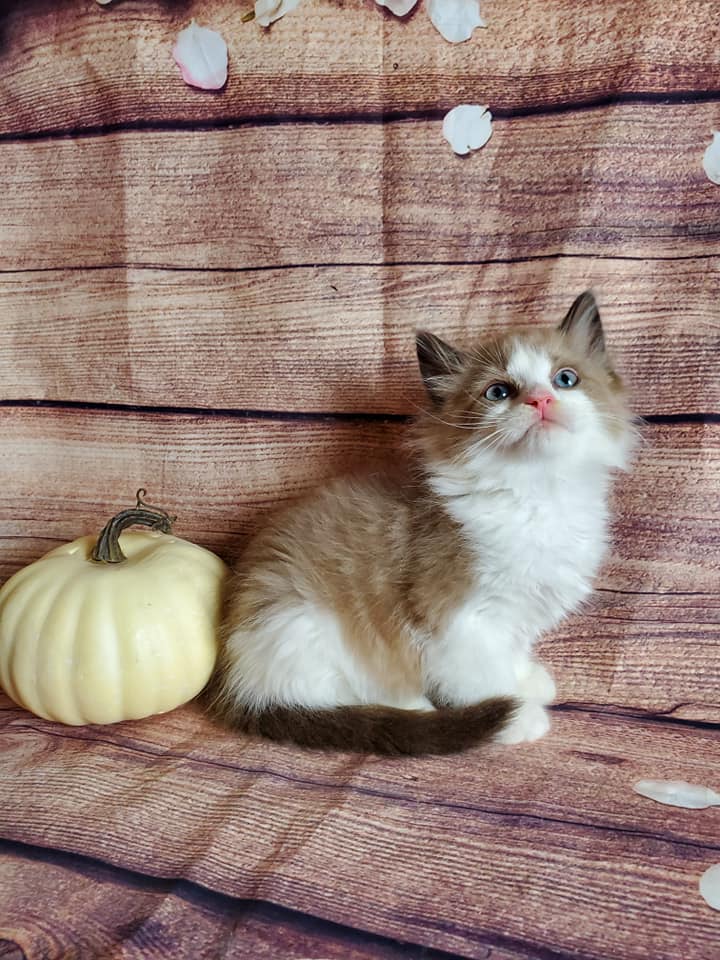
Helping Your Ragdoll Kitten Move from Wet Food to a Mixed Diet
Ragdoll kittens often arrive at their new homes already accustomed to wet food, which breeders frequently rely on for hydration and easy weaning. As your kitten settles into life in your Australian household, introducing a mixed diet that includes quality dry kibble can support dental health, convenience for working owners, and a more varied nutritional profile. The shift does not need to feel rushed, and understanding the breed's relaxed temperament makes timing easier.
Many Australian cat owners juggle long commutes from suburbs like Parramatta or the Brisbane bayside, so having a feeding option that does not spoil during the day is a genuine advantage. Wet food left out for hours can attract flies in warmer months and lose aroma, while dry food stays fresh in the bowl. A balanced approach typically delivers the best of both worlds for a breed known for its laid-back appetite and predictable eating habits. For those still getting to know the breed, learning more about the Ragdoll breed profile helps set realistic expectations around feeding behaviour.
Why a Mixed Diet Suits the Ragdoll
Ragdolls are a slow-maturing breed, often not reaching full size until they are three or four years old, which means their nutritional needs evolve gradually. A mixed diet supports healthy weight gain in kittens while providing the crunch that helps keep teeth clean. Wet food alone can lead to plaque build-up, especially in cats that are not enthusiastic chewers, and a small portion of kibble each day counters that tendency.
Another practical reason is flexibility. Australian summers, particularly in Perth or Darwin, can heat up quickly, and a kitten that grazes on dry food during the day is more likely to stay fed even if wet portions are skipped or delayed. Combined with constant access to fresh water, this approach mirrors the feeding patterns of many multi-cat households across the country.
Timing the Switch in an Australian Home
Most Ragdoll kittens transition smoothly between eight and sixteen weeks of age, once they have settled into their new environment for at least a week. Rushing the change during the first few days can lead to stress-related tummy upsets, particularly after the long flight from an American-based breeder to Sydney or Melbourne. Watch for signs of comfort first: playful behaviour, normal litter tray habits, and steady appetite on the current food.
If your kitten has just arrived, book a quick check-up with a local Greencross or independent vet within the first week. The vet can confirm there are no parasites picked up in transit and give the green light for a slow dietary change. A calm, predictable routine in the home is worth more than any specific schedule, and Australian families often find that kittens adapt best when meal times align with their own breakfast and dinner.
Picking the Right Dry Food
Australian pet retailers such as Petbarn and Petstock stock a wide range of options, including Royal Canin, Advance, and Black Hawk, all of which produce kitten-specific formulas. Look for a product that lists real meat as the first ingredient, avoids artificial colours, and includes taurine and omega oils. Ragdolls benefit from a moderate protein level since they are not as active as some breeds, but they still need quality sources.
Avoid supermarket-brand kibble that is high in fillers like corn or wheat, as these can trigger sensitivities in some lines. Budget roughly $25 to $45 AUD for a 1.5 to 3 kilogram bag, which generally lasts a single kitten around four to six weeks. If your kitten shows any sign of itching, loose stools, or excessive thirst, swap the food gradually rather than blaming the brand immediately.
The Step-by-Step Transition
A seven-day plan works well for most kittens. Start by replacing roughly ten percent of the wet food with soaked kibble, mixing it into the wet portion so the flavours blend. Increase the dry ratio by another ten to fifteen percent every two days, and keep portions small to avoid overwhelming a small stomach.
By day five or six, your kitten should be eating roughly half wet and half dry food without hesitation. From there, you can shift the dry portion to a separate bowl offered mid-morning, which suits Australian households where people are out for several hours. Always keep fresh water available, and clean bowls daily, as leftover oils can turn rancid quickly in warmer climates.
Avoiding Digestive Upsets
Loose stools are the most common hiccup during a diet change, and they usually resolve within forty-eight hours. If they persist beyond that, reduce the dry portion back to the previous level and hold there for a few extra days before progressing. Probiotic pastes sold at most Australian vet clinics can help restore gut balance, especially after a long-haul flight or vaccination appointment.
Watch for vomiting, lethargy, or refusal to drink, as these can signal something more serious. Keep an eye on portion size; Ragdoll kittens love food and can easily overeat if allowed, which puts strain on their developing frame. Using a measured scoop rather than guessing helps maintain a healthy growth curve and prevents the rounded belly that often appears in overfed kittens.
Feeding Routine for the Long Term
Once your Ragdoll is fully transitioned, aim for two wet meals a day with a small offering of dry kibble left out during the day. This mirrors the natural feeding rhythm of a free-ranging cat while giving working owners a practical way to keep their pet satisfied. Many Australian families find that an automatic feeder set for a midday kibble portion makes life easier, particularly during the long summer holiday period when routines shift.
Regular weigh-ins at the vet, roughly every three months during the first year, help confirm your kitten is on track. Adjust portions slightly if growth slows or speeds up, and remember that Ragdolls often maintain a kitten-like appetite well into adulthood, so portion control matters throughout their lives.
| Feeding Style | Hydration Support | Dental Benefits | Convenience for Owners | Typical Cost in AUD (monthly) |
|---|---|---|---|---|
| Wet food only | High | Low | Low (needs refrigeration) | $60–$90 |
| Dry food only | Low | Moderate | High | $25–$45 |
| Mixed diet | High | High | High | $45–$80 |
| Raw mixed | High | Variable | Moderate | $80–$130 |
Practical steps for a smooth transition
- Begin with a 90/10 split of wet to dry food, using soaked kibble to soften texture.
- Increase the dry portion by ten to fifteen percent every two days.
- Offer fresh water in a ceramic bowl away from food to encourage drinking.
- Keep meal times consistent with your family's daily routine.
- Use a kitchen scale to weigh weekly portions during the first three months.
- Book a vet check within the first week of arrival to rule out travel stress.
- Store opened kibble in a sealed container to keep it fresh in humid weather.
A mixed diet ultimately gives your Ragdoll kitten the best of both worlds: the hydration and aroma of wet food alongside the dental and convenience benefits of dry kibble. With a slow, steady approach tailored to your household rhythm, your kitten will settle into a feeding pattern that supports healthy growth for years to come.