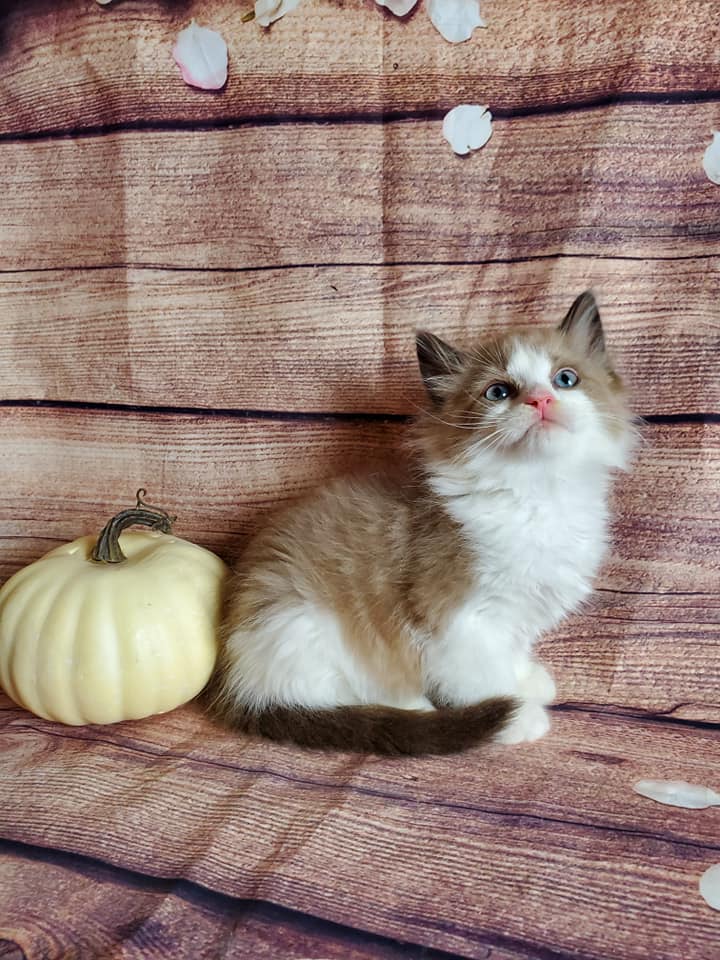
How to Transition a Ragdoll Kitten to a New Food
Bringing a Ragdoll kitten home is an exciting change, but the move can temporarily affect appetite and digestion. A familiar feeding routine helps your kitten feel secure while adjusting to new people, sounds, smells, and surroundings.
If you plan to change the food provided by the cattery, make the switch gradually. A slow transition gives the digestive system time to adapt and makes it easier to identify whether loose stool, vomiting, or reduced appetite is related to the new diet.
Ragdolls are slow-growing, large-framed cats, so balanced nutrition during kittenhood matters. Choose a complete food made for kittens and keep your veterinarian involved when your kitten has a sensitive stomach, a medical condition, or an unusual response to a diet.
Start With Familiar Food
Ask the cattery which brand, recipe, texture, and feeding schedule your kitten currently follows. Keeping the same food for the first several days can reduce stress during the move. It also establishes a useful baseline before you introduce anything different.
If possible, bring home enough of the familiar food to maintain the routine for at least a week. A sudden change from one protein, formula, or texture to another may lead to soft stool or food refusal, even when the new product is high quality.
Keep bowls in a quiet, consistent area away from litter boxes and busy household traffic. Stainless steel or ceramic dishes are usually easy to clean and less likely to retain odors than scratched plastic.
Choose a Complete Kitten Diet
Select food labeled as complete and balanced for kittens or for growth and reproduction. Wet food can support hydration, while dry food is convenient for measured meals. Many families offer a combination, provided the total daily amount remains appropriate.
Look for a formula from a reputable manufacturer with clear feeding directions and quality-control information. Avoid making a Ragdoll kitten’s diet primarily from treats, homemade recipes, or unbalanced raw ingredients unless a veterinary nutrition professional has designed the plan.
Food sensitivities are different from ordinary adjustment. If your kitten has a known intolerance, ask the cattery for previous diet details and share them with your veterinarian before choosing a replacement formula.
Follow a Gradual Feeding Schedule
A seven-day transition works well for many healthy kittens. Some need ten to fourteen days, especially when they are nervous or have a history of digestive upset. Mix the foods thoroughly rather than serving two separate meals, so your kitten becomes accustomed to the new aroma and texture.
| Transition period | Familiar food | New food | What to monitor |
|---|---|---|---|
| Days 1–2 | 75% | 25% | Appetite, stool, energy |
| Days 3–4 | 50% | 50% | Vomiting, gas, stool consistency |
| Days 5–6 | 25% | 75% | Food acceptance and hydration |
| Day 7 onward | 0% | 100% | Weight, digestion, normal behavior |
If stool becomes loose or your kitten stops eating the mixed meal, return to the last well-tolerated ratio for several days. Do not keep increasing the new food until digestion is normal. A slower change is usually more successful than repeatedly replacing the entire diet.
Measure Meals and Protect Hydration
Use the food manufacturer’s kitten-feeding guide as a starting point, then adjust portions with veterinary guidance. Ragdoll kittens grow for an extended period, but free-feeding can make it difficult to track appetite and may encourage overeating in some cats.
Offer several small meals each day rather than relying on one large serving. Scheduled meals help you notice changes in appetite and make it easier to administer medication or monitor food intake if your veterinarian recommends it.
Provide fresh water in more than one quiet location. Some kittens drink more readily from a wide, shallow bowl or a circulating fountain. Wet food contributes fluid, but it does not replace access to clean drinking water.
Keep the Feeding Routine Calm
Moving to a new home can briefly reduce appetite, so avoid introducing several changes at once. Keep the same meal times, use familiar bowls, and give your kitten a private place to eat. Children and other pets should not crowd the feeding area.
Do not pressure a hesitant kitten to finish a meal. Remove uneaten wet food after a safe period and offer a fresh, small portion later. Dry food should also be stored sealed and replaced regularly so it stays appealing.
Treats should make up only a small part of the daily intake. During the first weeks, limiting extras helps your kitten learn the new diet and prevents treats from masking a genuine loss of appetite.
Know When Veterinary Advice Is Needed
A single soft stool can occur during a food change, but persistent diarrhea, repeated vomiting, weakness, abdominal discomfort, or dehydration deserves prompt veterinary attention. Young kittens can become unwell more quickly than adult cats.
Contact a veterinarian if your kitten refuses food, especially if the loss of appetite continues through the day or occurs with lethargy. Never force-feed or give human medications without professional direction.
Keep adoption records, vaccination information, parasite-treatment details, and feeding notes available for the appointment. Health information from a TICA-registered cattery, including relevant screening history, can help the veterinarian assess the kitten more completely.
Make the Change Easier
- Request the current food name, flavor, texture, portion size, and feeding times before bringing the kitten home.
- Purchase both the familiar formula and the new food before beginning the transition.
- Record daily meals, water intake, stool quality, and behavior during the first two weeks.
- Change one diet variable at a time instead of switching food, treats, bowls, and supplements together.
- Weigh the kitten regularly with veterinary guidance to track healthy growth.
A dependable routine supports confident eating and helps your new companion settle into family life. Once the transition is complete, continue observing body condition, energy, stool quality, and appetite as your Ragdoll matures.
When you are preparing to welcome a Ragdoll kitten into your home, contact Ragdoll Kittens Cattery to discuss current food, feeding instructions, health records, and adoption details before pickup. The right preparation can make mealtimes a comfortable part of your kitten’s first days with you.