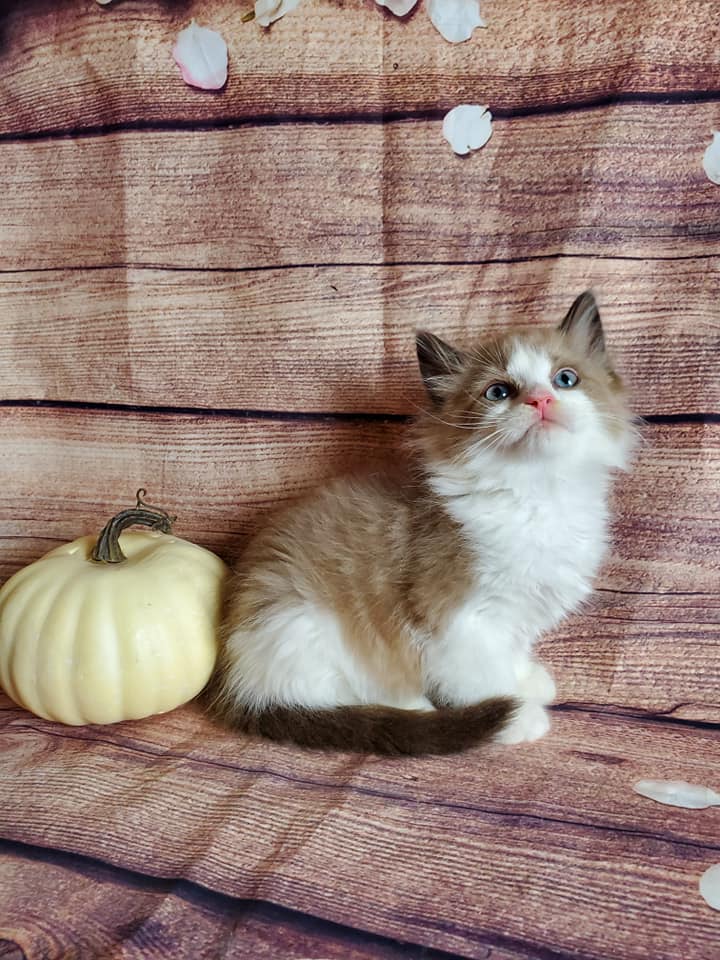
Calm Nail Care for Your Ragdoll Cat
Ragdoll cats are known for their gentle nature, but even a relaxed cat may dislike having its paws held. Their large, fluffy feet can make the claws harder to see, so preparation and patience matter more than speed. A calm routine helps prevent sharp nails from catching on clothing, carpet, furniture, or human skin.
Learning how to trim your Ragdoll cat’s nails without stress starts with recognising early signs of discomfort. Tail flicking, pulled-back ears, tense toes, or an attempt to withdraw the paw are signals to pause. Nail care should be a series of short, positive sessions rather than a struggle to finish every claw at once.
For Australian households, regular trimming can be especially useful for indoor cats living in apartments in Sydney, Melbourne, Brisbane, or other busy urban areas. Cats with limited access to rough outdoor surfaces may not wear their nails down naturally, while soft furnishings and carpet can catch overgrown claws.
Prepare the Right Setting
Choose a quiet room with good natural light or a bright lamp. Avoid trimming immediately after loud visitors arrive, during a thunderstorm, or when the household is busy. A familiar blanket on your lap can give your Ragdoll a secure surface, while another person may gently offer treats if your cat prefers sitting beside you.
Use sharp, purpose-made cat nail clippers rather than human nail scissors. Small scissor-style clippers are often easier to control than large guillotine models. Keep styptic powder nearby in case a claw is cut too short, although clean cornflour can be a temporary alternative if a minor nick occurs. Do not use household disinfectants or essential oils on the paw.
Start with paw handling several days before clipping. Touch one paw, press gently on a toe to extend the claw, then release and reward your cat. A tiny portion of cooked chicken or a commercial cat treat can create a positive association. Australian owners can find suitable clippers and treats through local veterinary clinics, pet supply shops, and reputable online retailers.
Understand the Claw Before Cutting
A cat’s claw has a transparent outer section and a pink inner area called the quick. The quick contains blood vessels and nerves, so cutting into it causes pain and bleeding. On pale claws, it is usually visible as a pink line. Dark claws require smaller cuts and closer observation of the freshly clipped surface.
Hold the paw gently without squeezing the toes. Trim only the sharp, curved tip, keeping well away from the quick. For a large Ragdoll, it can be tempting to remove a substantial length, especially when the claws look hooked, but several small trims are safer than one deep cut.
| What You Notice | What It Usually Means | Best Response |
|---|---|---|
| Relaxed paw and steady breathing | Your cat is coping well | Trim one or two claws and reward |
| Paw withdrawal or tail flicking | Mild stress or irritation | Stop briefly and offer a treat |
| Flattened ears or tense body | Your cat is becoming fearful | End the session and try another day |
| Sudden bite or strong struggling | The session has gone too far | Release the paw safely and pause |
| Bleeding after a cut | The quick was nicked | Apply styptic powder with gentle pressure |
Build the Routine Gradually
The first successful session may involve only one claw. That still counts as progress. Some Ragdolls tolerate front paws more easily than back paws, so begin with the foot your cat accepts most readily. Keep your voice low and movements predictable, and avoid restraining the whole body unless a veterinary professional has shown you how.
A useful routine is to trim one or two nails every few days, gradually working towards all claws over one or two weeks. Many cats are calmer after a meal or a gentle play session, when they are naturally settling down. Do not chase a cat around the house with clippers, as this can make the tool itself frightening.
Ragdoll kittens should become familiar with paw handling early, particularly when they are raised in a home environment and handled daily. A reputable breeder or cattery can help kittens learn that gentle touch is normal, but the new owner still needs to continue the routine consistently after adoption.
Make Each Session More Comfortable
Long fur between the toes can obscure the claw and make trimming awkward. If the hair is very dense, do not pull or cut close to the skin without guidance. A veterinary nurse or experienced groomer can show you how to improve visibility safely. Ragdolls generally benefit from regular brushing as well, since a relaxed grooming routine can support easier paw care.
Never force a cat onto its back simply because that position seems convenient. Some cats prefer standing on a stable surface, while others are comfortable lying beside you. Follow your cat’s body language and keep the paw close to its natural position. Gentle handling reduces the risk of twisting a toe or causing a defensive scratch.
Indoor cats may still need a scratching post, even after their claws are trimmed. A tall, sturdy post covered with sisal gives a Ragdoll an appropriate place to stretch and scratch. In rental homes around Perth or Adelaide, a vertical post and washable mat can help protect carpets and furniture without relying on declawing, which is inappropriate and harmful.
Know When Professional Help Is Safer
A veterinary clinic is the right choice if a claw is split, embedded in a paw pad, unusually thick, or growing in an abnormal direction. Older cats may develop reduced mobility or arthritis, making paw handling painful. Sudden resistance can sometimes indicate discomfort rather than poor behaviour.
If you accidentally cut the quick, stay calm. Apply styptic powder with light pressure for several seconds and prevent licking until the bleeding stops. Contact an Australian vet if bleeding continues, the nail is badly damaged, or your cat appears distressed. Do not repeatedly cut at the same nail or apply human pain medication, as many common medicines are toxic to cats.
Some cats need professional trimming because of anxiety, physical size, or past negative experiences. A veterinary team can use low-stress handling techniques and advise whether a health problem is affecting the claws. Routine nail care should protect your Ragdoll’s comfort, not become a test of endurance.
Short, regular sessions are safer than infrequent major trims. Give your Ragdoll time to accept paw handling, cut only the pointed tip, reward calm behaviour, and stop before fear takes over. The main thing to remember is that successful nail care is measured by trust maintained, not by how many claws are trimmed in one sitting.