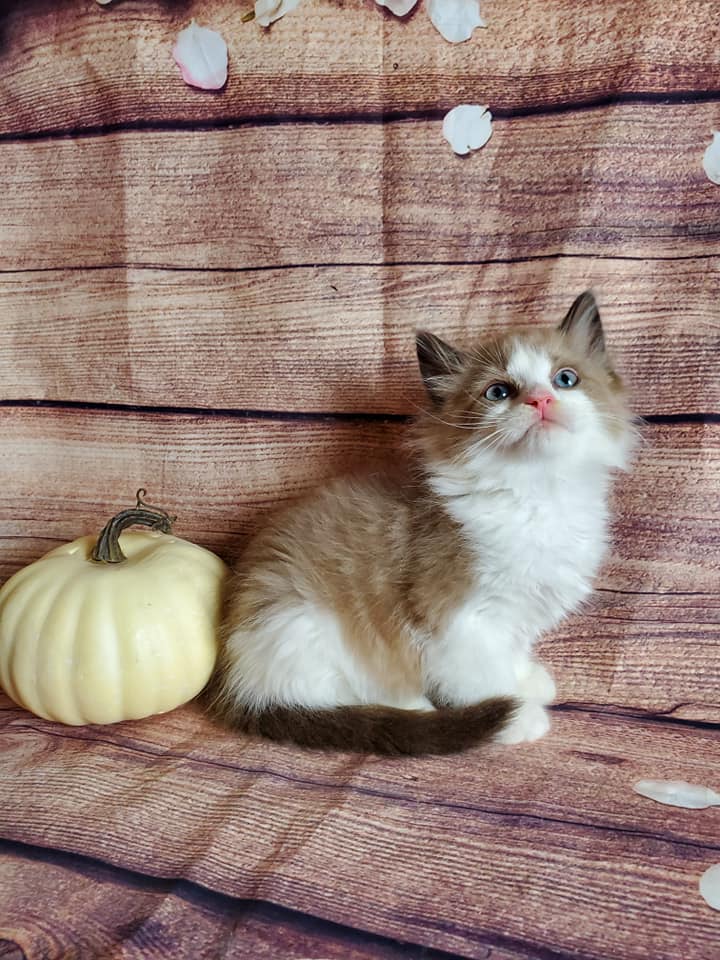
How to Trim Your Ragdoll’s Claws Safely
Regular claw care helps your Ragdoll stay comfortable while protecting furniture, family members, and other pets from accidental scratches. Because Ragdolls are generally relaxed and people-oriented, many accept nail trimming well when the routine is introduced patiently and kept gentle.
A cat’s claws grow continuously. Long, sharp tips can snag on blankets, become uncomfortable during walking, or curl toward the paw pad. Indoor cats may need more frequent trims because they have fewer natural opportunities to wear down their claws.
At Ragdoll Kittens Cattery, kittens are raised in a family environment and handled daily for socialization. That early, positive handling can make grooming tasks easier, but every adult cat still needs an individual approach based on temperament and comfort.
Why Claw Care Matters
Trimming removes only the sharp, curved tip of the claw. It does not replace scratching, which remains an important behavior for stretching, marking territory, and maintaining healthy paws. Provide sturdy scratching posts or pads in several areas of the home so your Ragdoll can use its claws naturally between trims.
Overgrown nails may catch on carpet, upholstery, or clothing. In severe cases, a claw can grow into the paw pad and cause pain or infection. Checking the paws regularly lets you identify problems before a simple grooming task becomes a veterinary concern.
Prepare Calmly And Choose Tools
Choose a quiet room with good lighting and a comfortable chair or floor space. Have feline nail clippers, a small towel, and a few favorite treats nearby. Cat-specific scissor-style or guillotine-style clippers work well when they are sharp and clean. Avoid human nail clippers if they split or crush the claw.
Start by touching your cat’s shoulder, leg, and paw without trimming. Gently press the paw pad so one claw extends, then release it and offer praise. Repeat these short practice sessions for several days. A calm introduction is more valuable than trying to complete every paw during the first attempt.
Find The Safe Cutting Point
Each claw has a clear outer shell and a sensitive inner section called the quick. The quick contains blood vessels and nerves. On light-colored claws, it usually appears as a pink area near the center. The goal is to cut only the translucent, hooked tip several millimeters away from the quick.
Ragdolls can have clear, cream, or darker claws, making the quick harder to see in some toes. With dark claws, remove very small slivers at a time and inspect the cut surface after each clip. Stop when you see a darker central dot or when the curve has been shortened without approaching the sensitive core.
Use A Slow, Comfortable Routine
Hold the paw gently rather than squeezing it. Extend one claw, position the clipper across the sharp point, and make one confident cut. Hesitating with the clipper closed around the claw can increase stress and produce a rough edge. If your cat remains relaxed, continue with another claw and reward calm behavior throughout.
You do not have to finish all four paws in one session. Many cats tolerate two or three claws at a time more easily than a long grooming appointment. The chart below can help you choose an approach based on your cat’s behavior and claw color.
| Situation | Recommended Approach | When To Pause |
|---|---|---|
| Clear or pale claws | Trim the hooked tip while keeping the pink quick visible | Stop before the cut reaches the pink area |
| Dark claws | Remove tiny slivers and inspect after each cut | Pause when a dark center becomes visible |
| Relaxed cat | Trim several claws, rewarding after each paw | Stop if the cat begins pulling away |
| Nervous cat | Practice paw handling without clipping | Resume another day if breathing or body tension changes |
| One overgrown claw | Address that claw first with minimal shortening | Contact a veterinarian if it curves into the pad |
After trimming, run a fingertip lightly over the claw to check for sharp edges. Give a high-value treat, calm praise, or a favorite play session. Ending on a positive note helps your Ragdoll associate claw care with predictable rewards rather than restraint.
Handle Resistance And Small Mistakes
If your cat struggles, avoid chasing, pinning, or forcing the paw. Release it safely, wait for the body to relax, and return to handling practice later. A towel wrap may help some cats feel secure, but it should never be tight, and the cat’s breathing and posture must remain comfortable.
Accidentally cutting the quick can cause brief bleeding. Apply styptic powder with gentle pressure, or use plain cornstarch if styptic powder is unavailable. Seek veterinary advice if bleeding does not stop promptly, if the paw becomes swollen, or if your cat continues to limp or lick the toe.
Build A Reliable Grooming Schedule
Most indoor Ragdolls benefit from a claw check every one to two weeks, although the ideal interval varies. Kittens may need brief, frequent practice rather than full trims. Older cats, less active cats, and cats with limited scratching opportunities may require closer monitoring.
Use the following habits to keep nail maintenance simple:
- Inspect all paws during relaxed cuddle time each week.
- Trim only the sharp tips, never the entire visible claw.
- Keep scratching posts stable, tall, and easy to reach.
- Reward cooperation immediately with treats or affection.
- Ask a veterinarian or professional groomer for help when handling becomes unsafe.
A regular schedule also gives you a chance to notice cracked claws, swelling, redness, discharge, or changes in walking. These signs deserve veterinary attention rather than home trimming alone.
Safe claw care is a gradual skill built through trust, short sessions, and careful observation. Families adopting a Ragdoll kitten from Ragdoll Kittens Cattery can continue the same gentle daily handling that supports confident grooming and a strong human-cat bond. Contact the cattery to learn more about available kittens, their socialization, and preparing your home for lifelong care.