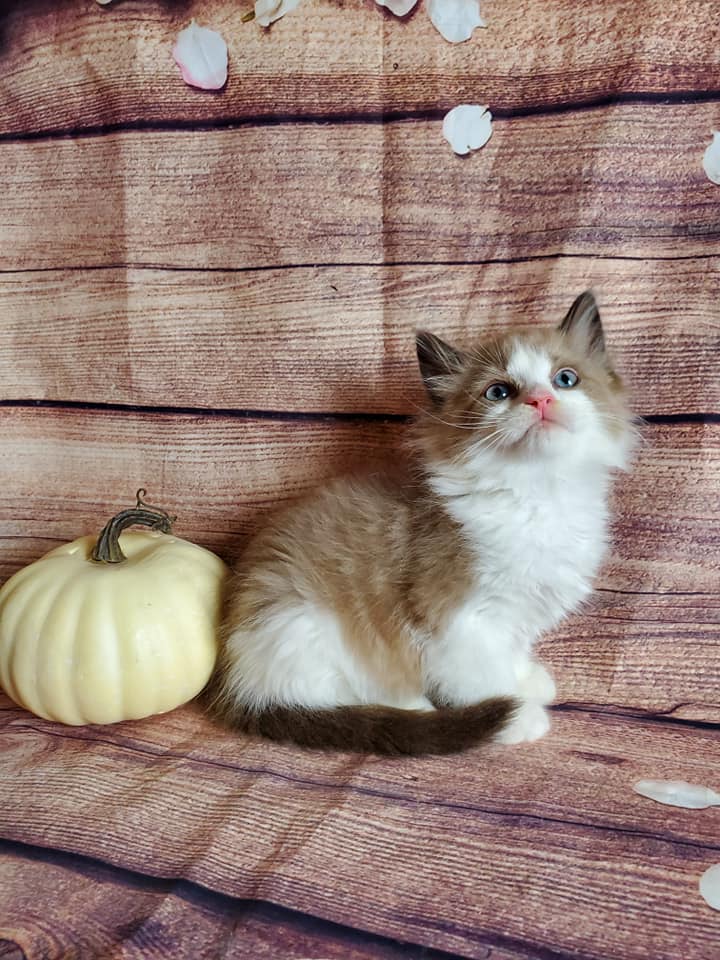
Vet Checks and Evidence for Ragdoll Kitten Health
Buying a purebred kitten in Australia can mean comparing breeders, classified ads and pet shops with unequal access to records. To verify a cattery’s health testing practices, seek dated reports and veterinary notes rather than trusting “health tested” or a registration logo.
Ragdoll Kittens Cattery in Helena, Montana, is a small TICA-registered hobby cattery that raises kittens indoors and highlights screening for HCM, FIV, FeLV and feline heartworm disease. For buyers anywhere, each claim needs a date, method and source.
Sound evidence supports safer decisions, reveals inherited risks and lets the breeder explain abnormal findings. An independent Australian veterinary review then turns those records into practical care for the new kitten.
Comparing a breeder’s evidence
Compare the kitten’s identity and pedigree with the depth and date of its supporting records.
| Evidence to request | Strong sign | Warning sign |
|---|---|---|
| Cattery identity | Name, location and registration details that can be independently checked | Logo or “registered” claim alone |
| HCM screening | Dated DNA report for the kitten and parents, plus an examination plan | “DNA clear” without a report |
| FIV and FeLV | Laboratory reports naming the test and status | Undated results or both viruses conflated |
| Heartworm care | Risk-based feline heartworm testing and prevention plan | Products listed without test history |
| Clinical records | Vaccination, deworming, weight and veterinary notes | Records withheld until payment |
Reports should match the kitten’s name or microchip, dates, parents and breeder identity. Ask whether a test applies to the kitten, both parents or a litter: testing the parents does not test their offspring.
Certificates listing every condition as cleared may be generic checklists. A credible breeder can explain why each test was needed and provide original veterinary or laboratory documents.
Questions that reveal a genuine testing process
Ask specific questions and compare each answer with the paperwork:
- Which laboratory performed each test, and when?
- May I see the kitten’s report before paying a deposit?
- Which veterinarian examined it, and what follow-up is planned?
- How are positive or inconclusive results handled?
A negative DNA result for the common Ragdoll HCM mutation lowers that genetic risk, but cannot exclude every cardiac condition. Examination or echocardiography may still be appropriate, with timing based on the kitten’s age.
Request the actual FIV and FeLV reports because assays and confirmation differ. FeLV needs prompt advice and precautions for resident cats; FIV generally requires long-term management rather than emergency assumptions.
Before paying, obtain a written contract covering identity, pedigree, vaccinations, collection, transport and remedies if records are missing. The Australian Consumer Law and the relevant state or territory consumer agency may add protection.
Understanding what the results mean
HCM results need clinical context. The Ragdoll mutation test is useful, but periodic heart assessments remain important because other causes of cardiomyopathy are possible. Ask how the breeder coordinates results with the kitten’s own examination and later echocardiograms.
FIV and FeLV are not interchangeable. FIV spreads mainly through deep bites; FeLV can spread through grooming, shared bowls and mating. A kitten joining other cats needs a veterinary plan based on confirmed results and infection-control advice.
Feline heartworm risk depends on location, travel, mosquito exposure and prevention, so testing should follow veterinary guidance. Environment also matters: understanding Ragdoll high-perching instincts helps owners supply stable perches and secure windows.
Australian law, travel and daily care
Animal welfare and cat-management rules come from each state or territory and are often administered by councils. Requirements for desexing, microchipping, registration and animal welfare differ across New South Wales, Victoria, Queensland, Western Australia and South Australia, so local compliance does not automatically cover another jurisdiction.
Federal biosecurity adds another layer. The Biosecurity Act 2015 and BICON govern imports, while interstate movement can involve health certification and vector controls. Moving a kitten from Montana to Australia is a specialised import process, not ordinary pet transport.
In Sydney, Melbourne, Brisbane and Perth, many cats live indoors with window perches, screened balconies and year-round parasite prevention. These habits shape exposure risks and make secure high-rise living important. Regional families can ask a local practice about mobile veterinary advice when clinic travel is difficult.
Australian buyers encounter registered breeders, pet shops, rescues and classified sellers with different standards. A higher price may reflect genuine testing and clinical care, but independent veterinary review, transparent records and sensible prevention remain the dependable measures.
Checking credentials without relying on labels
TICA or another registration body can confirm identity, but not certify every kitten’s health. Ask for the exact breeder name and registration details, then check them through the organisation’s listings. Accountability is useful; medical evidence is still essential.
A small family cattery may reasonably operate as a hobby breeder. Daily handling, clean indoor facilities and limited annual availability can be positives if its medical records are equally strong. A larger cattery with excellent records may still be preferable.
Request photographs, a live video tour and customer references. An unusual deadline, payment pressure, hidden parentage or refusal to share veterinary records are reasons to pause. Responsible breeders explain testing costs and abnormal results without treating questions as an attack.
Preparing for the kitten’s first days at home
Before collection, arrange an independent Australian veterinary appointment and bring:
- Health and vaccination records with dates
- Laboratory reports and the pedigree
- A booking within 48 hours of arrival
- A written parasite and preventive-care plan
Prepare a quiet room, secure windows, a covered litter tray, food, water and a stable perch. Ask the veterinarian whether temporary separation from resident cats is necessary while the kitten’s status and stress are assessed.
Register the microchip and meet local council requirements, then continue preventive care. The practical takeaway is a two-part standard: dated, matching health evidence before payment and an independent veterinary review within 48 hours of arrival.