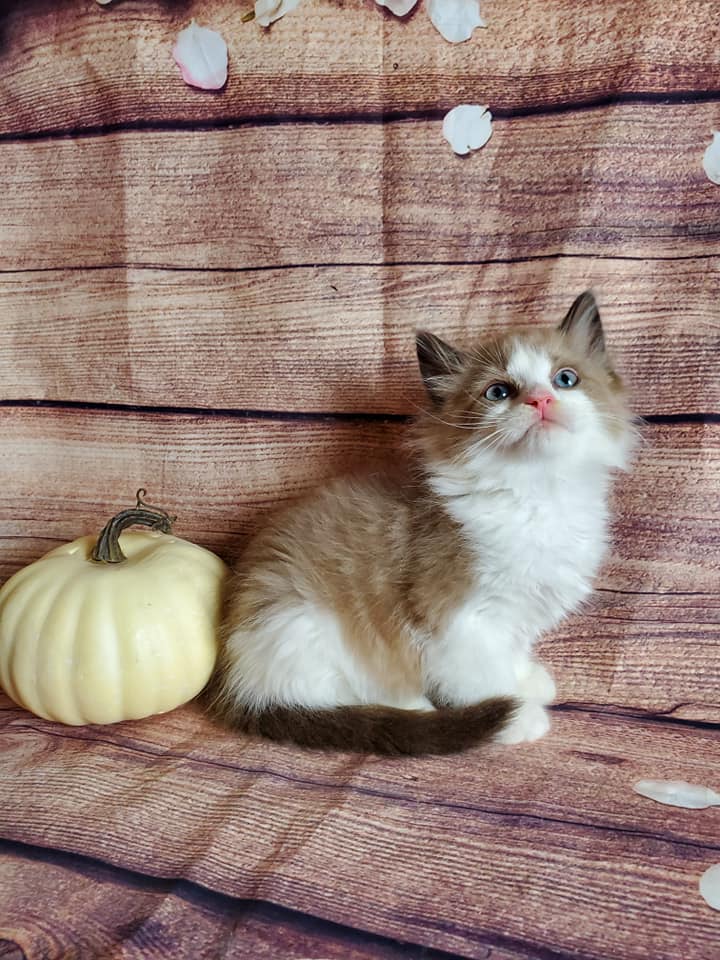
A Gentle Start for Your New Ragdoll Kitten
Bringing a Ragdoll kitten into a home with cats, dogs, or other animals works best when the first days are calm and carefully planned. Ragdolls are generally gentle and people-oriented, but a friendly temperament does not remove the need for gradual introductions. Every resident pet has its own history, energy level, and response to change.
A young kitten also has much to learn about household boundaries. New smells, unfamiliar sounds, and larger animals can feel overwhelming when experienced all at once. Giving the kitten a secure base while allowing resident pets to adjust at their own pace can establish a more peaceful relationship.
Families considering available Ragdoll kittens should ask about the kitten’s socialization, daily handling, health records, and experience around other animals. Information from the cattery can help you prepare a transition that fits the kitten’s personality.
Prepare the home before arrival
Set up a quiet starter room before bringing the kitten home. This space should include food and water bowls, a litter box, a scratching post, comfortable bedding, hiding areas, and age-appropriate toys. Keep food and the litter box separated, and make sure windows, vents, cords, and small openings are secure.
The starter room gives the kitten time to recover from travel and become familiar with new household scents. It also prevents an accidental chase during the first hours. Resident pets can investigate the closed door without having direct access, while the kitten gains confidence in a controlled environment.
Arrange a veterinary appointment soon after arrival, particularly if the kitten will live with other animals. Review vaccination records, parasite prevention, and any health screening provided by the breeder. A healthy introduction protects the kitten and helps safeguard resident pets.
Begin with scent and sound
Scent exchange is one of the gentlest ways to begin pet introductions. Rub a soft cloth over the kitten’s cheeks and place it near a resident pet’s resting area. You can also offer the kitten bedding carrying the household pet’s scent. Avoid forcing either animal to approach the item; curiosity should develop naturally.
Feed pets on opposite sides of the closed starter-room door. Start with bowls far enough away that everyone remains relaxed, then move them closer over several meals if there is no hissing, barking, growling, or refusal to eat. This pairs the other animal’s presence with something pleasant.
Allow brief exposure to ordinary household sounds as well. Normal conversation, footsteps, and distant play help the kitten adjust without making the environment chaotic. Keep volume and activity moderate during the first few days.
Use slow, supervised meetings
When the animals are calm near the closed door, introduce visual contact through a baby gate, screen door, or slightly opened doorway. Keep the kitten’s first viewing brief and offer treats or gentle praise for relaxed behavior. End the session while it is still going well rather than waiting for tension to rise.
For a dog, use a leash and ask for calm behaviors such as sitting or looking away. The kitten should have an elevated escape route and a nearby hiding place. Never allow a dog to rush, corner, paw at, or repeatedly sniff the kitten, even if the dog appears playful.
Cat-to-cat introductions may progress through a gate or carrier, followed by short face-to-face sessions. Do not hold one cat in place for the other to inspect. Give both animals freedom to retreat, and continue separating them whenever direct supervision is unavailable.
Match the plan to each resident pet
A confident adult cat may accept a kitten quickly, while a senior cat may need weeks to tolerate the newcomer. Dogs with a strong chase instinct require especially careful management. Small pets such as rabbits, guinea pigs, birds, and reptiles should remain protected from direct contact, since a kitten’s hunting behavior can emerge during play.
| Resident pet | Helpful first step | Important safeguard |
|---|---|---|
| Adult cat | Exchange bedding and use a gate for visual contact | Provide separate litter, food, and resting areas |
| Senior or anxious cat | Keep sessions very short and offer extra retreat spaces | Protect established routines and quiet zones |
| Calm dog | Practice leash control before the kitten arrives | Prevent chasing, barking, and unsupervised access |
| High-energy dog | Exercise first and use a secure barrier | Continue separation until calm behavior is reliable |
| Small caged pet | Keep the enclosure in a secure, low-access location | Do not allow direct interaction |
Watch body language rather than relying on silence alone. A cat that freezes, flattens its ears, or hides for long periods needs more distance. A dog that stiffens, stares, lunges, or cannot respond to its handler is not ready for closer contact.
Build positive household routines
Keep meals, playtime, and rest predictable. Separate feeding stations reduce competition, while multiple water sources and litter boxes help prevent resource guarding. For multi-cat homes, provide at least one litter box per cat plus an additional box when possible.
Interactive play can help a resident cat or dog release energy before a meeting. Use wand toys for the kitten rather than hands, and reward gentle behavior around the other pet. Short, successful interactions are more valuable than long sessions that end in fear or pursuit.
Continue giving resident animals individual attention. Jealousy and stress can increase when a new kitten receives all the household’s focus. Maintaining familiar walks, cuddling, grooming, and play helps existing pets feel secure while the new relationship develops.
Practical steps for a peaceful introduction
Use these habits throughout the adjustment period:
- Keep the kitten separated whenever an adult is not actively supervising.
- Provide vertical spaces, hiding places, and more than one route away from a meeting area.
- Reward calm looking, sniffing, sitting, and walking away instead of encouraging intense attention.
- Avoid punishment for hissing, growling, or retreating, since these behaviors communicate discomfort.
- Slow down immediately if any animal stops eating, develops litter-box problems, or shows persistent fear or aggression.
Progress is measured by relaxed behavior, not by how quickly animals share a room. Some pets may become playmates, while others simply learn to coexist comfortably. Both outcomes can represent a successful introduction when each animal feels safe.
Give the new Ragdoll kitten time, patience, and consistent supervision as household relationships take shape. Contact Ragdoll Kittens Cattery to discuss kitten temperament, preparation, and a responsible adoption plan for your family.