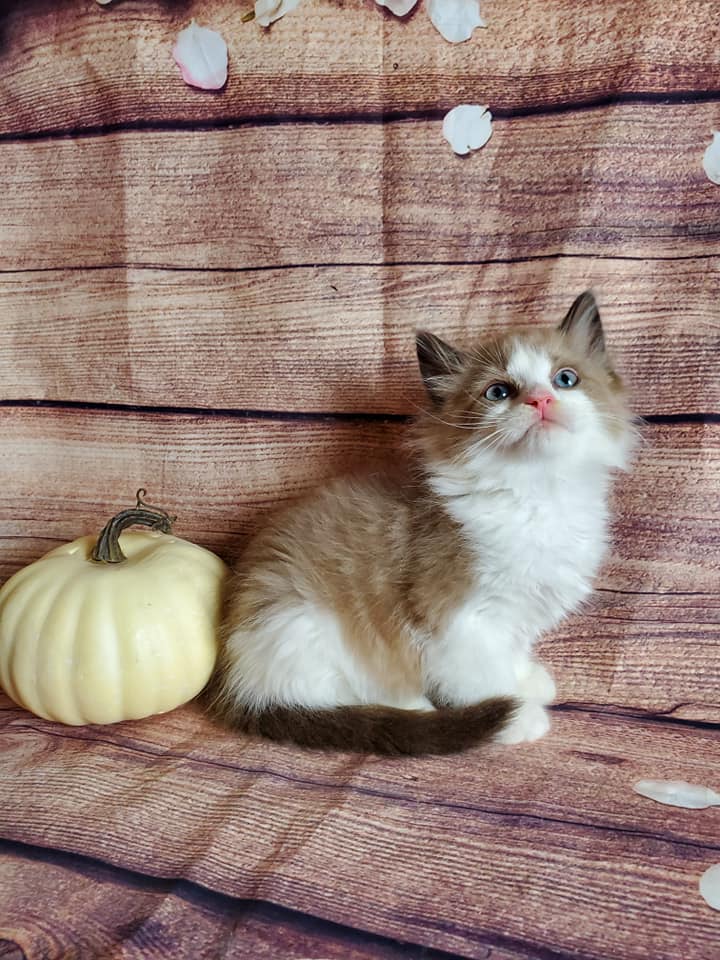
Preparing Your Home for a Ragdoll Kitten
Bringing home a Ragdoll kitten is an exciting step, especially when you have prepared a calm, safe space before arrival. These gentle, people-oriented cats thrive in a family environment, but their trusting nature means they may investigate hazards without recognizing the risks.
A room-by-room safety check helps you remove dangers, organize essential supplies, and create predictable places for eating, sleeping, scratching, and using the litter box. A prepared home also makes the first few days less stressful for both the kitten and your family.
Ragdolls grow into large, relaxed cats with soft coats and affectionate personalities. Their kitten area should provide room to explore while still allowing you to supervise play, feeding, and litter habits.
Before Your Kitten Arrives
Choose a quiet starter area where your new kitten can settle for the first few days. A spare bedroom, office, or sectioned-off family room works well. Keep the door closed or use a secure gate so the kitten can adjust gradually rather than facing the entire home at once.
Place food and water away from the litter box, and provide a comfortable bed, washable blanket, scratching surface, and a few age-appropriate toys. Remove small objects that could be swallowed, including rubber bands, hair ties, craft supplies, and loose children’s toys.
Check every window screen, vent cover, and door latch. Ragdoll kittens are curious and can slip through surprisingly small openings. Keep identification and veterinary records accessible, and confirm that the kitten’s microchip, vaccination, and health information will travel with you from the cattery.
Entryway And Hallways
The entryway deserves special attention because it is where an indoor kitten could escape. Make a habit of closing the exterior door before opening the carrier. Ask family members and visitors to watch their footing and avoid leaving doors propped open.
Keep shoes, coats, bags, and umbrellas off the floor when possible. Small decorations, dangling straps, and outdoor debris can become tempting toys. Store cleaning products, ice-melt chemicals, and pest-control items in a closed cabinet rather than near the entrance.
Hallways should remain free of unstable objects that could topple during play. Secure tall mirrors, coat racks, and narrow shelving. If your kitten will have access to stairs, check the balusters and gaps, and use a temporary barrier where a fall or escape could occur.
Living Room And Family Spaces
The living room will often become the center of your Ragdoll’s social life. Set up a scratching post, low climbing furniture, and a soft resting place near the family, while leaving a retreat where the kitten can nap undisturbed.
Secure electrical cords behind furniture or inside cord covers. Tie up blind cords, anchor bookcases and televisions, and check reclining chairs before sitting down. Houseplants should be identified carefully; lilies are especially dangerous to cats, while other plants may cause stomach upset or poisoning.
Use this checklist to match each space with its primary preparation:
| Area | Main Safety Check | Helpful Setup |
|---|---|---|
| Entryway | Secure doors and remove outdoor chemicals | Carrier station and closed storage |
| Living room | Cover cords and anchor furniture | Scratching post, toys, and a quiet bed |
| Kitchen | Lock food, cleaners, and waste bins | Separate feeding station |
| Bedroom | Remove loose strings and medications | Soft sleep area and night light |
| Bathroom or laundry | Close toilet lids and appliances | Litter box in a quiet, accessible spot |
Keep interactive toys available, but put away wand toys with strings after playtime. A Ragdoll may carry or chase them enthusiastically, and supervised play prevents chewing or tangling.
Kitchen And Dining Area
The kitchen contains many hazards that are easy to overlook. Store chocolate, onions, garlic, grapes, raisins, alcohol, caffeine, and raw dough securely. Keep food scraps in a lidded bin, and do not allow a kitten to investigate hot stovetops, open ovens, or unattended pans.
Cabinet doors should close firmly, particularly those containing detergents, dishwasher pods, medications, or sharp utensils. Check beneath the sink for leaks and chemical residues. A childproof latch may be useful if your kitten learns to open lower cabinets.
Place the feeding station in a low-traffic area away from appliances and litter. Stainless steel or ceramic bowls are easy to clean, and fresh water should be available every day. Some families prefer a water fountain, but it should be introduced gradually and cleaned regularly.
Bedroom And Bathroom
Bedrooms offer comfort but also contain strings, jewelry, medications, and charging cables. Store pills in a closed drawer, keep hair ties and sewing items out of reach, and check laundry baskets before washing clothes. A kitten can hide inside blankets, closets, or dresser drawers, so inspect these spaces before closing them.
Provide a small bed or blanket near your own sleeping area if you want the kitten nearby at night. Ragdolls often enjoy companionship, but allow the kitten to sleep safely on the floor or in a designated bed until it is large enough to avoid being accidentally trapped in bedding.
In the bathroom, keep toilet lids down and secure razors, cotton swabs, cosmetics, and cleaning products. Close the washer and dryer doors, and inspect both appliances before use. Laundry rooms should have good ventilation and a stable litter box location away from loud machines.
Essential Supplies To Place First
Having supplies ready prevents rushed shopping during the kitten’s first days. Choose products suited to a growing, long-haired cat and use the food recommended by the breeder at first to reduce digestive upset.
- A sturdy carrier large enough for growth and safe travel
- Unscented litter, a low-sided litter box, and a scoop
- Complete kitten food, stainless steel or ceramic bowls, and fresh water
- A soft bed, washable blankets, scratching posts, and safe toys
- A slicker brush or kitten-safe grooming tool, nail clippers, and enzymatic cleaner
Keep the litter box easy to reach but separate from food and sleeping areas. Begin with the same litter type used by the cattery when possible, then make any change gradually. Scoop frequently, because a clean box encourages reliable litter habits.
Daily handling, gentle grooming, and short play sessions help build trust. Ragdoll kittens raised in a family setting may already be accustomed to household sounds, but they still benefit from quiet introductions to vacuum cleaners, visitors, children, and other pets.
Final Safety Check
Walk through each room from a kitten’s perspective. Look under furniture, behind appliances, inside closets, and along baseboards for gaps, loose threads, or objects that could be chewed. Confirm that windows are locked, screens are firmly attached, and every household member knows which doors and cabinets must stay closed.
Schedule a veterinary appointment according to the breeder’s guidance and keep health records organized. Ask about vaccination timing, parasite prevention, nutrition, grooming, and signs that require prompt care. Health screening information from a responsible cattery, including testing related to HCM, FIV, FeLV, and feline heartworm disease, is an important part of your kitten’s records.
When your home is secure and welcoming, your Ragdoll can focus on settling in, forming bonds, and exploring at a comfortable pace. Ragdoll Kittens Cattery in Helena, Montana, raises purebred kittens indoors in a cage-free family environment and offers limited kittens for loving homes and therapy companionship. Review the adoption information and prepare your home for a healthy, affectionate new family member.