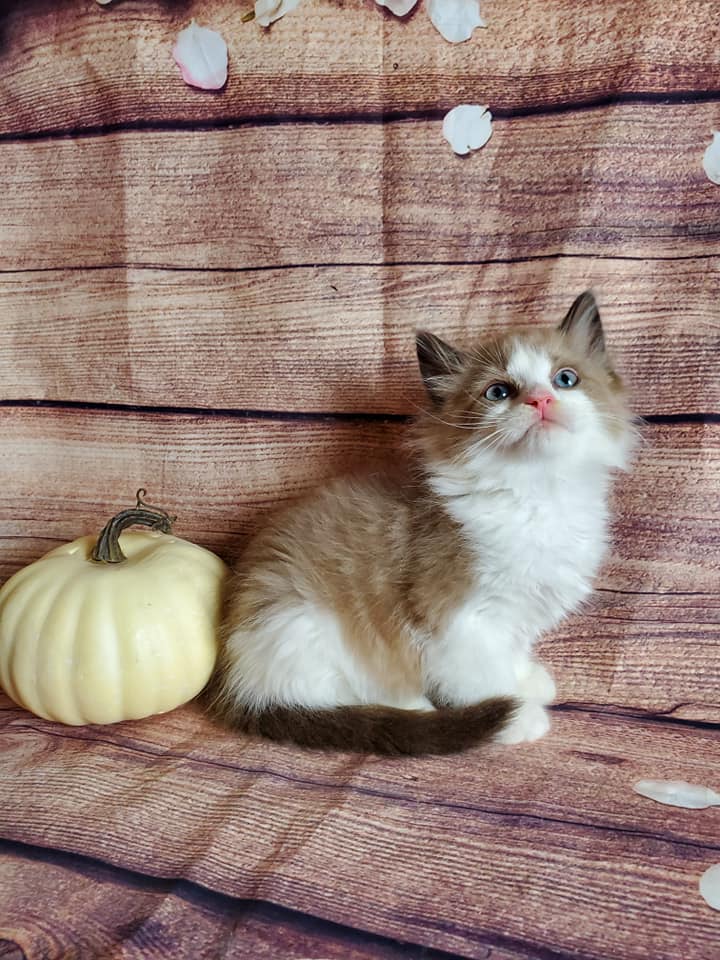
A Practical Grooming Kit for Your Ragdoll Cat
Ragdoll cats are known for their silky, semi-long coats, gentle personalities, and striking color patterns. Their fur is soft rather than heavily woolly, but it can still develop tangles around the neck, behind the legs, under the arms, and along the belly. A thoughtful grooming kit helps keep the coat comfortable, clean, and beautiful.
Regular grooming also gives you a chance to check your cat’s skin, paws, ears, and overall condition. When grooming becomes a calm part of family life, a Ragdoll is more likely to accept brushing, nail care, and occasional bathing without stress.
At Ragdoll Kittens Cattery in Helena, Montana, kittens are raised indoors in a cage-free family environment and handled daily. That early, gentle interaction can make future care easier, especially when owners continue using positive, patient techniques at home.
Why Ragdolls Need Regular Grooming
Ragdolls usually have a single coat with a soft texture and a light ruff around the neck. They may shed more during seasonal changes, and loose hair can collect in areas where the cat moves or curls up. Brushing removes dead fur before it becomes part of a hairball or a compacted mat.
Grooming is also a preventive health habit. While brushing, look for redness, scabs, fleas, dry skin, or areas your cat suddenly avoids being touched. A coat that becomes greasy, tangled, or unusually thin may deserve attention from a veterinarian.
The Brushes That Do the Most Work
A soft or medium-pin slicker brush is a useful everyday tool for a Ragdoll. Choose one with flexible pins and rounded tips rather than sharp, rigid wires. Work in small sections, brushing in the direction of hair growth and using light strokes over sensitive areas.
A grooming glove can help with loose surface hair, especially if your cat dislikes traditional brushes. It is less effective for reaching through the full coat, so it works best as a finishing tool rather than a replacement for a proper brush. A wide-tooth comb can then check whether the fur is smooth from the skin outward.
Combs, Detanglers, and Mat Care
A stainless-steel greyhound-style comb is one of the most valuable additions to a long-haired cat grooming kit. Its wider teeth can move through the ruff, sides, and tail, while a finer section can identify small tangles. If the comb stops, avoid pulling; separate the fur gently with your fingers.
Small mats should be addressed early. A cat-safe detangling spray may help loosen minor knots, but never use human hair products or essential oils. Avoid cutting close to the skin with household scissors, since feline skin is delicate and can easily be pulled into the blades. Persistent or tight mats are best handled by a professional groomer or veterinarian.
Bathing and Nail Care Essentials
Most Ragdolls do not need frequent baths if they receive consistent brushing. When bathing is appropriate, use a fragrance-free shampoo made specifically for cats. Human shampoo can irritate the skin and disrupt its natural balance. A nonslip bath mat, plastic cup, and absorbent microfiber towels can make the process faster and safer.
Nail care should be part of the routine even for indoor cats. Use small cat nail clippers and trim only the transparent tip, staying well away from the pink quick. A scratching post or cardboard scratcher supports natural nail maintenance, but it does not always replace occasional trimming.
Comparing Essential Grooming Tools
The best kit does not need to be large. Each item should have a clear purpose and feel comfortable in your hand. Avoid tools marketed for aggressive shedding unless a veterinary professional recommends them, since excessive stripping can damage a Ragdoll’s soft coat.
| Tool | Main Use | How Often | Selection Tip |
|---|---|---|---|
| Soft-pin slicker brush | Removes loose fur and smooths the coat | Several times weekly | Choose flexible, rounded pins |
| Stainless-steel comb | Finds tangles and checks the coat near the skin | Weekly | Use wide teeth for the ruff and tail |
| Grooming glove | Collects surface shedding | As needed | Pick a soft, washable material |
| Cat nail clippers | Shortens sharp nail tips | Every few weeks | Select a small, easy-grip design |
| Cat shampoo | Cleans the coat during an occasional bath | Only when needed | Use a gentle, feline-specific formula |
| Microfiber towels | Dries the coat after bathing | After each bath | Keep several within reach |
| Flea comb | Checks for fleas and debris | During inspections | Use around the neck and tail base |
Choosing Safe, Comfortable Tools
Quality matters more than a crowded grooming drawer. Brush pins should be smooth, comb teeth should have no rough edges, and nail clippers should open and close cleanly. Wash brushes regularly to remove oil, dander, and loose hair, and replace any tool that becomes bent or rusty.
Your cat’s response is an important guide. Begin with a few calm strokes, reward cooperation, and stop before your Ragdoll becomes frustrated. Avoid restraining the cat forcefully or turning grooming into a struggle. A quiet room, steady routine, and favorite treats can build trust over time.
Create a Routine Your Cat Enjoys
Short sessions are usually more successful than infrequent, lengthy grooming appointments. Start with the shoulders and back, where many cats are comfortable being touched, then gradually work toward the ruff, legs, belly, and tail. Check behind the ears and front legs carefully because tangles can hide in these areas.
A practical routine may include a quick brush every few days, a full comb-through once a week, nail inspection every week, and a bath only when the coat truly needs washing. Long-haired kittens should learn these habits gradually, with plenty of praise and breaks.
A Simple Kit Checklist
- Soft-pin slicker brush for routine coat care
- Stainless-steel comb for tangles and deeper inspection
- Cat nail clippers and a scratching surface
- Feline shampoo, microfiber towels, and a nonslip bath mat
- Flea comb and a small container for cleaning used tools
A well-prepared grooming kit supports the health and comfort of your Ragdoll throughout every life stage. If you are preparing for a Ragdoll kitten, contact Ragdoll Kittens Cattery to learn about available kittens, family-raised care, health screening, and the supplies that can help your new companion settle in confidently.