Ragdoll Cat Health Insurance: Is It Worth the Investment?
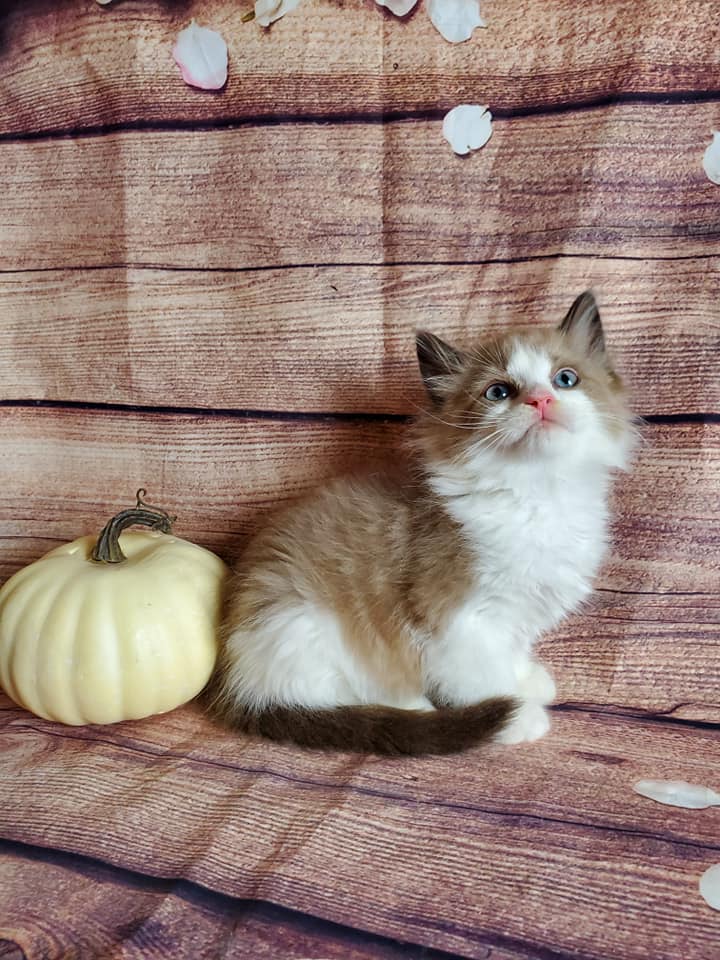
Ragdoll cats are known for their gentle temperaments, striking blue eyes, and affectionate personalities. Their calm nature makes them wonderful companions and, in some cases, suitable therapy cats. Like every breed, however, Ragdolls can develop health problems that require diagnostic testing, medication, or ongoing veterinary care.
Pet insurance can help manage the financial impact of unexpected illness or injury. Whether it is a worthwhile investment depends on your kitten’s age, your emergency savings, the policy’s exclusions, and the level of protection you want for your companion.
At Ragdoll Kittens Cattery, kittens are raised indoors in a cage-free family environment and handled daily for socialization. Health screening, including testing related to HCM, FIV, FeLV, and feline heartworm disease, supports responsible placement, but routine veterinary care and future health planning remain important after adoption.
Why Ragdolls May Benefit From Coverage
Ragdolls are generally considered a robust breed, yet they may have inherited or breed-associated health risks. Hypertrophic cardiomyopathy, commonly called HCM, is one concern. This condition affects the heart muscle and may require echocardiograms, specialist consultations, medication, and long-term monitoring.
A health-conscious breeder can reduce risk through genetic screening and careful breeding decisions, but no screening program can guarantee that a cat will never become ill. Insurance may provide financial support if a covered condition appears after enrollment and the waiting period has passed.
Ragdolls can also experience ordinary feline problems such as dental disease, urinary conditions, gastrointestinal illness, allergies, injuries, or infections. Their large size and indoor lifestyle do not eliminate the possibility of accidents or sudden medical emergencies.
What Pet Insurance Usually Covers
Most cat insurance policies are designed primarily for unexpected accidents and illnesses. Depending on the plan, eligible expenses may include examinations, blood work, imaging, surgery, hospitalization, prescription medication, and specialist treatment.
Some providers offer optional wellness packages that contribute toward vaccinations, parasite prevention, microchipping, dental cleaning, or annual examinations. These add-ons are different from accident-and-illness coverage and may have annual limits that make them less valuable for families already budgeting for routine care.
| Coverage Feature | Why It Matters for a Ragdoll Cat |
|---|---|
| Accident coverage | Helps with injuries, falls, foreign-body ingestion, or emergency trauma |
| Illness coverage | May assist with treatment for cardiac, urinary, digestive, or other conditions |
| Hereditary condition coverage | Important for breed-related concerns when terms allow it |
| Specialist care | Useful if a cardiologist, surgeon, or internal medicine specialist is needed |
| Prescription coverage | Can reduce the cost of recurring medications |
| Wellness option | May offset selected preventive-care expenses |
| Annual or lifetime limits | Determines how much protection remains during serious or chronic illness |
Common Exclusions And Limitations
Pre-existing conditions are one of the most important exclusions. If a symptom, diagnosis, or related veterinary note appears before enrollment or during the waiting period, future claims connected to that condition may be denied. Ask how the insurer defines a pre-existing condition and whether curable conditions can ever be reconsidered.
Some plans exclude hereditary or congenital conditions, while others cover them only if the cat is enrolled young and has no documented symptoms. HCM coverage, in particular, should be reviewed carefully. A policy may cover treatment after a diagnosis but exclude screening echocardiograms or routine monitoring.
Deductibles, reimbursement percentages, annual maximums, and bilateral-condition rules can significantly affect your actual benefit. A low monthly premium may come with a high deductible or limited reimbursement, so the policy price alone does not show its value.
How To Compare Ragdoll Cat Insurance
Start by checking whether the insurer covers hereditary and congenital conditions for cats. Confirm the age limits, waiting periods, claim procedures, examination-fee coverage, prescription benefits, and rules for specialist care. Written policy documents are more reliable than general promotional language.
Compare plans using the same assumptions. For example, review a $250 deductible with 80% reimbursement against another policy with a $500 deductible and 90% reimbursement. Also check whether the deductible applies annually, per condition, or per incident.
A policy that allows you to use any licensed veterinarian may be useful in Montana, particularly if advanced feline care requires travel to a larger regional clinic. Ask whether emergency hospitals, veterinary cardiologists, and out-of-state providers are eligible for reimbursement.
The Financial Value Of A Policy
The value of insurance is clearest when a cat develops an expensive problem early in life. Surgery, hospitalization, advanced imaging, and cardiac treatment can cost thousands of dollars. Insurance may reduce the amount you must pay at once, although you will still be responsible for premiums, deductibles, excluded services, and the non-reimbursed portion.
For healthy cats that need only routine examinations, vaccinations, parasite prevention, and occasional minor treatment, insurance may cost more than the claims paid over a typical year. It can still be worthwhile as protection against a large, unexpected bill rather than as a way to save money on ordinary veterinary care.
Your emergency fund matters too. Families with substantial savings may prefer to self-insure, while others may value predictable monthly premiums. A good decision balances affordability with the level of care you would want if your Ragdoll needed urgent treatment.
Choosing Coverage For A New Kitten
Enrollment soon after adoption can help reduce the chance that early symptoms become classified as pre-existing. Keep copies of the kitten’s health records, vaccination history, genetic screening information, and veterinary examination. These documents may be requested during underwriting or claims review.
Ask the cattery about the health guarantee and understand how it differs from pet insurance. A breeder guarantee may address specific inherited conditions for a limited period, while insurance is an ongoing contract with its own exclusions and reimbursement rules.
Review the policy annually, especially if premiums change or your cat develops a new diagnosis. Changing insurers later may cause an established condition to be excluded, so switching plans requires careful consideration.
Practical Steps Before Selecting A Plan
A thoughtful comparison can make insurance easier to evaluate:
- Request sample policy documents rather than relying only on online estimates.
- Confirm coverage for hereditary conditions, cardiac care, diagnostics, medications, and specialist visits.
- Calculate the likely yearly cost of premiums, deductibles, and co-insurance.
- Check whether the plan reimburses examination fees and has reasonable annual limits.
- Enroll while your kitten is healthy and retain all veterinary records.
For many Ragdoll owners, insurance is worthwhile because it protects access to treatment when an unexpected diagnosis arises. It is less useful as a routine-care discount, and it should complement—not replace—preventive veterinary visits, nutrition, dental care, and regular observation at home.
When bringing home a Ragdoll kitten from a responsible, health-focused cattery, use the available health information as a starting point for lifelong planning. Compare coverage carefully, enroll promptly if insurance fits your budget, and keep your kitten’s records organized from the first veterinary visit.