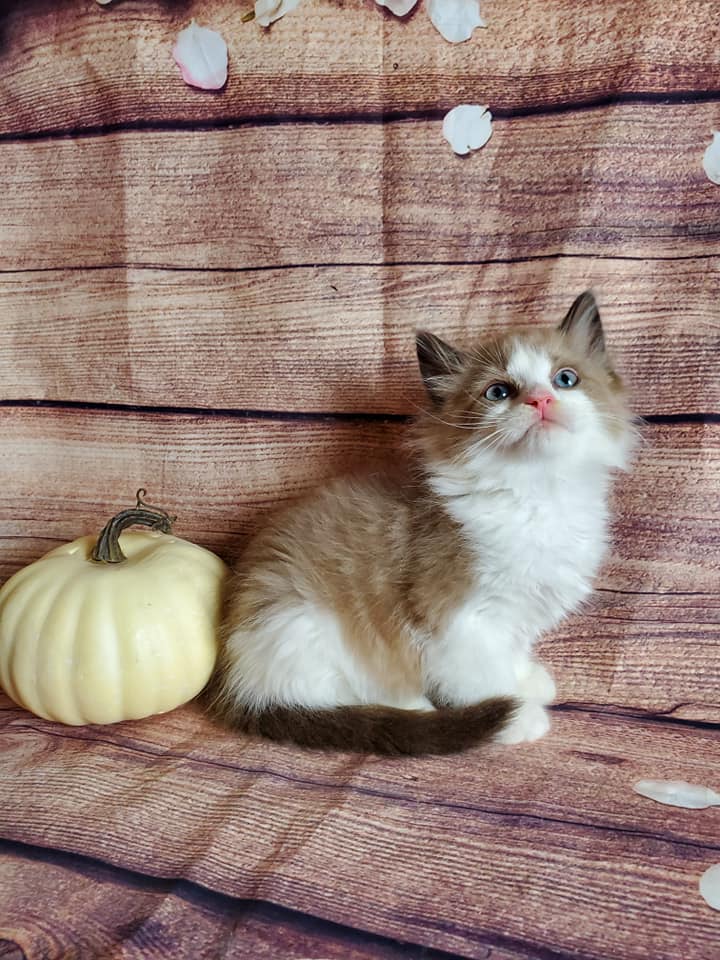
Ragdoll Cat Intelligence And Tricks You Can Teach
Ragdoll cats are known for their gentle personalities, striking blue eyes, and relaxed approach to family life. They are also observant, adaptable, and capable of learning much more than many people expect. With patient training, a Ragdoll can learn useful routines, playful tricks, and simple cues that strengthen the bond between cat and owner.
Their intelligence tends to appear as quiet problem-solving rather than constant activity. A Ragdoll may study a treat puzzle, watch how a door opens, or learn the household schedule before deciding to participate. Because they usually enjoy companionship, they often respond especially well to calm, reward-based lessons.
At Ragdoll Kittens Cattery, kittens are raised indoors in a cage-free family environment and handled daily. This early socialization can help a kitten become comfortable with people, new sounds, and gentle guidance. Training should still be tailored to each cat’s personality, age, and energy level.
How Ragdolls Learn Best
Ragdolls are often motivated by food, praise, play, and attention. A small, soft treat can make a lesson appealing, while a favorite toy may work better for a cat that is less interested in snacks. The goal is to discover what your individual cat values and use it consistently.
Short sessions are more effective than lengthy practice. Begin in a quiet room with few distractions, and reward the desired behavior immediately. A clear marker word such as “yes” can help your cat connect the action with the reward.
Learning should feel safe and voluntary. Never force a paw into position, scold mistakes, or continue after your cat becomes frustrated. A relaxed posture, gentle curiosity, and willingness to return to the training area are useful signs that the experience is positive; additional signs of contentment can help owners read their cat’s mood.
Build Trust Before Teaching Tricks
A cat that trusts its person is more likely to focus and experiment. Start by rewarding simple behaviors your Ragdoll already offers, such as looking toward you, approaching when called, sitting quietly, or touching a hand with its nose. These easy wins create a foundation for more advanced cues.
Use the same word and hand signal each time. For example, say “touch” while presenting one finger, then reward a gentle nose tap. Once the behavior becomes reliable, practice in different rooms so your cat learns the cue rather than memorizing one location.
Training can also become part of daily care. Reward your kitten for calmly accepting a gentle brush, having paws handled, or entering a carrier. These practical skills support grooming, veterinary visits, and travel while giving your cat a predictable way to earn praise.
Tricks Worth Teaching
“Sit” is a good first trick because many cats naturally pause before receiving a treat. Hold the reward slightly above the nose and move it slowly back toward the head. When the cat’s bottom lowers, mark the moment and reward it, gradually adding the verbal cue.
“High five” can follow once your cat is comfortable lifting a paw. Place a treat just above the paw, mark any intentional reach, and slowly shape the movement into a touch against your open hand. Keep the height low at first so the action remains easy and comfortable.
You can also teach “come,” “target,” “spin,” and “jump up.” A target may be a small wand or your fingertip, allowing you to guide your cat safely onto a mat, stool, or scale. For a Ragdoll, controlled tricks are preferable to repeated high jumps because they encourage mental engagement without unnecessary strain.
A Practical Training Path
Different tricks require different levels of coordination and patience. The best sequence moves from a behavior your cat already offers to one that adds a small new challenge. Each step should be practiced until it is familiar before you add another cue.
| Trick | Main Skill | Helpful Reward | Approximate Starting Difficulty |
|---|---|---|---|
| Respond to name | Attention and recall | Treat or praise | Easy |
| Touch a target | Focus and movement | Small treat | Easy |
| Sit | Body position and impulse control | Treat | Easy to moderate |
| High five | Paw targeting | Treat or toy | Moderate |
| Spin | Following a lure | Treat | Moderate |
| Enter a carrier | Confidence and cooperation | Meal or special treat | Moderate |
Practice one or two behaviors at a time. A kitten may learn quickly but still have a short attention span, while an adult Ragdoll may prefer slower repetition. End while the cat is still interested, so the next session begins with a positive association.
Use Rewards That Matter
A training reward should be small enough that it does not replace a balanced diet. Break treats into tiny pieces or use a portion of the cat’s regular food. For highly food-motivated cats, practicing just before a meal can improve focus without creating excessive hunger.
Praise matters too. Some Ragdolls enjoy a soft voice, chin rub, or brief play session as much as a treat. Watch for the reward that produces relaxed engagement rather than frantic grabbing. If your cat walks away, flicks its tail sharply, or stops responding, pause and try again later.
Avoid punishment-based methods. Yelling, spraying water, or physically correcting a cat can damage trust and may make the cat avoid both the training area and the person involved. Positive reinforcement teaches the behavior you want while preserving the gentle relationship Ragdolls are known for.
Helpful Training Habits
- Keep lessons to about three to five minutes for young kittens and extend them only when the cat remains engaged.
- Use a quiet, slip-resistant surface so your Ragdoll can concentrate without feeling unstable.
- Give the reward within a second or two of the correct action.
- Practice at roughly the same time each day, but keep the routine flexible.
- End with an easy behavior your cat knows well, followed by praise.
Training should fit naturally into family life. Children can participate by delivering a treat after an adult gives the cue, provided they remain calm and supervised. This teaches the kitten that several household members can communicate kindly and consistently.
Puzzle feeders, cardboard boxes, clicker training, and scent games can add variety when formal tricks become repetitive. Mental stimulation is especially valuable for indoor cats, helping them use their natural curiosity in safe and constructive ways.
Match Lessons To Your Cat
Every Ragdoll has an individual learning style. One cat may eagerly perform a spin for treats, while another prefers target training or cooperative grooming exercises. Intelligence is not measured by how many tricks a cat performs; confidence, curiosity, and the ability to adapt are just as meaningful.
Health and comfort also influence attention. A kitten that is tired, uncomfortable, or overwhelmed will not learn well. Responsible breeders prioritize health screening, including testing related to HCM, FIV, FeLV, and feline heartworm disease, while owners should maintain regular veterinary care as their cat grows.
With kindness and consistency, trick training becomes more than entertainment. It gives a Ragdoll a chance to make choices, communicate with people, and receive rewarding attention. Begin with one simple cue, celebrate small progress, and contact Ragdoll Kittens Cattery to learn more about well-socialized kittens suited for loving homes or therapy work.