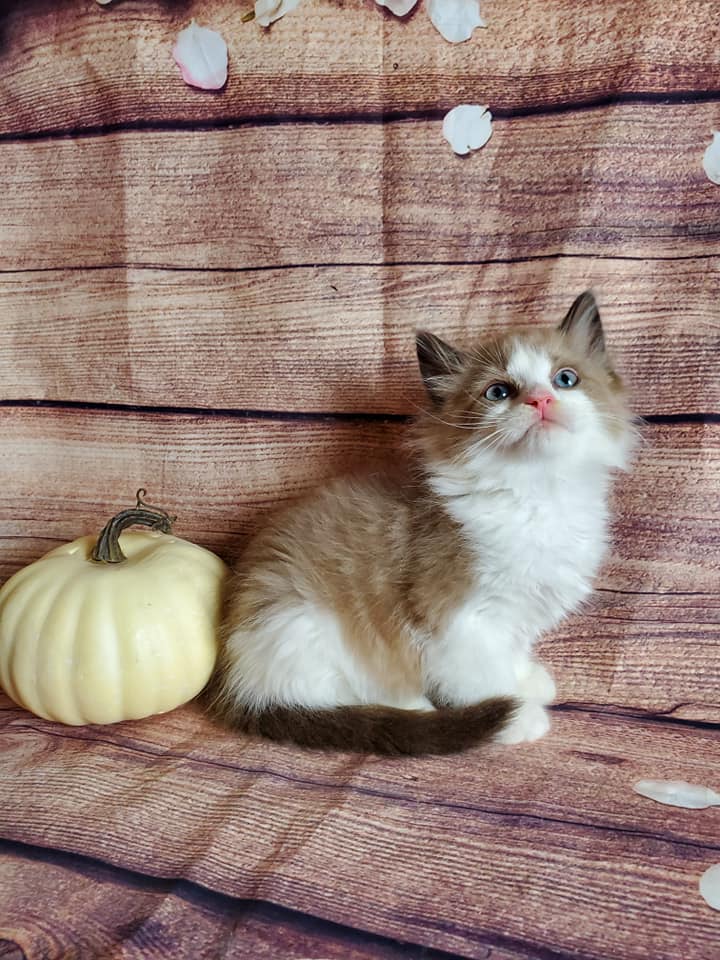
Ragdoll Cat Lifespan And How To Help Your Cat Live Longer
Ragdoll cats are known for their gentle temperament, striking blue eyes, and affectionate nature. With attentive care, a healthy Ragdoll may live approximately 12 to 17 years, while some reach their late teens. Genetics, preventive veterinary care, nutrition, activity, and the home environment all influence those years.
Understanding a Ragdoll’s needs early helps owners support long-term wellness rather than reacting only when a problem appears. Regular checkups, healthy body weight, dental care, and prompt attention to subtle behavior changes can make a meaningful difference throughout a cat’s life.
At Ragdoll Kittens Cattery in Helena, Montana, kittens are raised indoors in a cage-free family setting and handled daily. This early socialization helps prepare them for loving homes, where stable routines and positive human interaction can continue supporting their physical and emotional health.
Typical Lifespan Of A Ragdoll Cat
The average Ragdoll cat lifespan is often estimated at 12 to 17 years, although individual cats vary. A kitten from health-screened parents, kept at a healthy weight and examined regularly by a veterinarian, may have a better opportunity for a long and comfortable life.
Ragdolls mature slowly compared with many other breeds. They may continue developing for several years, so owners should follow age-appropriate feeding guidance rather than overfeeding during growth. Adult cats also need a routine that balances affection with exercise and mental stimulation.
Age-related changes can be gradual. Reduced jumping, altered grooming, changes in appetite, hiding, or increased thirst may signal discomfort or illness rather than “just getting older.” Recording normal habits makes it easier to notice meaningful changes.
Genetics And Responsible Breeding
Inherited health conditions are an important consideration when choosing a purebred kitten. Hypertrophic cardiomyopathy, commonly called HCM, is a heart disease that can affect cats, including Ragdolls. Responsible breeders use appropriate health screening and share relevant records with prospective families.
Ragdoll Kittens Cattery emphasizes testing and screening for HCM, FIV, FeLV, and feline heartworm disease. Health information cannot guarantee that a cat will never become ill, but it gives families valuable background and supports more informed veterinary care.
A kitten’s early environment matters as well. Daily handling, household sounds, gentle interaction, and safe social experiences can help build confidence. Families can see this type of routine in a kitten’s daily life, which illustrates how calm, consistent care begins before adoption.
Daily Habits That Support Longevity
A safe indoor lifestyle protects Ragdolls from traffic, predators, infectious disease, and many outdoor hazards. Indoor cats still need enrichment, including climbing areas, scratching posts, interactive toys, window views, and regular play with their people.
Ragdolls are social cats and may become stressed when they lack companionship or predictable interaction. Short play sessions several times a day can support muscle tone and healthy behavior. Rotating toys and using food puzzles can add mental stimulation without encouraging constant snacking.
Their semi-long coat also benefits from routine grooming. Brushing a few times each week can reduce mats and loose hair while giving owners an opportunity to check the skin, ears, paws, and body for unusual lumps or irritation.
Nutrition And Healthy Body Weight
A complete, balanced diet suited to the cat’s age is central to long-term health. Kittens, adults, and senior cats have different nutritional needs, and portions should be adjusted according to body condition, activity, and veterinary guidance.
Ragdolls are relatively large cats, so extra weight can place stress on joints and contribute to diabetes or other health concerns. Measuring meals, limiting treats, and monitoring weight regularly are practical ways to prevent gradual weight gain.
| Life stage | Helpful care focus | Signs to monitor |
|---|---|---|
| Kitten | Growth-appropriate food, vaccinations, socialization | Poor appetite, persistent diarrhea, slow growth |
| Adult | Portion control, dental care, daily activity | Weight gain, reduced play, changes in grooming |
| Senior | More frequent wellness checks, comfort support | Stiffness, confusion, thirst changes, weight loss |
Fresh water should be available every day. Some cats drink more readily from a fountain or wide bowl, while wet food can contribute to overall water intake. Any sudden change in drinking or urination deserves veterinary attention.
Preventive Veterinary Care
Routine examinations help detect problems before they become advanced. Vaccinations, parasite prevention, dental evaluations, and age-appropriate blood work should be discussed with a qualified veterinarian. The ideal schedule depends on the cat’s age, health history, and lifestyle.
Dental disease is common in cats and can cause pain even when they continue eating. Veterinary dental assessments, home brushing when tolerated, and approved dental products may help protect oral health. Never use human toothpaste, as some ingredients are unsafe for cats.
A wellness visit is also an opportunity to discuss heart health, reproductive status, nutrition, and behavior. For cats with a known family risk of HCM or other inherited conditions, the veterinarian may recommend additional monitoring or specialist evaluation.
Practical Ways To Protect A Longer Life
Small, consistent choices often have the greatest effect over time. Owners can support their Ragdoll by keeping medical records, maintaining a stable routine, and making the home comfortable for every stage of life.
Useful habits include:
- Schedule regular veterinary examinations and follow recommended preventive care.
- Weigh the cat periodically and adjust portions before excess weight becomes established.
- Provide daily play, scratching surfaces, climbing options, and quiet resting spaces.
- Brush the coat regularly and check the mouth, ears, paws, and skin.
- Seek veterinary advice promptly when appetite, breathing, bathroom habits, mobility, or behavior changes.
A senior Ragdoll may need easier access to food, water, litter boxes, and favorite sleeping areas. Low-sided litter boxes, steps or ramps, and warm beds can help preserve comfort without forcing the cat to give up familiar routines.
Choosing A Healthy Start
A long life begins with thoughtful selection and responsible preparation. Prospective families should ask about parent health screening, veterinary records, vaccinations, socialization, diet, and the kitten’s transition plan. A reputable cattery should also explain whether kittens are placed as pets, breeding cats, or potential therapy companions.
Ragdoll Kittens Cattery offers limited kittens for adoption and focuses on raising them as affectionate companions in a family environment. Families in Helena, Montana, and beyond can use the adoption process to consider temperament, household needs, and the ongoing responsibilities of purebred cat care.
Providing a secure home, attentive veterinary support, nutritious food, and steady companionship gives a Ragdoll the strongest foundation for a healthy future. Explore the available information and adoption resources at Ragdoll Kittens Cattery to take the next step toward welcoming a well-socialized companion into your family.