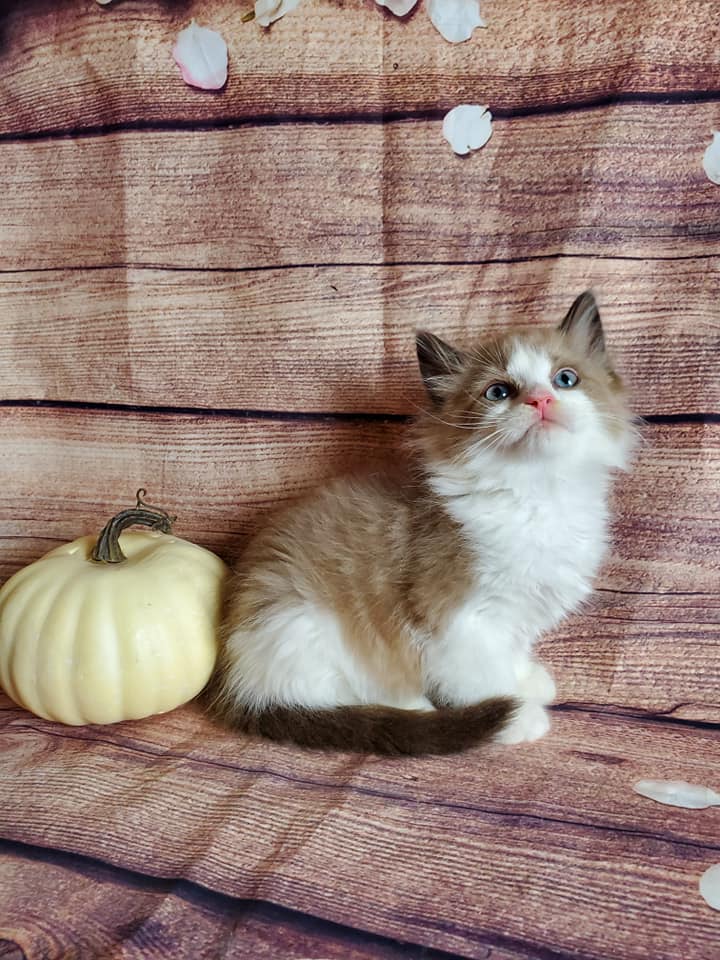
Ragdoll Cats and Children: Building a Safe, Loving Bond
Ragdoll cats are known for their gentle personalities, affectionate nature, and beautiful blue eyes. Their calm presence can make them wonderful companions for families, but a successful relationship with children depends on respectful handling, patient supervision, and realistic expectations.
A cat and child may become close friends, yet the bond develops at the animal’s pace. Children need guidance to recognize feline body language, give the kitten space, and interact with care. Adults remain responsible for protecting both the child and the cat during every stage of their relationship.
At Ragdoll Kittens Cattery in Helena, Montana, kittens are raised indoors in a cage-free family environment and handled daily. This early socialization helps kittens become familiar with normal household activity, although every Ragdoll has an individual temperament and comfort level.
Why Ragdolls Can Suit Family Life
Ragdolls often enjoy being near people and may follow family members from room to room. Many appreciate gentle attention, interactive play, and quiet companionship. Their easygoing reputation can make them a good match for households seeking a loving indoor pet.
A relaxed breed is still a living animal with boundaries. Some Ragdolls enjoy being held, while others prefer sitting beside a child rather than being carried. Children should never assume that a cat will tolerate chasing, squeezing, pulling, or forced cuddling.
The best family match combines the kitten’s personality with the child’s age, maturity, and ability to follow instructions. A calm, observant child may build trust quickly, while a more energetic child may need extra coaching and closely supervised visits.
Teaching Children Respectful Cat Communication
Children can learn to read a cat’s signals through simple examples. A relaxed Ragdoll may have soft eyes, a loose body, and ears facing naturally forward. A cat that turns away, flattens its ears, flicks its tail, hides, or gives a warning sound is asking for space.
Teach children to offer a hand for the kitten to sniff instead of reaching over the cat’s head. Gentle strokes along the shoulders and back are usually easier for a young cat to accept than touching the belly, paws, tail, or face. Interactions should stop when the kitten moves away.
Play should involve suitable toys rather than fingers or feet. Wand toys, soft balls, and supervised chase games provide exercise without teaching the kitten to bite hands. Children should also learn that sleeping, eating, using the litter box, and hiding are private activities.
Preparing for a Safe First Meeting
Before a Ragdoll kitten arrives, create a quiet retreat with food, water, a litter box, scratching surfaces, toys, and a comfortable bed. A child can help choose safe toys or read a care book, but adults should manage feeding, litter care, and veterinary appointments.
The first meeting should be calm and brief. Allow the kitten to explore at its own pace while the child sits quietly nearby. Avoid passing the kitten from person to person, crowding it, or encouraging loud excitement. Positive experiences repeated over time are more valuable than a long first visit.
Young children should interact with the kitten only when an adult is present. Even a friendly kitten may scratch or nip when startled, and a child may accidentally drop or injure a kitten by carrying it incorrectly. Children should sit on the floor for supervised petting and leave lifting to responsible older children or adults.
| Family situation | Helpful approach | Adult responsibility |
|---|---|---|
| Toddler in the home | Short, quiet petting sessions | Keep the kitten and child within arm’s reach |
| School-age child | Teach toy-based play and gentle handling | Monitor energy levels and end play before overstimulation |
| Older child | Encourage grooming, training, and routine care | Check that tasks are completed safely and consistently |
| Busy household | Provide a predictable quiet retreat | Protect rest periods and prevent unwanted handling |
| Child hoping for a therapy companion | Focus on temperament and steady socialization | Discuss suitability with the breeder and veterinary professionals |
Building Trust Through Daily Routines
Predictable routines help children understand how to care for a pet. Mealtimes, play sessions, grooming, and quiet companionship can become shared family activities. A child might refill a water bowl with supervision, toss a toy, or help identify when the kitten needs a break.
Grooming can support bonding when introduced gradually. Ragdolls have semi-long coats that benefit from regular brushing, and children can participate by holding a brush while an adult demonstrates gentle strokes. Stop if the kitten becomes restless, and keep sessions short and positive.
A child should never be responsible for the cat’s complete care. Adults must oversee nutrition, litter hygiene, parasite prevention, veterinary visits, and changes in behavior. Consistency protects the kitten’s welfare and teaches children that affection includes dependable care.
Family Practices That Protect the Bond
- Create a child-free retreat where the Ragdoll can sleep, hide, and relax undisturbed.
- Teach children to sit calmly, use quiet voices, and let the cat approach them.
- Supervise all handling, especially with toddlers and newly arrived kittens.
- Use toys for active play and keep hands away from biting games.
- Stop interaction when the cat shows stress, fatigue, or a desire to leave.
House rules should be simple enough for young children to remember. “Gentle hands,” “four paws stay on the floor,” and “let the cat come to you” provide clear guidance. Adults should model these behaviors consistently rather than expecting children to learn them after a single explanation.
Health, Socialization, and the Adoption Decision
A healthy start supports a kitten’s ability to adapt to family life. Responsible breeders consider genetic health, veterinary care, temperament, and early social experiences when placing kittens. Ragdoll Kittens Cattery emphasizes screening for HCM, FIV, FeLV, and feline heartworm disease, helping families make an informed decision about their new companion.
Health screening cannot guarantee that a cat will never become ill, and it does not replace ongoing veterinary care. Families should ask about health records, vaccination status, parasite prevention, registration, parentage, and the care a kitten has received before adoption.
Some Ragdolls may be suitable as therapy cats because of their temperament, but therapy potential depends on the individual cat’s confidence, tolerance, and willingness to engage. A kitten should first be welcomed as a cherished pet, without pressure to perform a particular role.
Growing Together Over Time
The relationship between a child and a Ragdoll often changes as both mature. A kitten may be playful and curious, while an adult cat may prefer longer periods of quiet companionship. Children who learn to respect those changes are more likely to maintain trust through every life stage.
Families in Helena and beyond can begin by learning about Ragdoll colors, markings, personality traits, health considerations, and adoption requirements. Contact Ragdoll Kittens Cattery to discuss available kittens, family routines, and whether a lovingly raised Ragdoll is the right companion for your household.