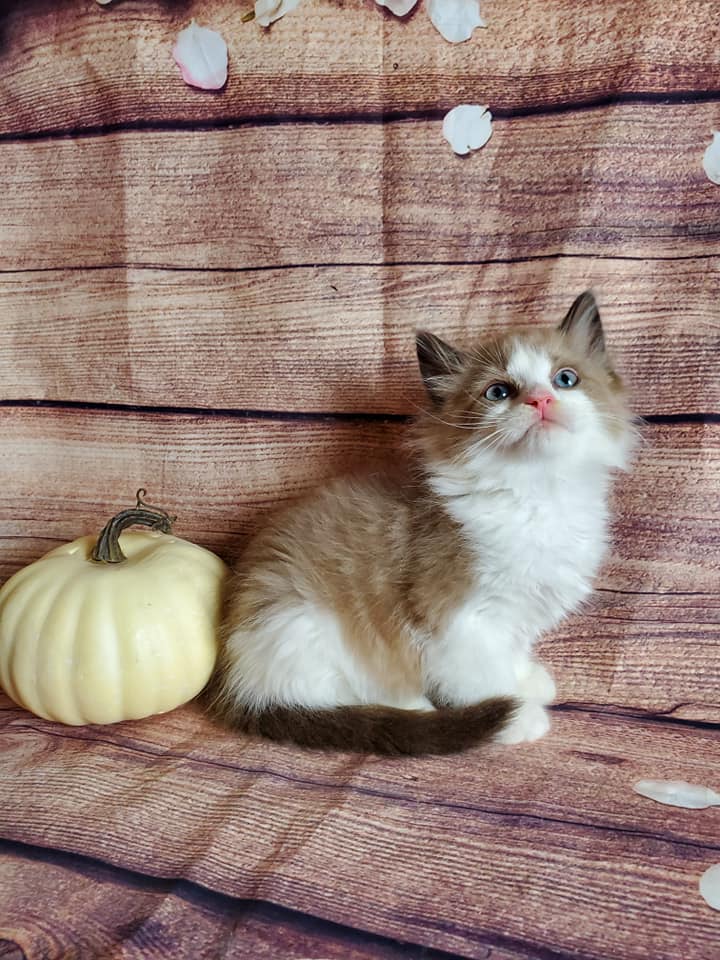
Ragdoll Cats and Children: Gentle Play and Clear Boundaries
Ragdoll cats are often admired for their calm nature, affectionate personalities, and willingness to stay close to their people. These traits can make them wonderful family companions, but even a relaxed kitten needs respectful handling and predictable boundaries.
Children and kittens are both learning how to communicate. A child may see a fluffy Ragdoll as a toy to carry, while the kitten may need quiet space, a nap, or a break from attention. Teaching gentle interaction from the beginning helps build trust and keeps play positive for everyone.
At Ragdoll Kittens Cattery, kittens are raised indoors in a cage-free family environment and handled daily for socialization. This early exposure can support confident behavior, yet the family’s guidance remains essential after adoption. Good manners must be practiced in the home where the kitten will live.
Why a calm temperament still needs guidance
Ragdolls are known for being people-oriented and generally easygoing. A friendly kitten may enjoy sitting beside a child, following family members, or joining a quiet game. However, breed traits do not mean every kitten enjoys being held for long periods or touched in every way.
Young children may move quickly, hug tightly, or become excited when a kitten runs. Even a patient cat can feel frightened or uncomfortable when escape routes are blocked. Adults should supervise interactions and show children that kindness includes allowing the kitten to walk away.
Learn the kitten’s body language
Children can learn simple signals that indicate whether a Ragdoll kitten wants attention. A relaxed body, soft eyes, forward-facing ears, and a gently raised tail often suggest comfort. Purring may also accompany contentment, although it should be considered alongside the kitten’s whole posture.
Warning signs can include flattened ears, a rapidly flicking tail, tense muscles, hiding, growling, hissing, or repeated attempts to leave. These behaviors are communication, not disobedience. When a kitten shows discomfort, the child should stop, give space, and wait for the cat to approach again.
A short family rule such as “hands stop when the kitten moves away” is easy for young children to remember. Adults should model this rule consistently rather than waiting for the kitten to become overwhelmed.
Create calm routines from the first day
A new kitten benefits from a quiet starting area with food, water, a litter box, scratching surfaces, toys, and a comfortable bed. Children can visit this space with an adult, but the area should never become a place for chasing, grabbing, or noisy play.
Set regular times for supervised cuddling, grooming, and interactive games. Short sessions are usually more successful than prolonged handling. Ending an interaction while the kitten is still relaxed teaches children that play has a natural stopping point.
Every family member should use the same expectations. A child should never lift the kitten by the legs, tail, or neck, and carrying should be reserved for an adult or an older child who has demonstrated safe technique.
Choose games that protect trust
Wand toys, soft balls, treat puzzles, and lightweight toy mice give children ways to play without using hands as bait. These activities encourage natural behaviors such as stalking, pouncing, and chasing while keeping teeth and claws directed toward appropriate objects.
Children should avoid wrestling, chasing the kitten around furniture, or pulling at fur and paws. Laser toys should be used carefully and followed by a tangible toy or small reward so the kitten has a satisfying way to complete the play sequence.
Ragdoll kittens also need daily rest. A kitten that falls asleep should be left undisturbed, even if the child wants another cuddle. Quiet observation can be a meaningful activity and helps children understand that companionship does not always require physical contact.
Match interaction to age and confidence
The safest responsibilities depend on a child’s age, patience, and ability to follow instructions. Some young children can offer a toy while an adult remains nearby, while older children may help with gentle brushing or supervised training. The kitten’s personality matters as much as the child’s maturity.
| Child’s stage | Suitable interaction | Adult’s role |
|---|---|---|
| Toddlers | Watching, offering a toy, gentle touch with guidance | Keep hands controlled and stay within reach |
| Young children | Wand play, calm petting, placing treats | Teach signals and end play when needed |
| Older children | Brushing, clicker games, supervised carrying practice | Check technique and preserve the kitten’s breaks |
| Teens | Training, enrichment, routine care support | Maintain health, safety, and household standards |
A confident kitten may enjoy more engagement, while a cautious kitten may need slower introductions. Children should never compare one cat’s behavior with another’s. Respecting individual comfort levels creates a stronger bond.
Set household rules everyone can follow
Simple, positive rules are easier for children to apply than a long list of prohibitions. Post them near the kitten’s main living area and review them before adoption day.
- Use gentle hands and quiet voices around the kitten.
- Let the kitten approach, and stop touching when it walks away.
- Never chase, squeeze, wake, or lift the kitten without permission from an adult.
- Keep doors, windows, cords, and small chewable objects safely managed.
- Give the kitten a child-free retreat for sleep and relaxation.
Supervision is especially important during the first weeks, when the family and kitten are learning one another’s routines. Adults should also monitor litter habits, appetite, energy, and any change in behavior. Health screening and veterinary care, including attention to conditions such as HCM, FIV, FeLV, and feline heartworm disease, are important parts of responsible kitten ownership.
A well-prepared family can give a Ragdoll kitten affection, structure, and the freedom to feel secure. Explore the available information from Ragdoll Kittens Cattery about breed traits, colors, markings, health practices, and adoption, then prepare your home for a gentle beginning together.