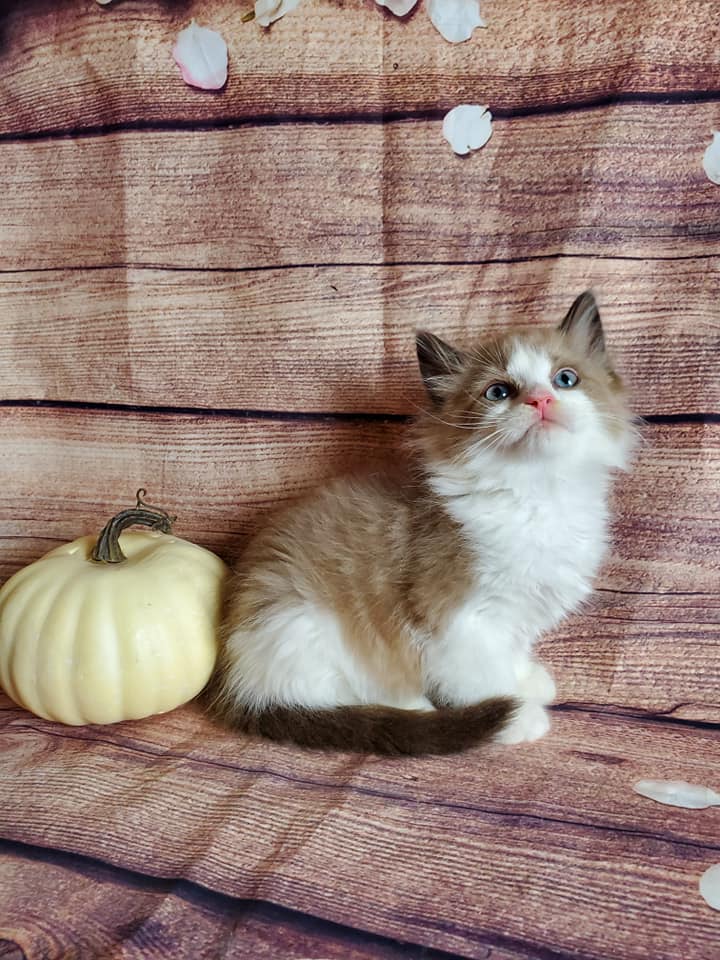
Ragdoll Cats and Other Animals in a Peaceful Multi-Pet Home
Bringing a Ragdoll kitten into a home with dogs, cats, birds, or small mammals can be a rewarding experience when introductions are gradual and carefully managed. Ragdolls are often known for their calm, people-oriented nature, but every kitten has an individual personality and comfort level.
A successful multi-pet household depends on preparation, supervision, and respect for each animal’s boundaries. The resident pets need time to adjust to a new scent and routine, while the kitten needs secure spaces where it can rest without being chased or cornered.
At Ragdoll Kittens Cattery in Helena, Montana, kittens are raised indoors in a cage-free family setting and handled daily. This early socialization can help kittens become confident around people and household activity, although a thoughtful transition remains important after adoption.
Understand the ragdoll temperament
Ragdolls are typically gentle, sociable, and adaptable. Many enjoy following their people from room to room and may settle comfortably near other pets. Their relaxed nature can make them suitable companions for families with friendly dogs or established cats.
Calm does not mean defenseless. A Ragdoll kitten may be less likely to respond aggressively when frightened, so owners should prevent chasing, rough play, or forced contact. A kitten that hides, freezes, hisses, or repeatedly retreats is communicating a need for more space.
Prepare the home before arrival
Set up a private transition room before the kitten comes home. Include food, water, a litter box, a scratching surface, bedding, toys, and a secure hiding place. This room allows the kitten to learn familiar smells and sounds without immediately facing the full activity of the household.
Use separate feeding areas and provide multiple litter boxes in different locations. In general, one litter box per cat plus one extra is a useful starting point. Tall cat trees, shelves, and gated rooms also give a Ragdoll places to observe other animals from a safe distance.
Introduce animals in gradual stages
Begin with scent exchange rather than face-to-face contact. Trade bedding between the kitten and resident pets, or gently rub a clean cloth on one animal and place it near another’s resting area. Feed pets on opposite sides of a closed door so the new scent becomes associated with something positive.
Once everyone remains relaxed, allow brief visual meetings through a baby gate, screen, or slightly opened door. Keep dogs leashed during early sessions, and make sure the kitten has a clear escape route. End each interaction while the animals are still calm rather than waiting for tension to rise.
| Companion animal | Helpful preparation | Early warning signs |
|---|---|---|
| Resident cat | Separate resources and gradual scent swapping | Persistent staring, blocking, chasing |
| Friendly dog | Leash, calm commands, secure elevated spaces | Fixation, lunging, barking, stalking |
| Rabbit or guinea pig | Fully protected enclosure and no unsupervised access | Pawing, intense interest, circling |
| Bird | Closed cage placed away from climbing routes | Swatting, climbing toward the cage |
| Reptile | Secure habitat with locked doors and stable heat | Repeated attempts to access the enclosure |
Protect small pets and vulnerable animals
A peaceful Ragdoll may still have natural curiosity and hunting instincts. Rabbits, guinea pigs, hamsters, birds, fish, and reptiles should remain in secure habitats that cannot be opened, tipped, or reached through narrow gaps. Never rely on a cat’s gentle reputation as a substitute for physical safety.
Supervision is especially important with kittens because they explore with their paws and may not understand the difference between play and danger. Keep cages stable, use sturdy latches, and provide separate exercise times when necessary. A small pet should always have a protected retreat inside its enclosure.
Watch behavior and respect boundaries
Healthy adjustment usually includes cautious sniffing, brief observation, and gradual increases in shared time. A little hissing or growling can occur during introductions, but repeated pursuit, cornering, swatting, or refusal to eat calls for a slower process. Separate the animals quietly and return to an earlier stage.
Give every pet individual attention so the new arrival does not create competition. Reward calm behavior with treats, praise, or play. Avoid punishment, forced holding, and placing animals nose-to-nose, since these actions can increase fear and damage trust.
Keep health routines consistent
Before combining pets, schedule a veterinary check for the kitten and review the health status of resident animals. Ask about vaccinations, parasite prevention, and appropriate testing. Ragdoll kittens from a responsible cattery should come with clear health information and adoption records.
Health screening is an important part of responsible breeding. Ragdoll Kittens Cattery emphasizes screening for hypertrophic cardiomyopathy, or HCM, along with FIV, FeLV, and feline heartworm disease. These measures support informed adoption decisions, while regular veterinary care remains essential throughout the cat’s life.
Keep food bowls, litter supplies, grooming tools, and medications organized by animal. Wash hands between caring for pets when illness is present, and contact a veterinarian if any animal develops persistent stress, appetite changes, diarrhea, respiratory symptoms, or unexplained aggression.
Build reliable household habits
Consistency helps animals understand what to expect. Feed pets on predictable schedules, maintain quiet rest periods, and supervise shared play until you can confidently read everyone’s behavior. A Ragdoll may enjoy companionship, but it should still have access to peaceful time alone.
- Create separate safe zones for every pet.
- Introduce new animals through scent, barriers, and short supervised visits.
- Keep dogs leashed and small pets securely enclosed at first.
- Provide multiple food, water, litter, scratching, and resting areas.
- Arrange a veterinary examination and maintain preventive care.
A well-matched Ragdoll can become a loving family companion or a gentle therapy cat, but the best results come from pairing temperament with careful management. If you are considering a purebred Ragdoll kitten for a home with other animals, contact Ragdoll Kittens Cattery to learn about available kittens, health practices, colors, markings, and the adoption process.