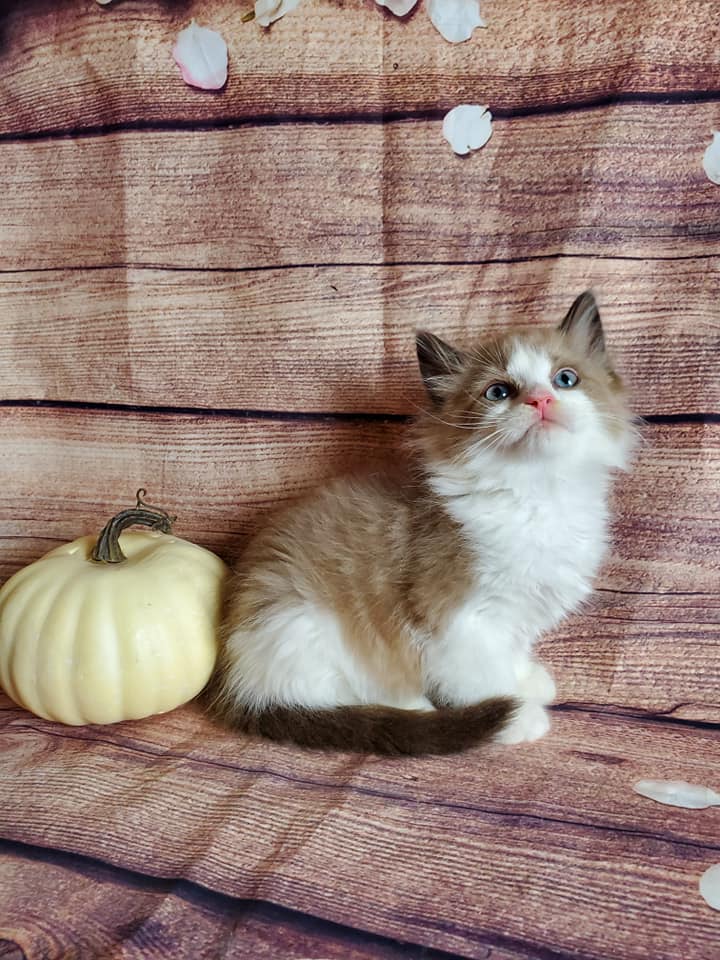
Caring For Ragdoll Cats Through Montana Winters
Ragdoll cats have a soft, semi-long coat and a calm, affectionate nature, but their plush fur does not make them fully prepared for severe winter weather. A heated home, steady routines, and attention to small changes can help them remain comfortable when temperatures fall.
For families in Helena and other cold regions, winter care is mainly about indoor safety. Ragdolls should live inside, away from freezing conditions, icy surfaces, and sudden temperature changes. Kittens, seniors, and cats with health concerns may need closer observation than healthy adults.
Understanding A Ragdoll’s Cold-Weather Needs
Ragdolls have a silky coat with a moderate undercoat, so they may appear well protected in cold weather. However, coat thickness varies between individual cats, and indoor living means many Ragdolls are not acclimated to prolonged exposure outdoors. Their relaxed personality can also make them less likely to retreat quickly from an unsafe environment.
A comfortable indoor temperature is usually sufficient for a healthy adult Ragdoll. If a cat is shivering, curling tightly for long periods, seeking unusual heat sources, or showing cold ears and paws, the room may be too chilly. Weakness, confusion, or persistent lethargy requires prompt veterinary attention.
Young kittens deserve special care because they have smaller bodies and less ability to regulate temperature. A kitten arriving at a new home should have a warm, quiet room, soft bedding, and access to food and water without needing to cross cold floors.
Creating Warm Indoor Resting Areas
Place beds away from exterior doors, drafty windows, and areas where cold air enters. A padded bed, fleece blanket, or covered cat cave can provide insulation while allowing the cat to choose how much warmth it wants. Washable materials are especially useful during snowy months when moisture and mud can be tracked indoors.
Avoid positioning beds directly beside wood stoves, radiators, fireplaces, or portable heaters. Ragdolls may settle close to a heat source without recognizing that their fur or skin is becoming too hot. Portable heaters should have stable bases, protective grilles, and automatic shutoff features, and cords should be secured.
Cold floors can be uncomfortable for a large, long-bodied cat. Add rugs or runners to favorite walking paths, especially over tile, concrete, or hardwood. These surfaces also offer better traction when a Ragdoll becomes playful or moves quickly through the home.
Grooming A Ragdoll Coat In Winter
Regular brushing helps prevent mats, removes loose fur, and lets an owner inspect the skin. Once or twice a week may be enough for some Ragdolls, while a cat with a fuller coat may need more frequent grooming. Pay particular attention to the chest, armpits, belly, and hind legs, where tangles develop easily.
Dry indoor air can contribute to flaky skin and a dull-looking coat. Keeping the home at a stable temperature and using a clean humidifier may help, provided the device is maintained carefully. Adequate water intake also supports healthy skin and coat condition.
Never cut a Ragdoll’s coat short simply to manage winter grooming. Shaving removes natural insulation and can expose delicate skin. If a severe mat forms, use a professional groomer or ask a veterinarian for safe removal rather than pulling at the tangled fur.
| Winter concern | Helpful care | When to seek advice |
|---|---|---|
| Dry skin or static | Brush regularly, maintain moderate humidity, encourage water intake | Persistent flakes, redness, or sores |
| Cold floors | Use rugs and warm bedding | Reluctance to walk or ongoing discomfort |
| Snow or ice exposure | Keep the cat indoors and dry paws after accidental contact | Limping, cracked pads, or painful toes |
| Reduced activity | Add indoor play and climbing options | Sudden lethargy, weakness, or appetite loss |
| Seasonal weight gain | Measure meals and monitor body condition | Noticeable weight change or difficulty moving |
Food, Water, And Activity During Winter
Indoor cats may become less active during short winter days, even when they spend more time awake near family members. Measured portions, regular play, and monthly weight checks can help prevent gradual weight gain. Ragdolls are naturally substantial cats, so body condition matters more than a target number on the scale.
Most indoor Ragdolls do not need extra calories solely because the weather is cold. A veterinarian can recommend adjustments for kittens, nursing females, unusually active cats, or pets living in a genuinely cool environment. High-quality, age-appropriate food should remain the foundation of the diet.
Water bowls should be placed in warm, easy-to-reach locations away from litter boxes. Refresh water frequently, and consider a fountain if a cat prefers moving water. Wet food can also support hydration, but any dietary change should be made gradually to reduce digestive upset.
Protecting Paws And Preventing Winter Accidents
Ragdolls should not roam outside in freezing temperatures, snowstorms, or icy conditions. Snow can hide hazards, while de-icing chemicals and antifreeze are dangerous if they are licked from paws or fur. Indoor living is the safest choice for this breed during harsh weather.
If a cat accidentally walks through snow or treated areas, wipe its paws with a damp cloth and dry them thoroughly. Check between the toes for ice balls, salt irritation, cuts, or redness. Do not use human lotions, essential oils, or chemical paw products unless a veterinarian confirms they are safe for cats.
Secure window screens and keep cats away from open windows during blizzards. A cat can become chilled quickly if it sits in a strong draft, and an escape through an unsecured opening can lead to dangerous exposure. Microchipping and updated identification remain important even for cats that live indoors.
Health Monitoring In A Cold Climate
Winter behavior can change slightly, but significant changes should not be dismissed as simple cold-weather habits. Monitor appetite, water consumption, litter box use, breathing, grooming, mobility, and interest in play. A Ragdoll that hides more than usual or stops jumping may be uncomfortable or ill.
Routine veterinary care is particularly valuable for a purebred cat. Health screening and preventive examinations can help identify conditions that affect energy, circulation, or temperature tolerance. Responsible breeders also consider inherited risks, including hypertrophic cardiomyopathy, commonly called HCM.
At Ragdoll Kittens Cattery in Helena, kittens are raised indoors in a cage-free family environment and handled daily for socialization. Health-focused practices, including screening for HCM, FIV, FeLV, and feline heartworm disease, provide families with useful background as they plan lifelong care.
A Practical Winter Care Checklist
A few consistent habits can make a cold season easier for both cat and owner. Keep supplies in familiar places and maintain the same feeding, grooming, and play schedule throughout the year.
- Provide several warm, draft-free sleeping areas.
- Brush the coat regularly and check for mats or irritated skin.
- Keep fresh water available and measure meals carefully.
- Wipe and inspect paws after any accidental outdoor exposure.
- Watch for changes in appetite, breathing, movement, or energy.
Ragdoll cats can thrive in cold climates when their environment is warm, predictable, and secure. Their luxurious coat needs maintenance, but the most important protection is a comfortable indoor home with attentive daily care.
Families searching for a well-socialized Ragdoll kitten in Montana can learn about available colors, markings, temperament, health practices, and adoption requirements through Ragdoll Kittens Cattery. Contact the cattery to discuss whether a loving pet or therapy companion would be a suitable match for your household.