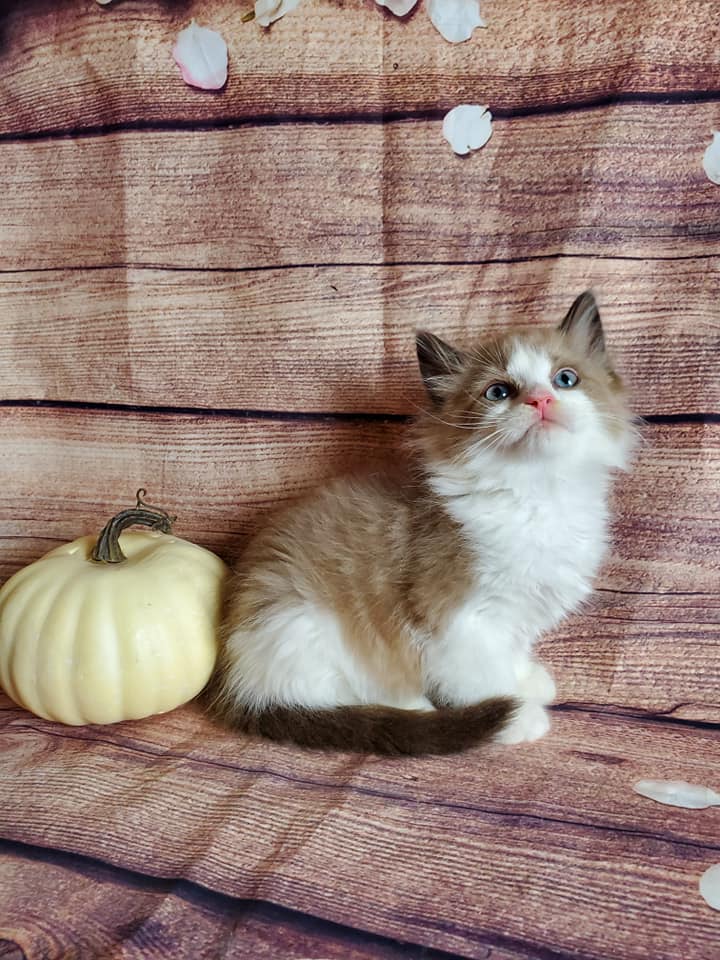
Ragdoll Kitten Milestones From Birth To Twelve Weeks
The first twelve weeks of a Ragdoll kitten’s life bring remarkable physical, emotional, and social changes. Newborns begin completely dependent on their mother, then gradually develop the coordination, confidence, and communication skills needed for life with a family.
Because Ragdolls mature at their own pace, milestones can overlap rather than occur on exact dates. A healthy kitten’s progress is best assessed through steady growth, alert behavior, nursing or eating habits, and interaction with its surroundings.
At Ragdoll Kittens Cattery in Helena, Montana, kittens are raised indoors in a cage-free family environment. Daily gentle handling helps them become familiar with human voices, touch, household activity, and the routines that support a smooth transition to adoption.
At Birth And During The First Week
Newborn Ragdoll kittens are blind, deaf, and unable to regulate their body temperature independently. They spend most of their time sleeping and nursing, relying on their mother for warmth, grooming, and stimulation. Their noses, paw pads, and coats already hint at future coloring, although Ragdoll points become clearer as they mature.
During this first week, healthy kittens should gain weight consistently and remain close to their mother and littermates. Caregivers monitor nursing, warmth, hydration, and early development while keeping the nesting area clean and calm. Gentle contact, when appropriate, begins building a positive association with human care without disrupting rest.
Weeks Two And Three Bring Rapid Change
Around the second week, a kitten’s eyes begin to open, followed by the gradual development of hearing. Vision may be hazy at first, and blue eyes are typical in young Ragdolls. By the third week, kittens become more aware of movement, sounds, and the activity around their nest.
This is also when early crawling develops into purposeful movement. Kittens may attempt to stand, walk unsteadily, and explore just beyond their bedding. Their mother continues to provide most of their nutrition, while careful daily handling supports trust and helps caregivers notice changes in appetite, weight, or energy.
Weeks Four And Five Build Confidence
Between four and five weeks, Ragdoll kittens become noticeably more playful. They begin chasing littermates, batting at soft toys, climbing short distances, and practicing balance. Their coordination improves quickly, although occasional tumbles are normal as they learn to control their long bodies and large paws.
Weaning may begin during this period with small tastes of appropriate kitten food, while nursing often continues. Litter box learning also starts as kittens observe their mother and receive access to a shallow, safe box. Calm exposure to ordinary household sounds—such as conversation, gentle movement, and supervised grooming—helps prevent new experiences from feeling overwhelming.
| Age | Common Developmental Milestones | Helpful Care Focus |
|---|---|---|
| Birth–1 week | Nursing, sleeping, warmth seeking | Monitor weight, feeding, and temperature |
| 2–3 weeks | Eyes and ears open, crawling and standing | Gentle handling and a quiet nesting area |
| 4–5 weeks | Play, early walking, weaning attempts | Safe exploration and litter box introduction |
| 6–8 weeks | Running, climbing, social play, stronger curiosity | Positive household exposure and veterinary care |
| 9–12 weeks | Improved coordination, independence, and routine | Continued socialization and adoption preparation |
Weeks Six And Seven Expand Social Skills
At six to seven weeks, kittens are active participants in their environment. They can run, climb, pounce, wrestle, and communicate through a growing range of vocalizations and body language. Play with littermates teaches bite inhibition, boundaries, turn-taking, and confidence.
This stage is especially valuable for socialization. Kittens benefit from positive contact with adults, respectful children, gentle brushing, carriers, toys, and normal household sounds. A family-raised kitten may also begin practicing short periods away from its littermates, always with appropriate supervision and reassurance.
Health care becomes increasingly important as kittens approach adoption age. Responsible breeders arrange veterinary examinations and follow appropriate vaccination and parasite-control schedules. At this cattery, health information includes screening related to HCM, FIV, FeLV, and feline heartworm disease, giving families useful context when choosing a companion.
Weeks Eight Through Twelve Prepare For Home
By eight weeks, many Ragdoll kittens are eating solid food confidently, using the litter box, and sleeping for longer stretches. Their personalities become easier to recognize: one may be especially cuddly, another outgoing and playful, while a third may prefer to observe before joining in. These early traits can guide placement as a loving pet or potential therapy cat.
From nine to twelve weeks, kittens continue refining coordination and emotional resilience. They learn household routines, respond to names or familiar sounds, and become more comfortable with grooming, nail care, brief carrier time, and being handled for health checks. Ragdolls are known for their affectionate nature, but a trusting relationship still develops through consistent, respectful interaction.
A kitten should leave for a new home only when physically ready, eating well, using the litter box reliably, and showing appropriate social development. Families can review available kittens, breed traits, colors, markings, and care expectations before making a thoughtful decision.
Preparing For A Smooth Transition
The final weeks before adoption are an opportunity to reinforce habits that will make the move easier. Families can prepare a quiet starter room, select a sturdy litter box, choose nutritious food, and arrange a veterinary appointment. Familiar bedding or a toy carrying the scent of the litter can also offer reassurance during the first nights.
Helpful preparations include:
- Set up a calm, kitten-proof room before arrival.
- Use the same food and litter initially to reduce sudden changes.
- Provide scratching posts, safe toys, and low climbing options.
- Schedule a veterinary visit and bring all health records.
- Introduce new people, pets, and rooms gradually.
A small, ethical cattery gives each kitten individual attention rather than treating the litter as a single group. Families should receive clear information about health, feeding, registration, temperament, and the steps involved in bringing a kitten home.
Each week from birth to twelve weeks adds another layer of strength, curiosity, and trust. To learn more about available Ragdoll kittens and the adoption process in Helena, Montana, families can contact the cattery and begin planning a caring home for their new companion.