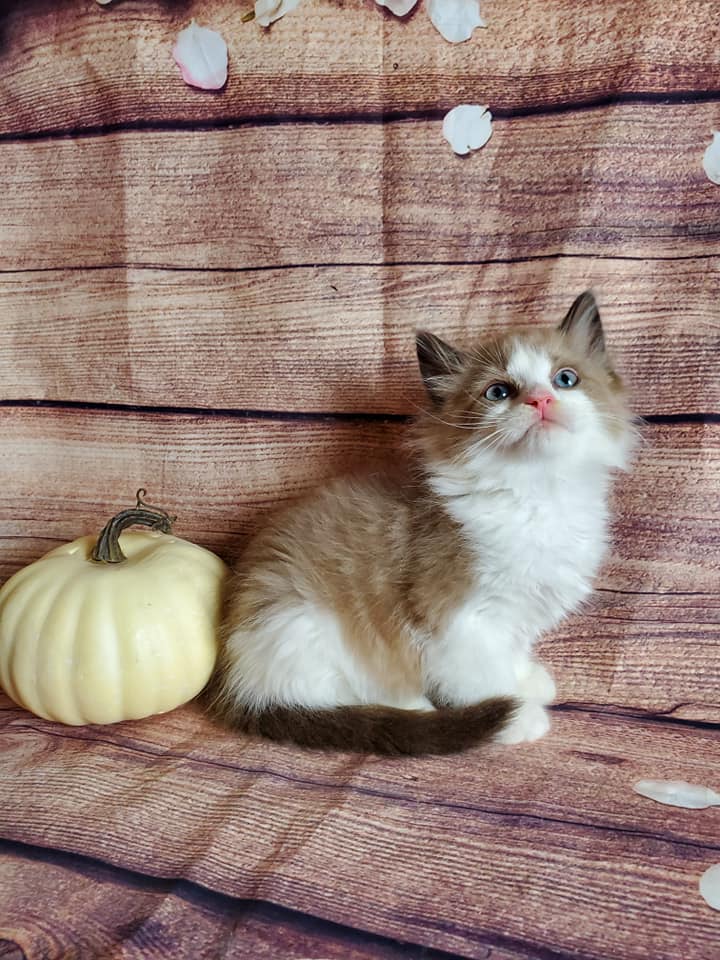
Ragdoll Kitten Poop: What’s Normal and What’s Not
A kitten’s litter box habits can reveal a great deal about hydration, digestion, stress, and overall health. For Ragdoll kittens, a normal bowel movement is usually easy to pass, brown to tan in color, and formed but not dry or rock hard. Small differences can occur after weaning or a change in food, but sudden changes deserve attention.
Kittens raised in a clean, family environment may still experience loose stool when adjusting to a new home. Travel, new people, altered feeding times, and different water can affect digestion for a few days. Careful observation helps distinguish a temporary adjustment from a problem requiring veterinary care.
What Healthy Kitten Stool Looks Like
Healthy Ragdoll kitten poop is generally medium to dark brown, with a soft, formed texture. It should hold its shape when picked up but should not be mushy, watery, or excessively dry. A mild odor is normal, although an unusually strong or foul smell may accompany digestive upset or intestinal parasites.
Bowel movement frequency varies with age, diet, and individual habits. A young kitten may poop once or several times daily, while an older kitten may be less predictable. Consistency, appetite, energy, and hydration matter more than a precise daily count.
A small amount of hair in the stool can occur as kittens groom themselves. Occasional variation after a meal is not automatically concerning, but persistent changes should not be dismissed.
Changes That Need Close Observation
Soft stool can follow a food transition, too many treats, cow’s milk, or stress. If a kitten remains playful, eats normally, drinks, and produces only mildly soft stool for a short time, monitoring may be reasonable. Keep meals consistent and avoid introducing additional foods while the digestive system settles.
Diarrhea becomes more concerning when it is watery, frequent, or continues beyond a brief adjustment period. Mucus, a green or yellow appearance, a very foul odor, or repeated straining may indicate intestinal inflammation, infection, parasites, or dietary intolerance.
Constipation may appear as small, dry pellets, repeated trips to the litter box, vocalizing, or visible straining. A kitten that has not passed stool and also seems uncomfortable, bloated, weak, or unwilling to eat needs prompt veterinary assessment.
Color, Blood, and Other Warning Signs
Bright red streaks may come from irritation near the rectum, while black, tar-like stool can indicate digested blood higher in the digestive tract. Either finding should be discussed with a veterinarian, particularly if it happens more than once or appears with vomiting, lethargy, or poor appetite.
Pale, gray, or unusually yellow stool can sometimes reflect poor digestion or another health issue. Color can also be affected by food, so one unusual bowel movement is less informative than a repeated pattern.
Visible worms or rice-like segments around the anus or in the litter box may suggest parasites. Kittens can carry intestinal parasites even when they appear healthy, which is why routine fecal examinations and a veterinarian-guided deworming plan are important.
| Stool change | Possible explanation | Recommended response |
|---|---|---|
| Slightly soft brown stool | Food transition or mild stress | Keep food consistent and monitor closely |
| Watery diarrhea | Infection, parasites, intolerance, or abrupt diet change | Contact a veterinarian promptly |
| Small, dry pellets | Low fluid intake or constipation | Seek advice, especially if straining occurs |
| Mucus or bright red blood | Lower intestinal irritation or inflammation | Arrange veterinary guidance |
| Black, tarry stool | Possible digested blood | Treat as urgent and contact a veterinarian |
| Worms or rice-like pieces | Intestinal parasites | Save a sample or photo and request testing |
Diet and Hydration Matter
Ragdoll kittens have developing digestive systems, so a complete kitten diet should be offered in measured portions appropriate for their age and size. Sudden changes between brands, formulas, or wet and dry food can cause loose stool. When a change is necessary, transition gradually according to veterinary or breeder guidance.
Fresh water should be available at all times. Wet food can contribute to fluid intake, while clean bowls and regular feeding routines support healthy habits. Do not give milk, fatty table scraps, human medication, or over-the-counter anti-diarrheal products unless a veterinarian specifically recommends them.
A kitten with diarrhea can become dehydrated quickly. Dry or sticky gums, sunken eyes, weakness, and reduced urination are warning signs. Never force water into a weak kitten’s mouth, since aspiration can occur.
Stress, Parasites, and the New Home
Moving from a cattery to a new home can temporarily affect stool. A quiet room, familiar food, predictable meals, and a clean litter box can reduce stress during the first several days. Gradual introductions to children, pets, and new surroundings also support a smoother adjustment.
Parasites such as roundworms, hookworms, Giardia, and coccidia can cause diarrhea, mucus, poor growth, or a pot-bellied appearance. Good hygiene helps limit spread: remove waste promptly, wash hands after litter box care, and clean contaminated surfaces safely.
A TICA-registered cattery may provide health records, preventive care details, and feeding instructions, but these records do not replace a veterinary examination after adoption. New owners should arrange a wellness visit and bring any requested documentation or stool sample.
When to Call the Veterinarian
Contact a veterinarian quickly if a Ragdoll kitten has repeated watery diarrhea, vomiting, blood in the stool, black stool, severe constipation, abdominal swelling, fever, marked sleepiness, or refusal to eat. Very young kittens and kittens with chronic health concerns may need attention sooner because they have fewer reserves.
Keep notes on the time of each bowel movement, appearance, food intake, water consumption, and behavior. A clear photograph or fresh fecal sample can help the veterinary team identify parasites or other causes. Avoid withholding food for prolonged periods from a growing kitten unless directed by a professional.
Practical Care Steps
- Feed the same complete kitten food used during the transition, changing it gradually when needed.
- Provide clean water and scoop the litter box frequently so changes are easy to notice.
- Record diarrhea, constipation, mucus, blood, vomiting, appetite, and energy level.
- Schedule fecal testing and follow the veterinarian’s parasite-prevention instructions.
- Call promptly when stool changes occur with weakness, dehydration, pain, or poor appetite.
Healthy litter box habits are one part of raising a thriving Ragdoll kitten. For feeding guidance, health records, and information about available family-raised kittens, contact Ragdoll Kittens Cattery in Helena, Montana, and share any digestive concerns with your kitten’s veterinarian.