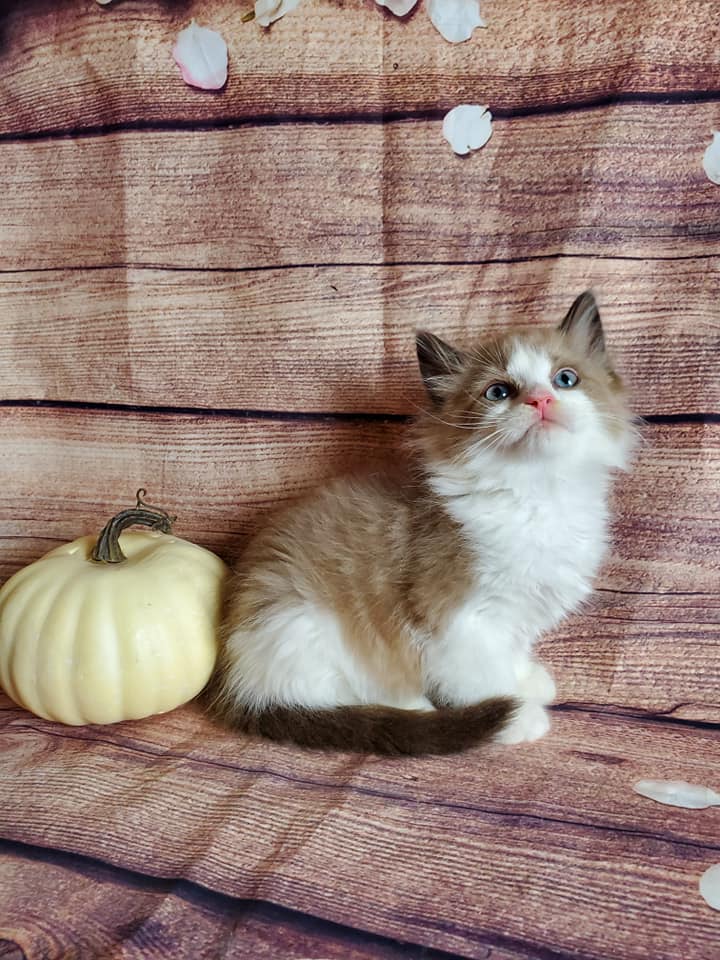
Ragdoll Kitten Vaccination Schedule: A Complete Guide
Vaccinations are an essential part of raising a healthy Ragdoll kitten. Early immunization helps protect a young cat while its immune system is still developing and supports a safe transition from a cattery environment to a new home.
A kitten’s vaccine plan depends on age, health, previous records, local regulations, and exposure risk. Your veterinarian may adjust the timing if a kitten is underweight, recovering from illness, or has received a different vaccine product. The schedule below offers a practical guide, but the examining veterinarian should make the final decision.
Ragdoll kittens raised indoors still benefit from routine protection. Viruses can enter a home on shoes, clothing, carriers, or through contact with other cats. Vaccination works alongside health screening, parasite prevention, good nutrition, and careful hygiene.
Why Vaccinations Matter
The primary kitten vaccine is usually FVRCP, which protects against feline viral rhinotracheitis, calicivirus, and panleukopenia. Panleukopenia can be especially serious in kittens, causing severe gastrointestinal illness and dehydration. Calicivirus and rhinotracheitis may lead to respiratory symptoms, mouth ulcers, fever, and long-term complications.
Maternal antibodies received through nursing can provide early protection, but they may also interfere with a vaccine’s effectiveness. These antibodies decline at different rates in individual kittens. A series of vaccinations gives the immune system repeated opportunities to develop reliable protection as maternal immunity fades.
Rabies vaccination is required by law in many areas and protects both cats and people from a fatal disease. The feline leukemia virus, or FeLV, vaccine may also be recommended for kittens because young cats are more vulnerable to infection, even when their future lifestyle is expected to be primarily indoors.
Core Kitten Vaccine Schedule
Most healthy kittens begin their FVRCP series between six and eight weeks of age. Booster injections are generally given every three to four weeks until the kitten is at least 16 weeks old. Some veterinarians continue the series to 18 or 20 weeks when exposure risk is higher or early vaccines may have been affected by maternal antibodies.
Rabies is commonly administered between 12 and 16 weeks, although the precise timing depends on the vaccine label and Montana or local requirements. FeLV vaccination often begins at eight to 12 weeks, followed by a second dose three to four weeks later when the veterinarian considers it appropriate.
| Kitten Age | Common Veterinary Care | Purpose |
|---|---|---|
| 6–8 weeks | First FVRCP dose; physical examination and parasite review | Begins protection against major contagious feline diseases |
| 10–12 weeks | Second FVRCP dose; possible first FeLV dose | Builds immune response as maternal antibodies decline |
| 14–16 weeks | Final kitten FVRCP dose; second FeLV dose if selected; rabies when due | Completes the primary series for many kittens |
| Around 1 year | FVRCP booster and rabies renewal according to product and law | Reinforces immunity after the kitten series |
| Adulthood | Periodic boosters based on risk, vaccine label, and veterinary assessment | Maintains appropriate long-term protection |
What Happens During Each Visit
A veterinary appointment involves more than an injection. The veterinarian should assess body weight, temperature, hydration, heart and lungs, eyes, ears, mouth, coat, and overall development. This is also a good time to discuss intestinal parasites, flea prevention, nutrition, litter habits, and spay or neuter timing.
A kitten should generally be healthy before vaccination. Mild temporary effects such as sleepiness, tenderness at the injection site, or a reduced appetite can occur for a day or two. Serious reactions are uncommon, but facial swelling, repeated vomiting, breathing difficulty, collapse, or extreme weakness requires immediate veterinary attention.
Keep vaccination records in a safe place and provide them to every future veterinary clinic, boarding facility, groomer, or pet sitter. The record should identify the vaccine, administration date, manufacturer, lot information when available, and the recommended booster date.
Indoor Living And Exposure Risk
An indoor lifestyle greatly reduces exposure to infectious diseases, but it does not eliminate risk. Ragdoll kittens may travel to veterinary appointments, attend shows, visit grooming facilities, or live with other cats. A family may also introduce infection through a newly adopted pet or contact with unfamiliar animals.
FeLV vaccination decisions should reflect the kitten’s future circumstances. It is often more strongly considered for cats that may go outdoors, live with cats of unknown status, or encounter unfamiliar felines. Testing and vaccination are separate steps, so ask the veterinarian whether FeLV testing is suitable before beginning the series.
Vaccines do not replace genetic and infectious disease screening. Responsible Ragdoll care may also include attention to hypertrophic cardiomyopathy risk, FIV and FeLV status, feline heartworm prevention, parasite control, and routine wellness examinations. These measures address different health concerns.
Preparing For A Smooth Vaccine Visit
A calm, well-prepared visit can make veterinary care easier for both kitten and owner. Use a secure carrier with a soft, washable blanket, and avoid feeding a large meal immediately before travel if motion sickness is a concern. Familiar bedding can provide reassurance in an unfamiliar clinic.
Discuss the kitten’s home environment honestly, including other pets, planned outdoor access, travel, and possible therapy or show activities. This information helps the veterinarian choose suitable vaccines and set a practical booster interval.
Helpful steps include:
- Bring all vaccination, deworming, microchip, and health records to every appointment.
- Tell the veterinarian about sneezing, diarrhea, poor appetite, lethargy, or recent exposure to illness.
- Keep a newly vaccinated kitten away from high-risk unknown animals until the primary series is complete.
- Monitor appetite, energy, breathing, and the injection site for the first 24 to 48 hours.
- Ask when the next FVRCP, rabies, and FeLV doses are due before leaving the clinic.
A kitten from a small, cage-free family cattery may already have received age-appropriate veterinary care, but the new owner should arrange a follow-up examination soon after adoption. This visit establishes a relationship with a local veterinarian and confirms that the kitten’s records and future schedule are complete.
Bringing Home A Well-Protected Ragdoll
Vaccination is one part of a lifelong health plan for a Ragdoll cat. Consistent veterinary care, responsible breeding practices, indoor safety, balanced nutrition, and daily observation all contribute to a confident and healthy companion.
At Ragdoll Kittens Cattery in Helena, Montana, families can learn about available purebred Ragdoll kittens, health practices, socialization, and the records provided at adoption. Contact the cattery to discuss a kitten’s vaccination history and prepare a personalized care plan with your veterinarian before the kitten joins your home.