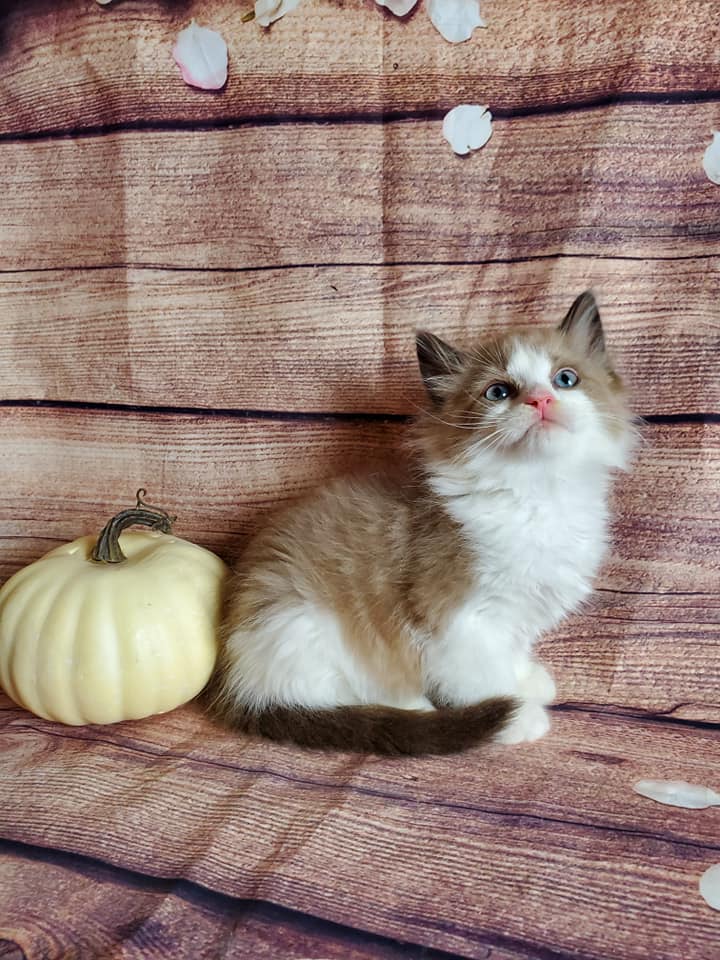
Ragdoll Kitten Vaccination Schedule: What You Need to Know
Vaccinations give Ragdoll kittens an important foundation for a healthy life. Even kittens raised indoors and cared for in a clean, family environment can encounter viruses through veterinary visits, household footwear, other pets, or future travel. A well-planned immunization schedule helps protect them during the stage when their developing immune systems are especially vulnerable.
At Ragdoll Kittens Cattery in Helena, Montana, kitten care includes daily handling, health monitoring, and preparation for a smooth transition into a new home. Vaccines are provided according to veterinary guidance, while each kitten’s age, health, and adoption timing are taken into account.
Core Protection For Young Ragdolls
The primary kitten vaccine is usually the FVRCP combination vaccine. It protects against feline herpesvirus-1, feline calicivirus, and feline panleukopenia. Panleukopenia can be especially serious in young cats, while the respiratory viruses may cause sneezing, eye discharge, mouth ulcers, fever, and prolonged illness.
Maternal antibodies passed through a mother’s milk can interfere with early vaccination. For this reason, kittens receive a series of FVRCP doses rather than a single injection. The repeated doses give the immune system several opportunities to develop reliable protection as maternal immunity fades.
Typical Timing For Kitten Vaccines
Many veterinarians begin FVRCP vaccination between six and eight weeks of age. Follow-up doses are commonly given every three to four weeks until at least 16 weeks of age, although some kittens benefit from a final dose closer to 20 weeks. The exact timing depends on the kitten’s age at the first vaccine, health history, local disease risks, and the veterinarian’s protocol.
Rabies vaccination is generally administered once a kitten reaches the minimum age required by the vaccine label and local regulations, often between 12 and 16 weeks. Montana requirements and the product used by the veterinary clinic should guide the timing. Rabies is a serious public health concern, so this vaccine remains important even for cats expected to live exclusively indoors.
| Approximate Age | Common Veterinary Care | Purpose |
|---|---|---|
| 6–8 weeks | First FVRCP dose; wellness examination | Begins protection against major respiratory and gastrointestinal viruses |
| 10–12 weeks | Second FVRCP dose; growth and parasite review | Strengthens the initial immune response |
| 14–16 weeks | Final kitten FVRCP dose; rabies when appropriate | Completes the primary kitten series in many cases |
| 12 months after the series | Booster vaccinations and wellness examination | Reinforces immunity after the first year |
| Adulthood | Vaccines based on product label, lifestyle, and risk | Maintains appropriate long-term protection |
This schedule is a general guide rather than a substitute for an individual veterinary plan. A kitten who is ill, underweight, recently exposed to disease, or missing medical records may need a modified schedule.
The Role Of FeLV Vaccination
Feline leukemia virus, or FeLV, is not included in the FVRCP vaccine. It spreads through close contact with infected cats, including saliva, nasal secretions, grooming, and shared resources. The risk may be lower for a strictly indoor adult cat, but kittens are considered more susceptible to persistent infection.
Many veterinary organizations recommend discussing FeLV vaccination for all kittens, followed by a risk assessment as the cat matures. The initial series typically involves two doses given several weeks apart. Testing for FeLV before vaccination may be recommended, particularly when a kitten’s exposure history is unknown or when contact with unfamiliar cats is possible.
What To Expect After Vaccination
Mild sleepiness, a reduced appetite, or tenderness at the injection site can occur for a day or two. A quiet room, fresh water, and normal access to food are usually helpful. Families should monitor the kitten without overhandling the injection area and should follow any instructions supplied by the veterinary clinic.
Call a veterinarian promptly if a kitten develops facial swelling, hives, breathing difficulty, repeated vomiting, collapse, or severe weakness. These reactions are uncommon but can require urgent treatment. Any lump at an injection site that persists, enlarges, or changes should also be evaluated rather than assumed to be a normal vaccine response.
Preparing For Adoption And Vet Visits
A kitten should receive a veterinary examination before joining a new household. The appointment may include a weight check, heart and lung assessment, oral examination, parasite review, vaccine administration, and discussion of future boosters. Health records should clearly show the vaccine brand, date, lot information when available, and the recommended next appointment.
Because Ragdolls mature into large, affectionate cats, early socialization and careful handling are valuable additions to medical care. Gentle exposure to carriers, household sounds, nail care, and brief examinations can make future veterinary visits less stressful. A secure carrier and a calm travel routine are useful from the first appointment onward.
Practical Steps For A Healthy Vaccine Plan
- Request a complete written vaccination and deworming record at adoption.
- Schedule a wellness visit with your chosen veterinarian soon after bringing the kitten home.
- Keep the kitten away from unknown or unvaccinated cats until the primary vaccine series is complete.
- Ask whether FeLV vaccination fits your household, travel, boarding, or outdoor-access plans.
- Save reminders for the one-year booster and future examinations.
A healthy vaccination plan works alongside genetic screening, parasite prevention, nutritious food, safe indoor living, and regular wellness care. Ragdoll Kittens Cattery supports families with information about kitten health, breed traits, colors, markings, and the transition into a loving home or therapy-cat role. Contact the cattery to learn about available Ragdoll kittens and the medical records and care guidance provided for each adoption.