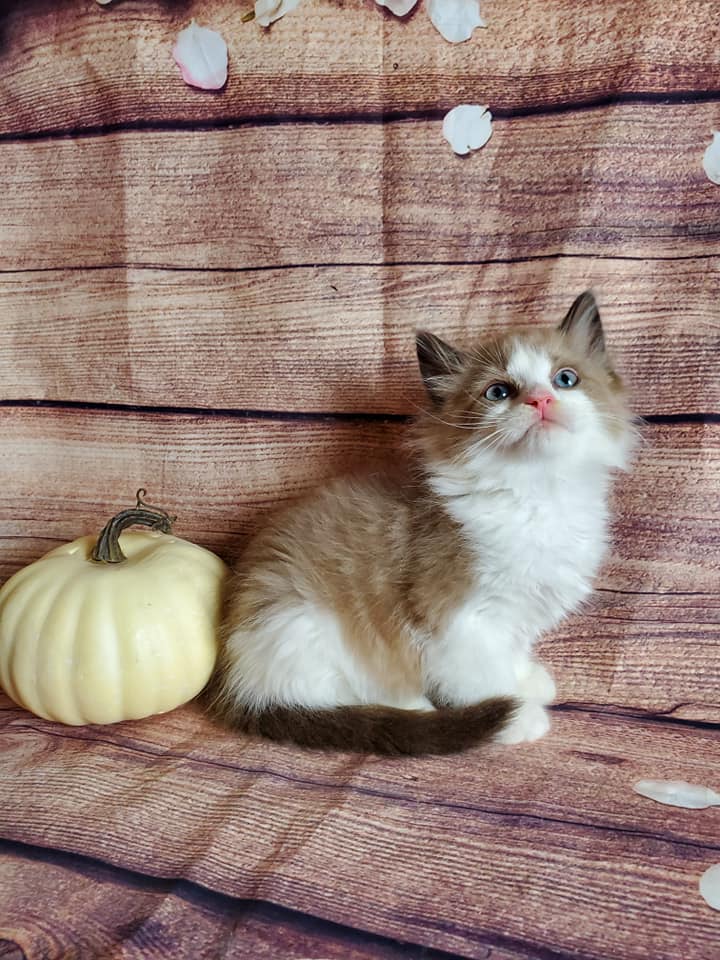
A Safer Holiday Journey With Your Ragdoll Kitten
Holiday travel can be exciting for people, but a change in routine may feel overwhelming to a Ragdoll kitten. New sounds, unfamiliar scents, crowded terminals, and long car rides all require thoughtful preparation. With the right plan, your kitten can travel more calmly and arrive ready to settle into a comfortable temporary home.
Ragdolls are known for their gentle, affectionate temperaments. Their relaxed nature can make them pleasant companions on the road, although every kitten responds differently to carriers, motion, and unfamiliar surroundings. A cage-free, family-raised kitten that has been handled daily may already be familiar with human contact, but travel still deserves careful preparation.
Before making arrangements, consider whether the kitten truly needs to travel. A trusted caregiver or quiet home environment may be less stressful than a long journey. If travel is necessary, plan around the kitten’s health, age, temperament, and the length of the trip.
Prepare your kitten well before departure
Begin carrier training several weeks before the holiday. Place a secure, airline-approved carrier in a familiar room with the door open. Add a washable blanket, a safe toy, and occasional treats so the carrier becomes part of the kitten’s normal environment rather than a signal that something unpleasant is about to happen.
Practice short sessions first, then gradually increase the time inside. Once your kitten is comfortable, take brief car rides and return home afterward. Keep the carrier secured with a seat belt or positioned safely on the floor behind a front seat. Never allow a kitten to roam freely in a moving vehicle.
Schedule a veterinary check
A pre-travel examination can identify health concerns before they become problems away from home. Ask the veterinarian to review vaccinations, parasite prevention, microchip information, and any documentation required by your destination, airline, or lodging provider. Requirements can differ between states, airlines, and international locations.
Health screening is especially important for a young purebred cat. Responsible Ragdoll breeding programs may screen for conditions such as hypertrophic cardiomyopathy, FIV, FeLV, and feline heartworm disease, but a travel examination still confirms that the individual kitten is fit for the planned journey. Keep medical records, vaccination details, and emergency contact information in both paper and digital form.
Choose the safest travel method
For most holiday trips, a private vehicle provides more control over temperature, rest stops, feeding, and noise. Keep the kitten in a sturdy carrier throughout the ride, and avoid placing the carrier in direct sunlight or near heating vents. Maintain a comfortable temperature, especially during winter travel through Montana or other cold regions.
Air travel requires additional planning. Confirm the airline’s current pet policy, carrier dimensions, cabin restrictions, health certificate rules, and seasonal temperature limitations before booking. A kitten traveling in the cabin should remain in its carrier during security procedures and throughout the flight unless airline staff provide different instructions.
| Travel situation | Key preparations | Main risks to manage |
|---|---|---|
| Short car trip | Secure carrier, familiar blanket, small water supply | Motion sickness, escape, overheating |
| Long car journey | Planned stops, litter setup, food and water, backup supplies | Dehydration, stress, delays |
| Cabin flight | Approved carrier, airline documents, absorbent liner | Noise, airport crowds, carrier restrictions |
| Winter travel | Warm bedding, temperature checks, indoor handoffs | Cold exposure, icy roads, cancellations |
| Holiday lodging | Pet approval, quiet room, closed doors and windows | Escape, toxic decorations, unfamiliar animals |
Pack supplies for comfort and emergencies
Bring more supplies than you expect to use. A travel kit should include food the kitten already eats, bottled water, collapsible bowls, waste bags, paper towels, disinfecting wipes safe for pets, spare bedding, and a small litter tray. Sudden food changes can cause digestive upset, so holiday travel is not the time to introduce a new diet.
Pack identification details on the carrier, including your name and phone number. A microchip provides permanent identification, but it should be registered with current contact information before departure. A recent photograph can also help if the kitten becomes separated from you.
Protect routines during the journey
Offer a light meal several hours before departure rather than a large feeding immediately beforehand. Follow your veterinarian’s advice about food, water, and motion sickness. Do not give sedatives unless specifically prescribed and explained by a veterinarian; some medications can affect breathing, balance, or the ability to regulate body temperature.
During a road trip, stop in a secure location and check the kitten regularly. Never open the carrier outdoors or in a parking area. If a litter break is needed, use a closed room or a properly secured enclosure. Never leave a kitten alone in a parked vehicle, even for a short errand.
Make the destination kitten-safe
Before releasing the kitten, inspect the room where it will stay. Close windows, secure doors, remove accessible cords, and keep cleaning products, medications, candles, plants, and small decorations out of reach. Tinsel, ribbon, ornament hooks, and electrical wires can cause serious injuries if chewed or swallowed.
Give the kitten a quiet base room with food, water, litter, a scratching surface, and familiar bedding. Let the kitten explore gradually rather than introducing it to a crowded celebration immediately. Visitors should approach calmly, allow the kitten to initiate contact, and avoid passing it from person to person.
Recognize stress and know when to seek help
Some travel stress is normal. Hiding, vocalizing, reduced interest in food, or a temporary change in litter habits may occur during the first hours in a new place. A predictable routine, familiar scents, and a calm environment usually help the kitten adjust.
Contact a veterinarian promptly if the kitten has repeated vomiting, severe diarrhea, trouble breathing, extreme weakness, signs of overheating or chilling, or refuses food and water for an unusual length of time. Keep the contact details for a local veterinary clinic at your destination, since holiday hours may be limited.
Final preparations for a smoother trip
- Confirm airline, lodging, vaccination, and destination requirements several days before leaving.
- Attach identification to the carrier and verify the kitten’s microchip registration.
- Use familiar food, bedding, litter, and feeding times throughout the journey.
- Keep the carrier closed and secured whenever the kitten is outside a private indoor room.
- Save your regular veterinarian’s number and a destination emergency clinic in your phone.
A well-prepared journey begins with choosing a healthy, well-socialized kitten and matching the travel plan to its needs. Ragdoll Kittens Cattery in Helena, Montana, raises kittens indoors in a family environment and handles them daily to support confident, affectionate temperaments. Contact the cattery to learn about available Ragdoll kittens, health information, and the adoption process before planning your next holiday trip.