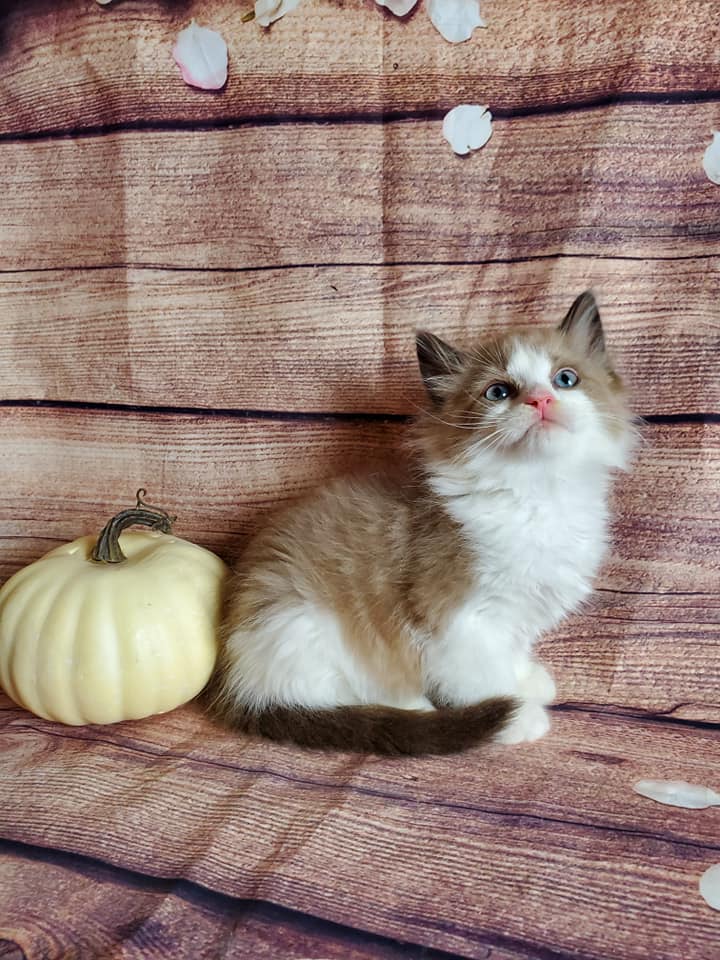
Recognizing a healthy Ragdoll kitten
Choosing a Ragdoll kitten is an important decision, especially when you hope to welcome a loving companion or therapy cat into your home. A healthy kitten should show more than an attractive coat and the breed’s famous blue eyes. Physical condition, behavior, medical records, and the environment in which the kitten is raised all provide valuable clues.
Ragdolls develop at their own pace, and young kittens can look slightly different as their color and markings mature. Still, certain signs are consistent across healthy kittens: clear eyes, clean ears, steady movement, a good appetite, and relaxed interest in people.
A responsible cattery should be willing to explain its health protocols, answer questions about the parents, and provide veterinary documentation. At Ragdoll Kittens Cattery, kittens are raised indoors in a cage-free family setting and handled daily, helping them become comfortable with normal household activity.
Look at the kitten’s overall condition
A healthy Ragdoll kitten generally has a softly rounded body, good muscle tone, and a weight appropriate for its age. The kitten should feel sturdy when gently held, without prominent ribs, a swollen abdomen, or signs of unusual thinness. Ragdolls are slow-maturing cats, so a kitten does not need to look large to be healthy.
The coat should be clean, soft, and reasonably glossy. A little kitten fluff or mild shedding is normal, but bald patches, heavy dandruff, greasy fur, scabs, or persistent scratching deserve further investigation. Check the area beneath the tail as well; it should be clean, without diarrhea, inflammation, or stuck fecal matter.
Healthy kittens are usually alert during their active periods. They may nap frequently, yet they should wake easily, stretch, explore, and respond to gentle interaction. A kitten that remains weak, limp, disoriented, or unusually isolated should be assessed by a veterinarian before adoption.
Check the eyes, ears, nose, and mouth
Ragdoll kitten eyes should be bright and clear, with no thick discharge, swelling, cloudiness, or persistent squinting. A small amount of dried material can occur after sleep, but recurring crust or excessive tearing may indicate irritation or infection. The eyes should also appear similar in size and openness.
The ears should be free from strong odor, heavy wax, redness, and dark debris that resembles coffee grounds. The nose may be slightly moist, but continuous discharge, noisy breathing, coughing, or repeated sneezing can signal respiratory illness. Ask whether the kitten has recently experienced any symptoms and what treatment was provided.
A quick look at the mouth can reveal additional information. Gums should be pink rather than pale, gray, or yellow, and there should be no severe mouth odor or visible sores. Young kittens may be teething, but difficulty eating, excessive drooling, or trouble swallowing warrants veterinary attention.
Notice movement, appetite, and digestion
Watch the kitten walk and play on a level surface. Healthy movement should be coordinated, with even use of all four legs and no obvious limping, stiffness, tremors, or loss of balance. Brief clumsiness during energetic play is normal for a young kitten, while persistent weakness is not.
Ask what food the kitten currently eats, how often meals are offered, and whether the kitten is fully weaned. A healthy Ragdoll should show interest in food and water and maintain regular urination and bowel movements. Sudden changes in appetite, repeated vomiting, watery diarrhea, or a distended belly should be discussed with a veterinary professional.
Use the following signs as a practical starting point, not as a substitute for a professional examination:
| Area to check | Reassuring signs | Signs that need attention |
|---|---|---|
| Eyes | Clear, bright, open normally | Discharge, squinting, swelling, cloudiness |
| Ears | Clean, odor-free, minimal wax | Dark debris, redness, strong odor |
| Coat and skin | Soft, clean, no excessive scratching | Bald spots, scabs, fleas, heavy dandruff |
| Movement | Balanced walking and playful activity | Limping, tremors, weakness, poor coordination |
| Digestion | Good appetite and formed stools | Vomiting, persistent diarrhea, swollen abdomen |
| Behavior | Curious, responsive, comfortable with handling | Lethargy, panic, constant hiding, unusual aggression |
Review testing and veterinary records
A trustworthy breeder should provide a record of veterinary examinations, vaccinations, deworming, and preventive care. The document should identify the kitten, include examination dates, and show when follow-up care is due. Ask whether the kitten has been examined for a heart murmur, hernia, parasites, and common signs of infection.
Because Ragdolls can be affected by inherited hypertrophic cardiomyopathy, or HCM, ask about health screening for the parents. Genetic testing can be useful, although no single test replaces regular veterinary evaluation. It is also reasonable to ask whether the cattery screens for FIV, FeLV, and feline heartworm disease as part of its broader health program.
A health guarantee should be written clearly, including its coverage period and any requirements for an examination after adoption. Arrange a checkup with your own veterinarian soon after bringing the kitten home. This confirms the kitten’s condition in a new setting and establishes a baseline medical record.
Consider temperament and living conditions
Ragdolls are known for their gentle, people-oriented nature, but every kitten has an individual personality. A well-socialized kitten may approach visitors, accept gentle handling, play with toys, and recover fairly quickly after a new sound or movement. It does not need to be outgoing every second; brief caution is normal in an unfamiliar situation.
The kitten’s environment matters as much as its behavior during a visit. Clean bedding, fresh water, safe enrichment, and access to caregivers suggest attentive daily care. Kittens raised in a home environment typically encounter household sounds, different surfaces, grooming, and ordinary handling before adoption.
Ask how the kitten has been introduced to nail trims, carriers, children, other pets, and routine grooming. Before arrival, review advice on how to prepare your home so the transition is calmer and safer. A quiet starter room, secure windows, appropriate litter, and familiar food can reduce stress.
Ask focused questions before adoption
A breeder’s willingness to share information is an important part of evaluating a healthy kitten. Vague answers about medical history, parent testing, diet, or socialization should prompt caution. You should receive enough information to understand the kitten’s current needs and plan the first weeks at home.
Use these questions and observations during your visit or conversation:
- Can I review the kitten’s vaccination, deworming, and veterinary examination records?
- What health screening has been completed for the parents, including HCM, FIV, FeLV, and feline heartworm disease?
- What food, litter, grooming routine, and daily schedule does the kitten currently use?
- How has the kitten been socialized with handling, household sounds, visitors, and other animals?
- What does the written health guarantee cover, and when should my veterinarian examine the kitten?
A healthy Ragdoll kitten should leave you with both a positive impression and clear documentation. Look for bright eyes, clean features, steady growth, comfortable movement, a good appetite, and a relaxed response to people. Combine those observations with responsible breeding practices and an independent veterinary check.
When you are ready to find a well-socialized Ragdoll companion, contact Ragdoll Kittens Cattery to learn about available kittens, health care, colors, markings, and the adoption process.