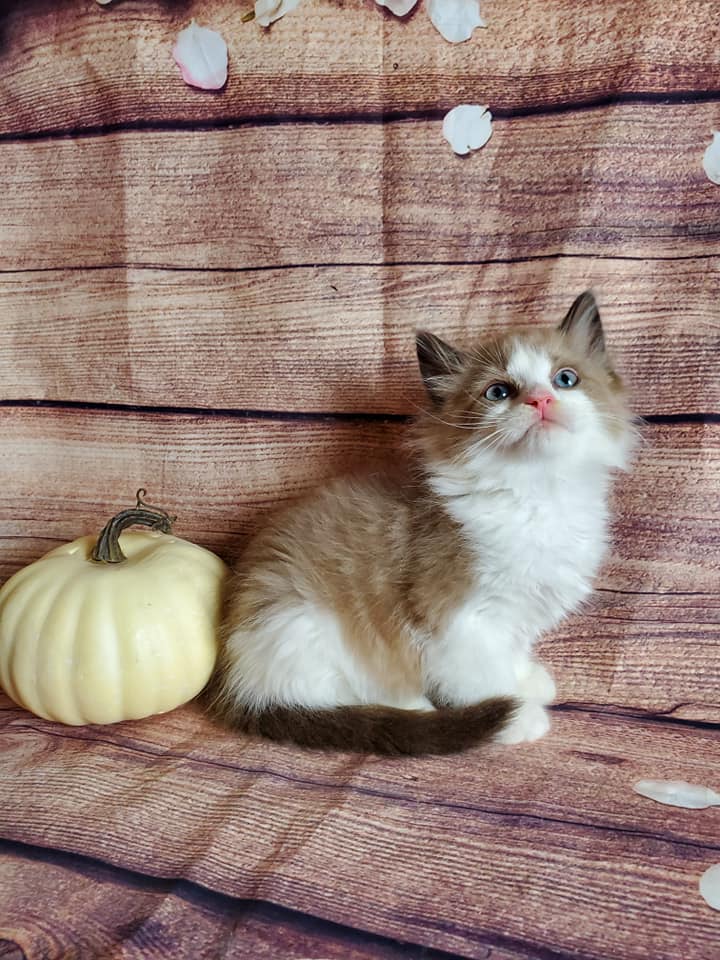
Seasonal Care Tips for Your Ragdoll in Montana’s Climate
Seasonal care tips for your Ragdoll in Montana’s climate should account for sharp temperature changes, dry indoor air, winter snow, summer heat, and spring allergens. Ragdolls are gentle, social cats with semi-long coats, so their comfort depends on both environmental management and regular hands-on care.
Montana weather can shift quickly from sunny and mild to cold, windy, or stormy. Keeping your cat indoors, maintaining a predictable routine, and watching for subtle changes in appetite, grooming, and energy will help you respond before a minor seasonal issue becomes a health concern.
Ragdolls also benefit from calm family interaction throughout the year. Daily handling supports coat care, nail checks, and early recognition of lumps, skin irritation, breathing changes, or mobility problems.
Understanding Montana’s Seasonal Rhythm
Spring often brings fluctuating temperatures, muddy conditions, pollen, and increased shedding. Summer may produce dry heat and intense afternoon sun, while autumn can arrive with sudden cold nights. Winter brings low humidity, icy surfaces, snow, and extended periods spent indoors.
A comfortable home environment matters more than outdoor temperature alone. Keep your Ragdoll away from drafts, direct heat vents, and overheating rooms. A quiet resting area with a soft bed allows your cat to choose a comfortable location while remaining close to the household.
Spring Grooming And Allergy Care
As your Ragdoll sheds its winter coat, brush gently several times a week using a stainless-steel comb or a soft slicker brush. Pay special attention to the chest, “britches,” armpits, and behind the ears, where fine hair can tangle. Regular grooming reduces loose fur and helps prevent painful mats.
Pollen can cling to paws and fur, especially if a cat has access to a screened porch or enclosed outdoor space. Wipe paws with a damp, fragrance-free cloth when needed, and wash bedding regularly. Avoid essential oil diffusers and heavily scented cleaners, which may irritate sensitive airways.
Spring is also a useful time to schedule a wellness examination. Discuss parasite prevention with your veterinarian, including products appropriate for Montana and your cat’s lifestyle. Fleas, ticks, and feline heartworm disease remain possible even in cooler regions.
Summer Comfort And Indoor Safety
Ragdolls have a thick coat and may be less tolerant of hot weather than short-haired cats. Provide fresh water in several locations, encourage hydration with wet food if appropriate, and use fans or air conditioning to keep indoor temperatures stable. Never leave a cat in a parked vehicle, enclosed sunroom, or poorly ventilated room.
| Seasonal concern | Helpful care | Warning signs |
|---|---|---|
| Spring shedding | Frequent combing and mat checks | Skin redness, bald areas, persistent licking |
| Summer heat | Shade, cool rooms, fresh water | Open-mouth breathing, weakness, collapse |
| Autumn dryness | Moisture support and coat checks | Cracked paw pads, dandruff, excessive scratching |
| Winter cold | Warm bedding and secure indoor routines | Shivering, lethargy, cold ears or paws |
Window safety deserves extra attention during warm months. Secure screens firmly, especially in upper-story rooms, and avoid leaving windows open wide enough for a curious cat to squeeze through. If your Ragdoll enjoys a catio, inspect the enclosure for sharp edges, gaps, and hot flooring before use.
Autumn Preparation For Colder Weather
Autumn is the right time to prepare your home for Montana’s winter. Check that heated beds, blankets, and favorite resting spots are clean and free from damaged cords. Keep beds away from fireplaces, wood stoves, and portable heaters, since curious cats can suffer burns or knock over equipment.
Dry indoor air can contribute to flaky skin and static-filled fur. Gentle brushing, adequate water intake, and a veterinarian-approved humidifier may help. Clean humidifiers frequently to prevent mold and bacterial growth, and keep electrical cords protected from chewing.
Before the first hard freeze, arrange any routine veterinary care and refill prescribed medications. The team behind the cattery’s approach emphasizes a family environment and attentive handling, values that also make regular home health checks easier for Ragdoll owners.
Winter Warmth And Paw Protection
Ragdolls should remain indoors during snow, freezing rain, and severe wind. Even cats that appear interested in the outdoors can become disoriented or develop cold-related injuries. Create enriching indoor spaces with climbing furniture, puzzle feeders, window perches, and daily play sessions.
Ice-melting products and road salt can irritate paw pads or cause illness if licked from the feet. Keep winter chemicals stored securely, wipe paws after accidental contact, and avoid using unsafe deicers around indoor-outdoor areas. Inspect paws for cracks, redness, or trapped ice, but do not pull stuck material forcefully.
Cold weather can also hide changes in activity. A Ragdoll that sleeps slightly more may simply be responding to shorter days, but persistent lethargy, reduced appetite, coughing, vomiting, or difficulty breathing requires prompt veterinary advice. Cats often conceal discomfort, making behavior changes important.
Everyday Habits For A Healthy Ragdoll
Consistent care makes seasonal transitions easier. Record your cat’s normal weight, appetite, litter box habits, and activity level so changes are easier to identify. A healthy adult Ragdoll can still develop dental, heart, urinary, or joint problems, so routine examinations remain important.
Use this simple checklist as the weather changes:
- Brush the coat and check for mats, skin irritation, or parasites.
- Refresh water bowls and inspect food storage for freshness.
- Check windows, screens, heaters, cords, and seasonal decorations.
- Examine paws after contact with snow, salt, mud, or hot surfaces.
- Keep vaccinations, wellness visits, and parasite prevention current.
Ragdolls thrive on companionship, so include grooming and health checks in relaxed family routines. Short, positive sessions are usually more successful than holding a cat for too long, particularly when checking paws, ears, teeth, or the underside of the coat.
Give your Ragdoll a comfortable seasonal routine, monitor changes early, and consult a qualified veterinarian when symptoms persist or appear suddenly. Families considering a well-socialized purebred kitten can learn more about responsible care and available support through Ragdoll Kittens Cattery’s resources.