Should You Microchip Your Ragdoll Kitten?
Bringing home a Ragdoll kitten is an exciting step, especially when the kitten has been raised in a calm, family-centered environment. These affectionate, trusting cats often form strong bonds with their people, yet their gentle nature can also make them less cautious if they slip outdoors or become separated from home.
A microchip offers permanent identification that cannot fall off like a collar tag. It is a small device placed beneath the skin, usually between the shoulder blades, and it stores an identification number connected to your contact information in a registry.
For most Ragdoll families, microchipping is a sensible safety measure. Still, it is useful to understand how the procedure works, what it can and cannot do, and which responsibilities come with having a chipped cat.
How Microchipping Works
A veterinary professional inserts the microchip with a sterile applicator in a procedure that takes only a few seconds. The chip is about the size of a grain of rice and does not contain a battery, tracking device, or GPS. A scanner reads its unique number when a lost cat arrives at a veterinary clinic, shelter, or animal control facility.
The chip itself is only one part of the identification system. You must register it with your name, telephone number, email address, and home address, then update those details whenever they change. Ask your veterinarian to scan the chip during routine appointments to confirm that it remains readable and has not migrated from its original position.
Benefits For A Ragdoll Kitten
The main advantage is reliable recovery if your kitten escapes, is found far from home, or becomes separated from you during travel. Collars can break, snag, or be removed, while a properly registered microchip remains with the cat for life. Shelters and clinics commonly scan unidentified animals before arranging adoption.
Microchipping can also support ownership records if a dispute occurs. Keep the registration information current and save the chip number with your vaccination and adoption documents. A permanent ID complements, rather than replaces, a secure carrier, careful door habits, and an identification tag.
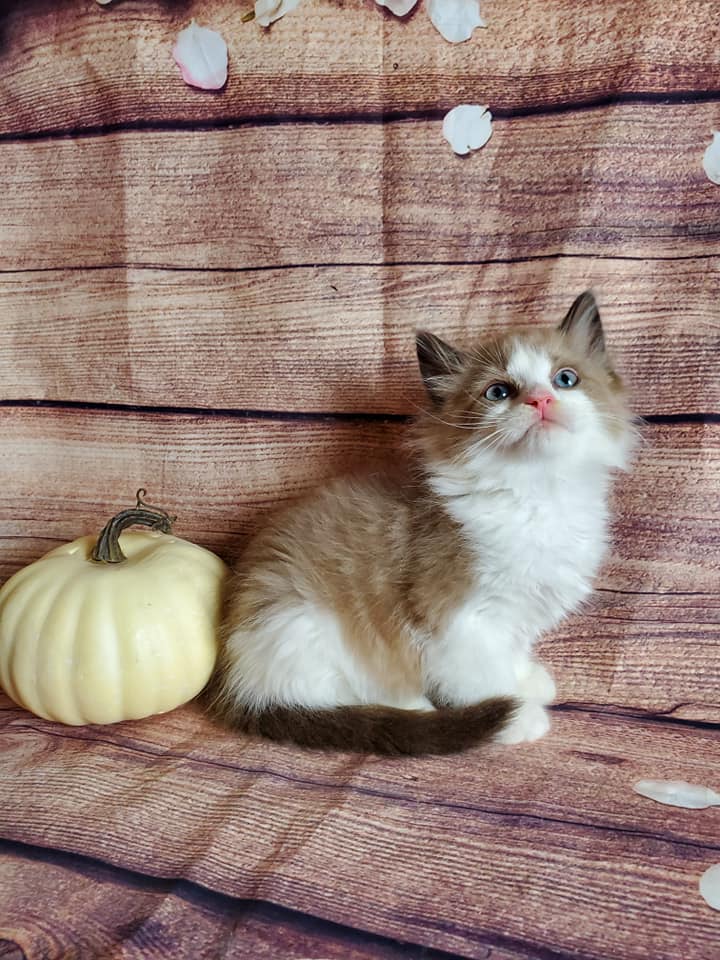
Ragdolls are known for their striking appearance, including their characteristic blue eyes. Learning about blue eye genetics can help owners appreciate the breed’s traits, but appearance alone cannot prove ownership when a cat is lost.
Possible Drawbacks And Limitations
The procedure may cause brief discomfort, similar to a vaccination. Some kittens may flinch or vocalize, and mild tenderness can occur afterward. Serious complications are uncommon, but any injection site should be monitored for swelling, discharge, heat, or persistent sensitivity.
A microchip does not tell you where your cat is in real time. If you want location tracking, you would need a separate GPS device, usually attached to a collar. A chip also cannot help a shelter contact you if the number was never registered or if your phone and address details are outdated.
Although migration is possible, it is generally uncommon and does not usually prevent scanning. The more practical concern is failure to complete the registration process after adoption. Ask the cattery or veterinarian which registry holds the chip information and verify that the transfer has been completed.
Comparing Identification Options
No single identification method is perfect. The strongest approach combines permanent identification with visible contact information and responsible household safety practices.
| Identification method | Main benefit | Main limitation | Best use |
|---|---|---|---|
| Microchip | Permanent, hidden identification | Requires a scanner and current registration | Long-term ownership protection |
| Collar tag | Contact details visible immediately | Can fall off or become damaged | Fast visual identification |
| GPS tracker | Provides location data | Requires charging, a collar, and often a subscription | Outdoor access or travel |
| Tattoo | Visible permanent mark in some cases | Can fade and may be difficult to interpret | Additional backup identification |
| Home security habits | Reduces escape risk | Cannot help after a disappearance | Everyday prevention |
For an indoor Ragdoll, a microchip is still worthwhile because accidents happen during moves, repairs, deliveries, storms, and vacations. An open door or damaged window screen can turn a carefully supervised cat into a missing pet within moments.
Timing, Safety, And Veterinary Care
Many kittens can be microchipped during a regular veterinary visit, often at the same appointment as vaccinations or a wellness examination. Your veterinarian can recommend appropriate timing based on the kitten’s age, size, health, and vaccination schedule. The procedure generally does not require anesthesia.
Choose a clinic that uses sterile equipment and scans the chip after placement. Keep the adoption contract, medical records, registration confirmation, and chip number together. If your kitten is traveling across state lines or internationally, check current animal identification and vaccination requirements well in advance.
Microchipping is separate from health screening. Responsible Ragdoll care may include discussions about HCM, FIV, FeLV, parasite prevention, and other routine veterinary needs. Identification protects your kitten’s chances of coming home, while preventive care supports a healthy life once your kitten is there.
Steps That Make Microchipping More Effective
Before bringing a Ragdoll kitten home, prepare a simple identification file and make sure every household member knows how to prevent escapes. Use a breakaway collar only if your veterinarian considers it appropriate, and check that the tag remains legible.
The following habits improve the value of a microchip:
- Register the chip immediately after adoption.
- Add at least one mobile telephone number and an email address.
- Update the registry after moving, changing numbers, or transferring ownership.
- Ask for a chip scan during annual wellness visits.
- Keep a recent photograph and written description of your Ragdoll kitten.
A calm indoor environment, secure screens, and supervised transitions are especially important for a sociable breed. If your cat does go missing, contact local shelters, veterinary clinics, animal control agencies, and the microchip registry promptly.
Making The Decision For Your Kitten
For most owners, the benefits outweigh the minor disadvantages. The procedure is quick, the chip is designed to remain in place for life, and it can provide a critical link between a lost Ragdoll and the family searching for them.
Microchipping should be viewed as one part of a broader safety plan rather than a substitute for supervision. When combined with current records, a secure home, a carrier for travel, and visible identification where suitable, it offers valuable protection for a cherished companion.
If you are preparing to adopt a Ragdoll kitten, discuss microchipping with your veterinarian and confirm whether the kitten already has a chip before placement. Register the number as soon as ownership changes, keep the information current, and give your new family member the strongest possible chance of finding the way home.