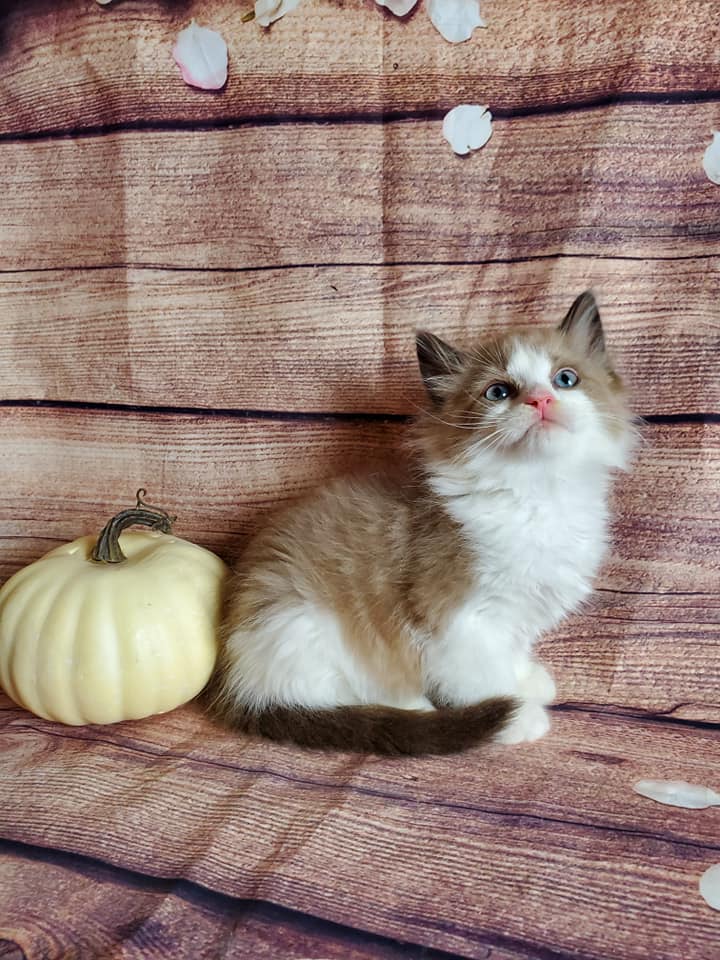
Spaying and Neutering Your Ragdoll: Timing and Benefits
Spaying or neutering is an important part of responsible Ragdoll ownership. These procedures prevent unwanted litters, reduce certain health risks, and can make life with a companion cat easier. Because Ragdolls mature slowly and may continue developing well beyond kittenhood, timing deserves an individualized conversation with your veterinarian.
At Ragdoll Kittens Cattery in Helena, Montana, kittens are raised indoors in a cage-free family environment and handled daily. Families adopting a purebred Ragdoll should review the purchase agreement, veterinary records, and any requirement for sterilization before making an appointment.
What Spaying And Neutering Involve
Spaying is the surgical removal of a female cat’s ovaries and usually the uterus. Neutering, also called castration, removes a male cat’s testicles. Both procedures are performed under general anesthesia, with pain control and recovery monitoring provided by the veterinary team.
A preoperative examination helps determine whether a kitten or adult cat is ready for surgery. Your veterinarian may recommend bloodwork, especially for an older Ragdoll or one with an unknown medical history. A healthy body weight, current vaccinations, and parasite prevention can also support a smoother recovery.
Choosing The Right Age
Many veterinarians recommend sterilization around four to six months of age, ideally before puberty and the possibility of accidental breeding. Some practices perform pediatric spay and neuter procedures earlier, while others prefer to wait until a kitten is slightly older or larger.
Ragdolls are a large, slow-maturing breed, so physical development may influence the schedule. Waiting does not automatically provide a health advantage, and delaying too long can allow female heat cycles, male marking, roaming, or breeding behavior to begin. The best date depends on sex, size, health, anesthesia risk, and your veterinarian’s protocol.
A breeder contract may specify when a kitten must be altered. Ask whether the cattery places kittens as already sterilized pets, provides a spay-neuter agreement, or expects the new family to arrange the procedure. Keep the written terms with your kitten’s medical records.
Health Benefits For Your Cat
Spaying eliminates heat cycles and prevents pregnancy. It also removes the risk of uterine infection called pyometra, a potentially life-threatening condition. When performed before the first heat, spaying can substantially reduce the risk of mammary cancer, although no procedure eliminates every future health concern.
Neutering prevents testicular cancer and greatly reduces the likelihood of reproductive disorders. It can also decrease hormone-driven roaming, fighting, and urine spraying. These changes are most reliable when surgery occurs before such habits become established, though neutering is still valuable for adult males.
Sterilization does not replace routine veterinary care. Ragdolls should continue receiving wellness examinations, vaccinations, dental assessments, parasite prevention, and appropriate screening. Responsible breeders may also discuss family health history and testing related to conditions such as hypertrophic cardiomyopathy, FIV, FeLV, or feline heartworm disease.
Behavior And Everyday Life
An unspayed female may become vocal, restless, affectionate, or determined to escape during a heat cycle. Repeated cycles can be stressful for the household and create a constant risk of pregnancy. Spaying removes these reproductive behaviors rather than simply masking them.
An intact male may show stronger territorial instincts, including spraying, mounting, and attempts to leave the home. Neutering often reduces these behaviors, but personality remains individual. A gentle, social Ragdoll will still need play, climbing opportunities, affection, and positive training after surgery.
Sterilized cats can gain excess weight if food portions and activity are not adjusted. Ragdolls already benefit from careful weight monitoring because of their large frame and relaxed temperament. Use measured meals, interactive play, and regular weigh-ins instead of assuming that free-choice feeding is appropriate.
| Consideration | Female Ragdoll | Male Ragdoll |
|---|---|---|
| Procedure | Spay | Neuter |
| Main reproductive benefit | Prevents pregnancy and heat cycles | Prevents breeding |
| Important health benefit | Prevents pyometra and lowers mammary cancer risk | Eliminates testicular cancer risk |
| Common behavior changes | Less heat-related calling and escape behavior | Less marking, roaming, and fighting |
| Recovery considerations | Abdominal incision and quieter activity | Usually smaller external incision, but activity restriction still matters |
| Timing discussion | Often before the first heat, based on veterinary advice | Often before puberty, based on veterinary advice |
Preparing For Surgery
Follow the clinic’s fasting instructions exactly. Food and water rules can differ according to age, anesthesia plan, and appointment time, so do not rely on general advice from another pet owner. Tell the veterinary team about medications, supplements, unusual symptoms, and any recent illness.
Prepare a quiet indoor recovery area before bringing your Ragdoll home. Keep other pets and young children from roughhousing with the patient, and use an e-collar or recovery suit if recommended. Check the incision daily without applying creams or disinfectants unless the veterinarian specifically instructs you to do so.
Sleepiness and mild soreness are common during the first day. Contact the clinic promptly if you notice persistent vomiting, breathing difficulty, severe lethargy, uncontrolled pain, significant swelling, discharge, bleeding, or refusal to eat that lasts beyond the expected recovery period.
Supporting A Healthy Recovery
Most cats begin returning to normal quickly, but internal healing takes longer than the incision may suggest. Restrict jumping, climbing, vigorous play, and outdoor access for the period recommended by the veterinarian. A secure, comfortable room can help a playful Ragdoll rest.
Offer small amounts of food when your veterinarian says it is safe. Fresh water should remain available unless the clinic gives different instructions. Prevent licking or chewing at the incision, since irritation can delay healing or cause infection.
At the follow-up visit, ask whether the incision has healed properly and when normal activity can resume. Update your cat’s identification and medical records, including the surgery date, microchip information, vaccination history, and any future nutrition recommendations.
Practical Care Decisions For Families
A well-planned procedure is easier when the family understands both the medical reason and the daily responsibilities afterward. Use these steps to prepare:
- Schedule a pre-surgical examination with a veterinarian familiar with cats and anesthesia.
- Confirm the recommended age, fasting instructions, pain-control plan, and estimated recovery period.
- Review the breeder contract and retain health records from the Ragdoll cattery.
- Prepare a calm indoor space, suitable food, and a way to prevent licking or excessive activity.
- Monitor body condition after surgery and adjust portions with veterinary guidance.
Spaying or neutering can help protect your Ragdoll’s long-term health while supporting a stable, indoor family life. When you are considering a kitten, contact Ragdoll Kittens Cattery to learn about available litters, health information, adoption requirements, and the care plan for bringing a socialized Ragdoll into your home.