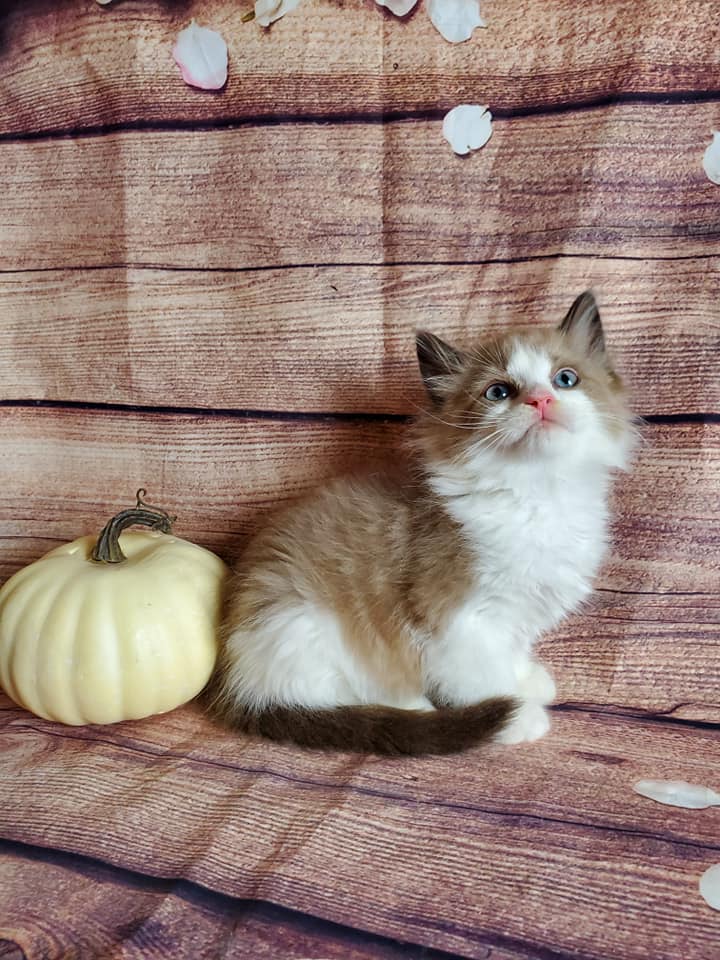
The advantages of adopting a Ragdoll from a hobby cattery
Ragdoll Kittens Cattery is a small, TICA-registered hobby cattery in Helena, Montana, focused on purebred Ragdoll kittens. Its cats live indoors in a cage-free family home, where kittens are handled every day. The advantages of adopting a Ragdoll from a hobby cattery include personal socialisation, planned litters and clear information about colour, markings and breed traits.
For Australian families, those qualities can be especially valuable in a market where pedigree kittens are popular and vet fees can be substantial. Yet a Montana-to-Australia adoption also involves distance, permits, quarantine and careful planning. The decision should combine the cattery’s standards with an honest assessment of the kitten’s needs in your home.
A Ragdoll is not a generic substitute for any cat. Breed tendencies offer a useful starting point, but individual health, confidence and preferences still matter. The right choice is a healthy kitten with documented care, a suitable household and an adoption route that can be completed lawfully and safely.
A small cattery with a personal approach
A hobby cattery generally means a small, carefully managed breeding home rather than a high-volume facility. At Ragdoll Kittens Cattery, family participation is part of raising each kitten, while limited availability can support careful placement. Prospective buyers can ask how littens are planned, which social experiences they receive and whether the cattery is placing kittens as pets or considering therapy-cat homes.
TICA registration provides a formal reference point for the cattery’s breed activities, while pedigree and parentage information help buyers understand the kitten’s expected type. Prospective owners should still request records directly and compare them with their own priorities. This Ragdoll breed overview can also serve as background reading before discussing colours, markings and personality with the breeder.
Health testing and trustworthy records
Health protection begins with clear records. Ragdoll Kittens Cattery reports screening for HCM, or hypertrophic cardiomyopathy, FIV, FeLV and feline heartworm disease. Buyers should ask for dated reports, the testing laboratory and any follow-up advice, plus vaccination, deworming and microchip records. Screening describes a kitten’s status at that point; it cannot guarantee lifelong freedom from inherited or acquired illness.
Transparent communication matters as much as a checklist. A good breeder should explain test methods, identify parentage, discuss a kitten’s observations and disclose veterinary concerns without exaggeration. In Australia, insurance may help with unexpected treatment costs, although waiting periods, annual limits and exclusions apply, so a health record is the starting point rather than a substitute for cover.
| Consideration | Ragdoll Kittens Cattery | Large commercial operation | Local Australian rescue |
|---|---|---|---|
| Setting | Cage-free family home with daily handling | May be facility-based or organised into multiple rooms | Usually foster-based or shelter-based |
| Documentation | TICA registration, pedigree details and stated health screening | Records and policies should be checked individually | Veterinary records are common, but pedigree information may be absent |
| Socialisation | Daily handling and exposure to family life | Varies with each breeder | Depends on individual foster or volunteer care |
| Availability | Limited, planned placements | Often a continuing supply | Seasonal and often mixed-breed |
| Buyer fit | Families seeking a pedigree Ragdoll and guidance | Buyers prioritising volume or rapid choice | Adopters open to whichever cat is available |
Socialisation, temperament and home readiness
Daily handling can help a kitten become comfortable with people, household routines and being examined. A family home exposes young cats to ordinary sounds and movement, while calm, positive handling builds the confidence needed for nail trims, brushing and later veterinary visits. Socialisation cannot remove every fear, but a kitten that has been handled gently usually enters a new home with fewer surprises.
Ragdolls are often described as relaxed, sociable and eager to be near their people, yet each cat has its own tolerance for activity and solitude. For therapy work, breeders should assess suitability rather than treat breed reputation as proof. In Australian aged-care and community programmes, a calm, robust temperament may suit the role, while travel, certification and the handler’s own protocols remain separate requirements.
Fitting a Ragdoll into Australian daily life
Australian homes vary from compact flats in Sydney and Melbourne to detached houses in regional towns. A pedigree Ragdoll can adjust to either, provided the home provides vertical space, daily play, scratching options and a safe retreat. Secure window screens and balcony barriers are essential in apartments, and many urban households keep cats indoors to manage traffic, wildlife and escape risks.
Climate also shapes the daily routine. Semi-longhair Ragdolls need regular grooming and may shed heavily, while warm weather in Brisbane or inland Australia calls for shade, fans or air-conditioning and a cool indoor place to rest. Water should always be available. Leaving a Ragdoll outside in a conventional run is rarely suitable because coat condition, temperature and local wildlife create additional risks.
Distance, cost and Australian requirements
The largest practical difference for Australia is geographic distance. Moving a kitten from Montana involves international freight, export documents, veterinary certification and government biosecurity controls. Depending on current rules and the destination state or territory, import may require permits, approved quarantine and compliance steps well before travel. Buyers should confirm the current pathway with the relevant Australian authorities and the cattery before paying non-refundable fees.
Local rules still apply after arrival. Registration, microchipping, desexing and welfare duties are administered through state, territory and council requirements; for example, New South Wales uses its companion-animal framework and local council registration, while other jurisdictions have separate rules. Buyers should also compare the total cost of transport and quarantine with locally bred Ragdolls and reputable rescues, then allow enough budget for food, litter, routine preventive care and a sensible veterinary reserve.
Preparing for a calm transition home
A safe transition starts before the kitten boards a flight. Create a quiet room with food, water, a litter tray, hiding places, scratching posts and a secure window, then give the new arrival time to explore at its own pace. Agree on feeding, play and grooming routines, and keep the household calm during the first days.
Before committing, use this practical adoption checklist:
- Request dated health-test reports, vaccination records and pedigree documentation.
- Confirm the import permit, quarantine arrangements and approved transport method in writing.
- Reserve funds for travel, compliance costs, routine care and possible treatment.
- Compare Australian pet-insurance terms, including waiting periods and exclusions.
- Prepare a household schedule for daily interaction, play, grooming and litter care.
The concrete next step is to ask Ragdoll Kittens Cattery for the current health records, adoption terms and total cost estimate for the kitten you are considering before making travel plans.