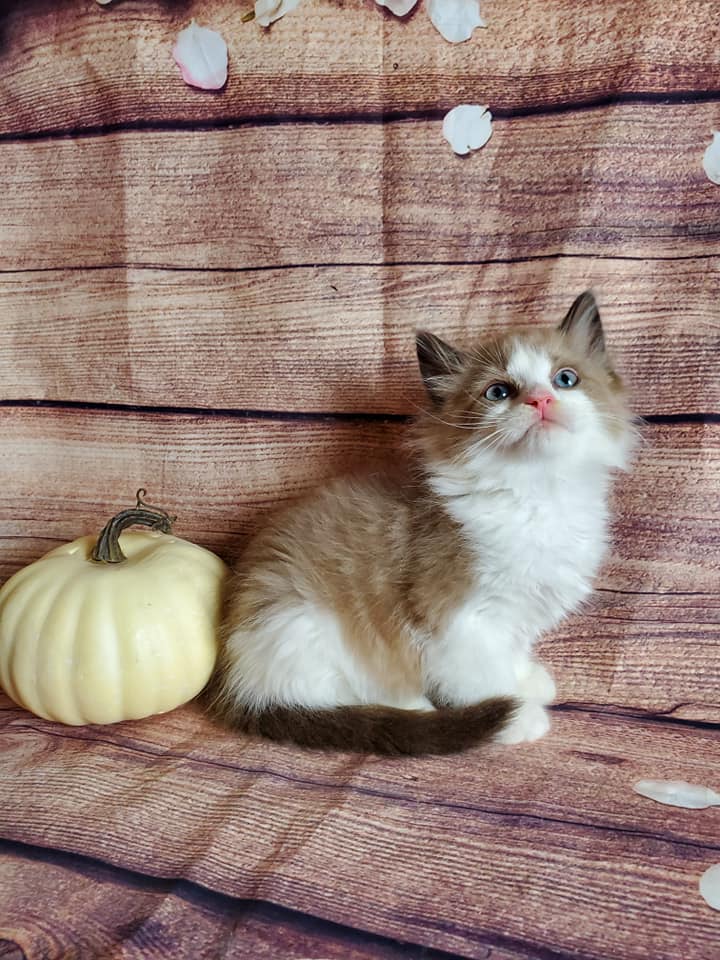
Why A Retired Ragdoll Can Be The Perfect Companion
A retired Ragdoll breeding cat can bring many of the qualities families hope to find in a companion: a gentle temperament, recognizable breed traits, and an established personality. Unlike a very young kitten, an adult cat has already developed habits that make daily care more predictable.
For families seeking a loving pet or therapy cat, adoption can also offer a meaningful second chapter for a cat that has completed its breeding life. At Ragdoll Kittens Cattery in Helena, Montana, retired cats may be considered for carefully matched homes where they can enjoy individual attention and a relaxed routine.
The transition still deserves thoughtful preparation. A retired queen or tom may need time to adjust from a cattery environment to a private home, but patience, consistency, and a calm setting can make the change rewarding for everyone.
A Gentle Path To Ragdoll Companionship
One of the clearest benefits is the opportunity to adopt an adult purebred Ragdoll without going through the most demanding stages of kitten care. Retired breeding cats are generally past the constant supervision, nighttime activity, and intensive social development associated with young kittens.
Their adult size and coat are already apparent, including features such as colorpoint shading, mittens, bicolor markings, or mitted patterns. Families can make a more informed decision because the cat’s appearance and general demeanor are easier to evaluate than those of a growing kitten.
A mature Ragdoll may also fit well into homes with established routines. While every cat has an individual personality, an adult’s energy level, social preferences, and response to handling are usually easier for a reputable breeder to describe accurately.
Predictable Personality And Established Habits
Retired cats have had time to show whether they enjoy laps, quiet companionship, play sessions, or interaction with several people. This background can be especially valuable when a family is looking for a calm emotional-support companion or therapy cat candidate.
A breeder can often explain whether the cat is comfortable with grooming, carriers, children, other pets, and household sounds. These details help match the right cat to the right environment instead of relying on assumptions based only on breed reputation.
Ragdolls are known for their affectionate nature and tendency to remain close to their people, but they are still individuals. Adopting an adult makes it possible to focus on the cat’s real temperament rather than expecting a particular personality to emerge later.
A Clearer View Of Health And Care
Health records are another important advantage. A responsible cattery can provide information about veterinary examinations, vaccination history, reproductive care, and screening for concerns relevant to Ragdolls. At Ragdoll Kittens Cattery, health testing includes HCM, FIV, FeLV, and feline heartworm disease.
Prospective adopters should also understand ongoing preventive care, including dental checks, parasite control, weight monitoring, and regular veterinary visits. Reviewing common Ragdoll health issues can help families recognize which questions to ask before bringing an adult cat home.
A retired breeding cat may have different nutritional or veterinary needs from a kitten, particularly after spaying or neutering. A gradual diet transition and a clear care plan can support healthy weight management and reduce stress during the move.
What Adoption Changes For The Cat
Retirement gives a breeding cat the chance to move into a home centered entirely on companionship. Instead of sharing attention within a cattery setting, the cat may enjoy a quieter routine, dedicated playtime, and a permanent place on the family’s sofa or bed.
The change can be significant. Some cats adjust quickly, while others hide, vocalize, or eat less during the first few days. These responses do not necessarily indicate a poor match; they often reflect the need to become familiar with new smells, rooms, people, and household sounds.
A small starter room with food, water, a litter box, bedding, and familiar items can make the first stage easier. Expanding access gradually allows the cat to build confidence without being overwhelmed by an entire home at once.
| Consideration | Retired Ragdoll Cat | Young Ragdoll Kitten |
|---|---|---|
| Personality | More established and easier to assess | Still developing |
| Daily care | Usually less intensive supervision | Frequent monitoring and training |
| Appearance | Adult size and markings are visible | Color and coat may change with age |
| Transition | May need patience with a new routine | Often adapts quickly but needs guidance |
| Best fit | Families wanting a mature companion | Homes prepared for active kitten care |
Costs, Timing, And Everyday Expectations
Adoption fees for a retired cat may differ from those for a kitten because the placement includes an adult animal with known needs and history. Families should review what the fee covers, such as spaying or neutering, vaccinations, microchipping, veterinary records, and registration information.
The timing of availability can also be limited. A small hobby cattery may retire cats individually rather than maintaining a large adoption program. Waiting for the right match can be worthwhile, especially when age, activity level, household composition, and therapy-cat goals all need to be considered.
Daily care remains important even when the cat is mature. Ragdolls have semi-long coats that benefit from regular combing, and their size makes sturdy scratching posts, spacious carriers, and appropriately sized litter equipment practical choices.
Preparing For A Successful Transition
Before adoption, prepare a peaceful area where the cat can decompress. Keep meals and litter placement consistent at first, offer gentle interaction, and allow the cat to initiate contact. Quiet companionship often builds trust more effectively than constant handling.
Introduce children and resident pets gradually. Supervised meetings, separate resources, and scent exchange can help prevent territorial tension. Maintaining the breeder’s food and litter routine initially may also reduce digestive upset and confusion.
These practical steps can make adult cat adoption smoother:
- Ask for veterinary records, genetic screening details, and recent examination results.
- Learn the cat’s feeding schedule, grooming routine, favorite toys, and comfort signals.
- Confirm whether the cat is accustomed to children, dogs, other cats, and household activity.
- Prepare a separate settling-in room before transportation day.
- Schedule a wellness appointment with a local veterinarian after the cat arrives.
Questions To Ask Before Adoption
A thoughtful conversation with the cattery should cover the cat’s breeding history, retirement date, temperament, and expected adjustment period. Ask how the cat responds to grooming, travel, visitors, handling, and changes in routine.
It is also useful to discuss the adoption agreement, return policy, registration status, and any restrictions related to breeding or showing. Clear information protects the cat and helps the family begin the relationship with realistic expectations.
Adopting a retired Ragdoll breeding cat can provide a mature, affectionate companion while giving a deserving animal a comfortable new life. Contact Ragdoll Kittens Cattery to learn which retired cats may be available and begin the process of finding a well-matched home.