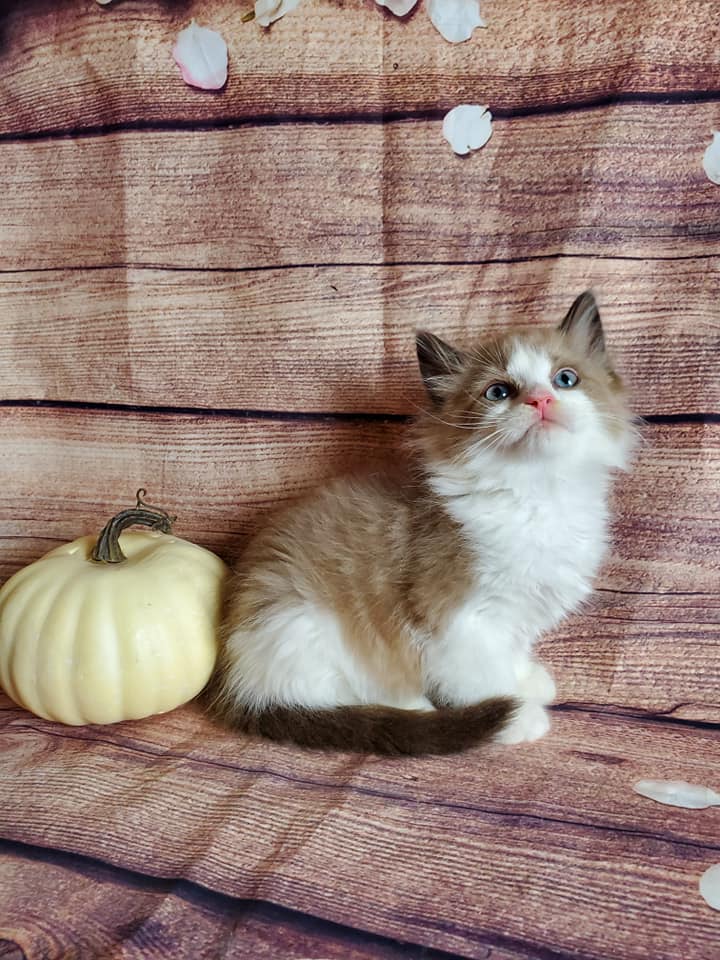
Why Rotating Toys Helps Your Ragdoll Stay Engaged
Ragdolls are known for their gentle nature, people-focused personality and playful curiosity. Rotating their toys gives these intelligent cats fresh ways to explore, stalk, pounce and solve small challenges without filling the home with an ever-growing collection of unused items.
Mental stimulation is especially valuable for indoor cats. In Australian homes, where many Ragdolls live in apartments in Melbourne, Sydney or Brisbane, safe indoor play can provide exercise and enrichment when outdoor access is restricted by traffic, heat, rental conditions or local council rules.
A thoughtful rotation also makes familiar toys feel exciting again. Rather than leaving every wand, ball and puzzle on the floor, a household can offer a smaller selection, put some items away and reintroduce them at useful intervals. This supports healthy play habits while making it easier to notice what each cat truly enjoys.
Why Familiar Toys Lose Their Appeal
Cats are natural hunters, and hunting involves changing sights, sounds, textures and movement. When the same toys remain available every day, a Ragdoll may investigate them thoroughly and then decide they are no longer worth pursuing. This does not necessarily mean the toy is poor quality; it may simply have become predictable.
A rotating collection creates novelty without constant shopping. One week might feature soft mice and a crinkly tunnel, while the next offers a feather wand, lightweight balls and a treat puzzle. The change encourages sniffing and exploration, helping an indoor cat use its senses in a more satisfying way.
Ragdolls can be relaxed and slower-moving than some other breeds, but they still benefit from opportunities to climb, chase and think. Their affectionate temperament also means many prefer interactive games shared with a person rather than toys left unattended for long periods.
Matching Toys To Natural Behaviour
Different toys meet different parts of a cat’s behavioural repertoire. Wand toys imitate quick prey, kicker toys support grabbing and bunny-kicking, and rolling balls encourage chasing. Food puzzles add problem-solving, while tunnels and fabric forts provide places to hide before making a playful “ambush”.
For families considering the breed, the Ragdoll cat breed profile can help explain why gentle interaction, companionship and regular enrichment suit these cats so well. A toy rotation works best when it reflects the individual cat rather than relying on a fixed list.
Observe whether your Ragdoll prefers noise, movement, height or scent. Some cats enjoy a feather dragged slowly along the floor, while others respond to a quiet toy that can be batted under furniture. Rotating by category keeps the experience varied while preserving the activities that produce genuine interest.
A Practical Rotation For Australian Homes
Australian households often need to consider warm weather, hard flooring and compact living spaces. In a hot Perth or Adelaide summer, vigorous play can be scheduled during cooler morning or evening periods, with water available nearby. In an apartment, soft toys and low-impact games may be more suitable than noisy hard balls that disturb neighbours.
The following approach keeps the selection manageable and gives each type of enrichment a regular place:
| Toy category | What it supports | Rotation idea | Safety note |
|---|---|---|---|
| Wand or teaser | Chasing and bonding | Offer during supervised sessions | Store away after play |
| Soft mice and plush toys | Carrying and pouncing | Keep two or three available | Remove loose eyes, threads or filling |
| Balls and springs | Independent movement | Change colours or textures weekly | Avoid very small pieces |
| Tunnels and hideaways | Stalking and retreat | Move to a different room | Check for trapped claws |
| Treat puzzles | Foraging and problem-solving | Use a few times a week | Count treats within the daily diet |
| Kicker toys | Wrestling and stretching | Reintroduce after several days | Replace damaged seams |
A simple storage basket can hold the unused toys in a cupboard or wardrobe. Avoid storing catnip items where children or pets can scatter them, and inspect toys before returning them to play. Australian pet shops and online retailers offer many enrichment products, but novelty should never outweigh secure construction and suitable sizing.
Keeping Play Safe And Age Appropriate
No toy is entirely risk-free when it has loose feathers, strings, bells, elastic or small detachable parts. Wand toys should be used with supervision and stored out of reach afterwards. If fabric splits, stitching unravels or a plastic piece becomes loose, discard or repair the item rather than returning it to the rotation.
Kittens need short, positive sessions with lightweight toys that are easy to chase and carry. Adult Ragdolls may enjoy longer interactive play, though their size and relaxed build make controlled movement preferable to repeated high jumps. Senior cats can still benefit from enrichment through scent, gentle batting and food puzzles placed on an easy-to-reach surface.
A cat’s response provides useful guidance. Increased interest, relaxed body language and a willingness to return to the toy suggest the activity is appropriate. Hiding, flattened ears, frantic movement or sudden avoidance indicate that the toy, sound or pace should be changed.
Using Rotation Alongside Daily Routine
A rotation should add variety to a predictable routine, not replace regular attention. Many Ragdolls enjoy a brief play session before a meal, reflecting the natural sequence of hunt, eat and rest. Five to ten focused minutes can be more rewarding than leaving a large pile of toys available all day.
Try changing only one or two elements at a time. For example, keep a familiar soft mouse available while introducing a new tunnel, or move a favourite puzzle to another safe area. This avoids overwhelming a cautious cat and makes it easier to identify which change has increased engagement.
Australian owners should also consider household habits such as ceiling fans, open balconies, flyscreens and children’s play areas. Toys should not be left where they can obstruct walkways or become tangled near appliances. In rental properties, portable scratching posts, foldable tunnels and temporary climbing options can provide enrichment without permanent alterations.
Building A Sustainable Toy Cycle
A useful cycle can run over two or three weeks. Keep a small group accessible, wash or clean suitable items, inspect everything in storage and then exchange part of the collection. Rotating half the toys rather than all of them preserves familiar comfort while providing enough novelty to renew interest.
Record which toys are carried, chased, ignored or shared with people. This informal note is valuable when choosing future enrichment and can reveal changes in mobility, appetite or energy that deserve veterinary attention. A sudden loss of interest in play may reflect discomfort or illness rather than boredom.
The practical takeaway is simple: keep a safe, varied selection available, store the rest, change the mix regularly and match play to your Ragdoll’s age, personality, environment and daily energy.