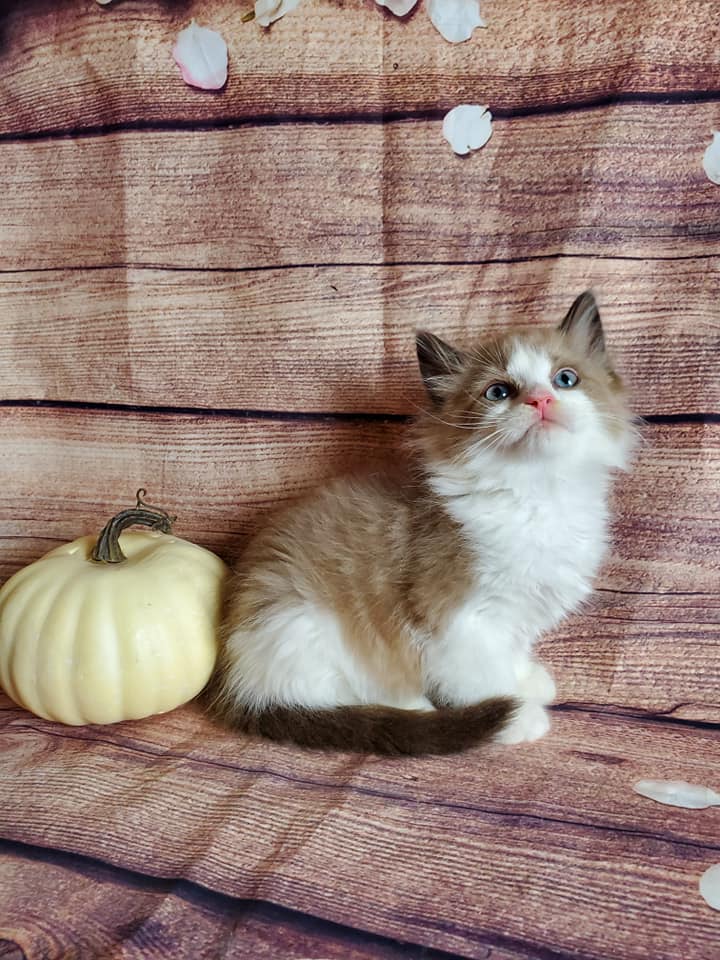
The Best Cat Beds and Blankets for a Floppy Ragdoll
Ragdolls are known for their affectionate nature, plush coats, and relaxed way of settling into a human’s arms. A sleepy Ragdoll may stretch across a cushion, curl into a loose ball, or go completely limp when picked up. That easygoing body language makes comfort especially important when choosing a bed or blanket.
The right sleep setup should provide soft support without trapping heat, flattening too quickly, or becoming difficult to clean. Since Ragdolls are large, long-haired cats, their bedding needs to combine generous dimensions, durable fabrics, and enough structure for the spine and joints.
For kittens raised in a family environment, familiar textures can also make a new home feel secure. A washable fleece throw, a padded window perch, and a quiet sleeping nook can help a young cat settle into regular rest periods.
Why Support Matters For A Relaxed Ragdoll
A floppy Ragdoll often chooses positions that look wonderfully unstructured, but its body still benefits from even support. A bed that sinks sharply in the center can leave the cat’s hips and shoulders lower than the rest of the body. Over time, that uneven surface may become less comfortable, especially for an adult or senior cat.
Look for cushioning that compresses slightly under weight and then returns to shape. Memory foam, dense orthopedic foam, and layered polyester fill are useful choices. The bed should be soft enough for lounging while remaining stable when the cat climbs in or turns around.
Size matters as well. Many Ragdolls prefer to stretch fully before sleep, so a small round nest may be unsuitable as the only bed. A spacious rectangular cushion or large bolster bed gives the cat room to change positions without pushing against the sides.
Materials That Balance Warmth And Breathability
Ragdoll coats are silky and insulating, which means overly thick bedding can become uncomfortable in a warm room. Cotton, quilted microfiber, and breathable polyester blends are practical for everyday use. They feel soft against the coat while allowing heat to escape.
Fleece and sherpa blankets are excellent for cool bedrooms, travel carriers, and winter naps, but they work best when used as removable layers. A cat should be able to move away from the warmest surface. Thin cotton throws are useful in summer and can protect the main cushion from fur and dander.
Avoid loose loops, exposed foam, and long decorative threads. Claws can catch in these materials, and Ragdoll fur may become tangled around rough seams. A tightly woven cover with reinforced stitching is safer and tends to withstand regular washing.
Beds And Blankets For Every Sleeping Style
A low-entry orthopedic mat suits a Ragdoll that likes to sprawl. It is easy to access, supports the whole body, and works well beside a sofa or in a quiet corner. A bolster bed is better for cats that enjoy leaning against something while sleeping, although the sides should not be so high that they restrict a large cat.
For elevated resting, choose a broad hammock or sturdy cat-tree platform rather than a narrow perch. The surface must be wide enough for a full-grown Ragdoll, with secure attachment points and no wobbling. Window beds are appealing because they combine comfort with a stimulating view, but they should be placed away from drafts and direct midday heat.
Blankets can make almost any safe surface more inviting. A familiar throw may help a kitten transition from a cattery to a new household, and a washable blanket can be folded into a carrier during appointments. Families exploring breed background and registration can also review this TICA registration guide while preparing for responsible Ragdoll ownership.
Comparing Comfortable Bedding Options
Each style serves a different purpose, so the best choice often involves two or three beds rather than one product. A firm base can support overnight sleep, while a fleece-covered pad offers a softer option for daytime lounging.
Washability should influence the purchase as much as appearance. A removable cover with a dependable zipper is easier to maintain than a beautiful bed that cannot be cleaned thoroughly. Check the manufacturer’s care instructions before washing, since some fills clump or lose their shape in high heat.
| Bedding Style | Best Use | Benefits | Points To Check |
|---|---|---|---|
| Orthopedic foam mat | Daily or overnight sleep | Stable support and generous space | Firmness, cover removal, correct size |
| Bolster bed | Cats that like to lean | Cozy edges and a protected feel | Low entry and strong stitching |
| Quilted cotton pad | Warm rooms and travel | Breathable, lightweight, easy to move | Thin padding may need a firm base |
| Fleece throw | Layering and comfort | Warm, familiar, machine washable | Loose fibers and overheating |
| Window hammock | Watching outdoors | Elevated view and compact footprint | Weight rating and secure mounting |
| Cave or hooded bed | Shy cats and quiet naps | Privacy and warmth | Opening size and ventilation |
Keeping Ragdoll Bedding Clean
Long-haired cats leave more fur in fabric than short-haired breeds, so bedding should be shaken or vacuumed several times a week. A washable cover helps remove dander and oils before they build up. Keep an extra cover available so the bed remains usable while the other one is in the laundry.
Wash blankets according to their fabric type and avoid heavily scented detergents. Strong fragrances can bother sensitive noses, while fabric softeners may leave residues on the coat. Unscented detergent and a complete rinse are usually sensible choices.
Inspect beds during laundry day. Replace compressed foam, torn covers, or damaged fasteners promptly. If a blanket develops long pulls or loose threads, retire it rather than trimming only the visible section.
A Practical Bedding Setup
A comfortable home arrangement can be simple and flexible:
- Place a large, supportive bed in a quiet area where the cat can rest undisturbed.
- Add a lightweight cotton blanket for warm days and a fleece layer for colder nights.
- Keep a washable throw in the carrier to provide a familiar scent during travel.
- Choose at least one low-entry option for kittens, older cats, or cats with limited mobility.
- Rotate and wash bedding regularly while checking seams, zippers, and foam condition.
Observe which surfaces the cat chooses instead of relying only on product descriptions. A Ragdoll that sleeps stretched out may prefer a wide mat, while one that curls against furniture may favor a bolster. Offering safe choices allows the cat’s natural preferences to guide the final arrangement.
The ideal bedding is soft, spacious, washable, and stable. Set up a comfortable sleep station before bringing a Ragdoll kitten home, then adjust the layers as the cat grows, the seasons change, and its favorite sleeping positions become clear.