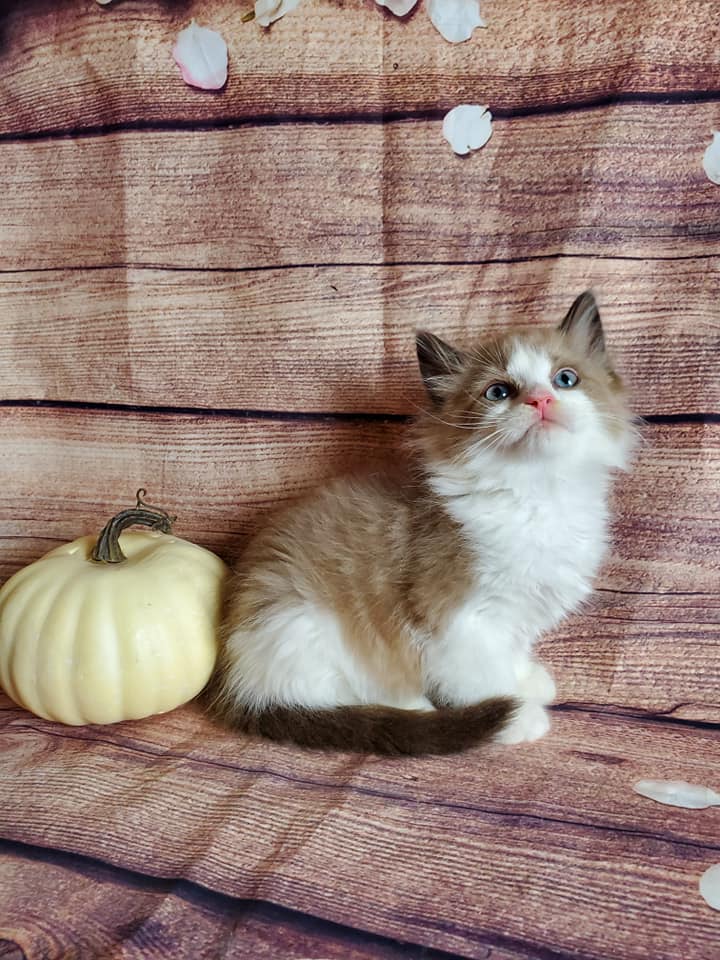
The Best Cat Grass and Safe Plants for Ragdoll Homes
Ragdoll cats are gentle, curious companions who often enjoy exploring every corner of an indoor home. A pot of grass or a few cat-friendly plants can add enrichment, texture, and natural interest to their environment while giving them a safe alternative to chewing household greenery.
The right choices matter because many attractive houseplants are toxic to cats. Ragdolls may be especially interested in low-growing leaves, hanging foliage, and plants placed near sunny windows. Selecting non-toxic varieties and keeping them clean helps create a healthier indoor space for kittens and adult cats alike.
At Ragdoll Kittens Cattery, kittens are raised in a family environment and handled daily, so safe enrichment is part of helping them become confident companions. Plant access should always be supervised, particularly while a kitten is learning what is appropriate to nibble.
Why Cat Grass Benefits Indoor Ragdolls
Cat grass usually refers to young edible shoots grown from wheat, oat, barley, or rye seeds. It offers indoor cats a source of fresh plant material and can provide sensory enrichment through its scent, texture, and movement. It does not replace a complete, species-appropriate diet, but it can be a useful addition to a stimulating home.
Some cats chew grass occasionally, while others return to it every day. Eating a small amount is generally harmless, although larger quantities may lead to vomiting or digestive upset. Cat grass should therefore be offered as an optional activity rather than a food that a cat must consume.
Choosing And Growing Cat Grass Safely
Wheatgrass is a popular choice because it grows quickly and is easy to find as a seed kit. Oat grass has soft blades that many cats enjoy, while barley and rye can provide similar enrichment. Select seeds labeled for pet use or organic growing, and avoid seed treated with pesticides, fungicides, or chemical coatings.
Use clean, well-draining soil in a sturdy container that cannot tip easily under a large Ragdoll’s weight. Place the pot in bright, indirect light and water it enough to keep the soil lightly moist. Excess water encourages mold, so the container should have drainage holes and should not sit in a saucer of stagnant water.
Replace the grass when it becomes yellow, moldy, or heavily chewed. Keep fertilizer, compost additives, and plant treatments away from the growing area. A second small pot can be started before the first one declines, giving the cat a continuous but controlled supply.
Cat-Safe Plants For A Comfortable Home
Several non-toxic plants can complement cat grass when grown without pesticides. Spider plants are resilient and attractive, although some cats become very interested in chewing them. Catnip and catmint offer scent-based enrichment, while lemon balm can provide a fresh fragrance when grown in a safe location.
Boston ferns and areca palms can add greenery without exposing cats to many of the toxins associated with common ornamental plants. African violets are another cat-friendly option for a bright room. Even safe plants may cause mild stomach upset if eaten in large quantities, so observe each cat’s response.
| Plant or Grass | Suitable Use | Care Notes | Important Precaution |
|---|---|---|---|
| Wheatgrass | Easy edible grass for daily enrichment | Bright indirect light and moderate moisture | Remove it if mold appears |
| Oat grass | Soft, attractive grazing option | Grows well in a shallow pot | Avoid treated seed |
| Spider plant | Durable indoor greenery | Allow soil to dry slightly between watering | Some cats may overeat it |
| Catnip | Scent and play enrichment | Use a sunny, well-drained location | Can overstimulate some cats |
| Boston fern | Decorative, non-toxic foliage | Needs humidity and evenly moist soil | Keep fronds free from treatments |
| Areca palm | Taller pet-friendly greenery | Bright filtered light | Use a stable, heavy pot |
Plants To Keep Away From Cats
Lilies are among the most dangerous plants for cats. Every part of many true lilies, including pollen and vase water, can cause severe kidney damage. Easter lilies, tiger lilies, Asiatic lilies, and daylilies should never be brought into a Ragdoll home.
Other plants to avoid include sago palm, pothos, philodendron, dieffenbachia, oleander, kalanchoe, jade plant, and many types of ivy. Aloe can also cause digestive problems if chewed. Plant names can be confusing, so check the scientific name and consult a reliable veterinary poison resource before purchasing unfamiliar greenery.
Cut flowers and floral arrangements deserve the same care as potted plants. A bouquet may contain lilies or greenery that is unsafe, and flower food added to the vase can create another hazard. When a plant’s identity is uncertain, keep it out of the cat’s living area.
Creating A Safe Plant Station
A dedicated plant station makes supervision easier. Use a heavy ceramic planter, raised tray, or enclosed growing shelf that prevents soil from scattering across the floor. Keep electrical grow lights and cords secured, especially with playful kittens that may climb or chew.
Place plants away from curtains, shelves, and furniture that could become launch points. Long leaves and trailing vines can invite climbing or pulling, while fallen leaves may be carried around the house. Regularly inspect foliage for pests, damaged sections, and signs of chewing.
Ragdolls are often relaxed and people-oriented, but individual personalities vary. One cat may ignore a fern while another repeatedly digs in the soil. Redirect unwanted behavior with toys, a scratching post, or a fresh pot of cat grass rather than relying on punishment.
Simple Plant Safety Practices
- Check every plant against a trusted veterinary toxic-plant database before bringing it indoors.
- Grow cat grass from untreated seed in clean soil, and discard it at the first sign of mold.
- Keep fertilizers, insecticides, essential oils, and floral preservatives away from cats.
- Supervise kittens around new plants until their chewing habits are clear.
- Contact a veterinarian promptly if a cat drools, vomits repeatedly, becomes weak, or may have eaten a toxic plant.
A thoughtfully chosen collection of cat grass and non-toxic greenery can make an indoor Ragdoll’s environment more engaging without adding unnecessary risk. Start with one small pot of wheatgrass or oat grass, observe your cat’s habits, and expand gradually with verified safe plants.
For more guidance on Ragdoll traits, kitten care, and creating a welcoming home for a new companion, explore the resources from Ragdoll Kittens Cattery or contact the cattery about available purebred kittens raised in a family setting.