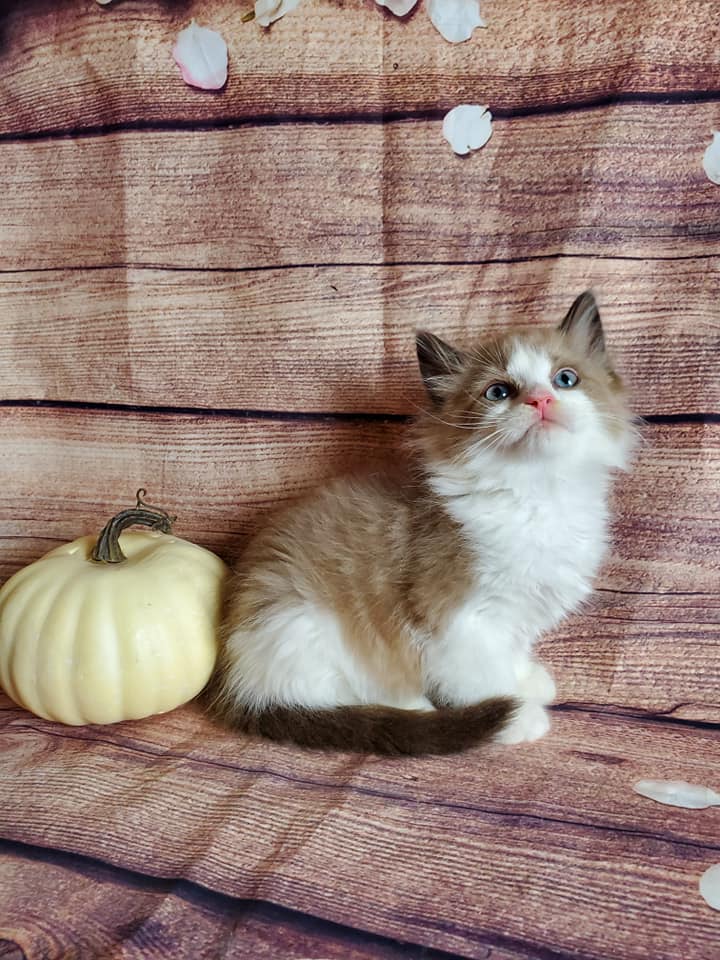
The Best Cat Trees and Scratching Posts for Ragdolls
Ragdolls are large, affectionate cats that enjoy being near their people. They may be known for a relaxed temperament, but they still need opportunities to climb, stretch, scratch, perch, and play. The right cat furniture supports these natural behaviors while giving a Ragdoll a comfortable place to rest.
Because adult Ragdolls can be substantial in size, lightweight kitten furniture is rarely the best long-term choice. A stable base, broad platforms, strong scratching surfaces, and generous sleeping areas are more important than a complicated design.
At Ragdoll Kittens Cattery in Helena, Montana, kittens are raised indoors in a family environment and handled daily. As they grow into companions or therapy cats, suitable furniture can help them stay active, confident, and comfortable in the home.
What Ragdolls Need From Cat Furniture
A Ragdoll cat tree should be sturdy enough to support a large adult cat jumping between levels. Look for a wide, heavy base and platforms that do not wobble when a cat lands on them. Tall structures can be appealing, but stability matters more than height.
Ragdolls often enjoy elevated observation points, especially when the perch is located near family activity. A platform with a raised edge or padded border can become a favorite resting spot. The surface should be large enough for the cat to turn around and lie down without hanging over the sides.
Accessibility also matters. Some Ragdolls prefer leisurely climbing rather than dramatic leaps. Multiple levels, ramps, and closely spaced platforms can make a cat tree easier for kittens, older cats, or cats with limited mobility.
Features That Make a Cat Tree Safer
A secure cat tree should have a low center of gravity and a base that rests flat on the floor. Wall anchoring is a wise extra precaution for tall models, particularly in homes with active cats or children. Avoid structures that sway noticeably during ordinary use.
The covering should provide traction without trapping claws. Carpet, tightly woven fabric, and durable upholstery can work well when firmly attached. Loose loops, exposed staples, dangling cords, and small detachable parts should be avoided because they may catch claws or become chewing hazards.
Place the tree away from narrow walkways and unstable furniture. A position near a window can provide entertainment, while a location in a family room allows a social Ragdoll to remain close to its people. Keep enough space around the structure for safe jumping and easy cleaning.
Comparing Cat Trees And Scratching Posts
A cat tree and a scratching post serve different purposes. A tree combines climbing, perching, and resting areas, while a standalone post is usually better for focused stretching and claw maintenance. Many households benefit from having both.
The best combination depends on the cat’s habits, available space, and age. The following options offer a practical starting point:
| Furniture Type | Best Use | Ragdoll-Friendly Features | Placement |
|---|---|---|---|
| Tall cat tree | Climbing, resting, observing | Heavy base, wide platforms, reinforced posts | Near a window or family room |
| Medium cat tree | Everyday activity in smaller spaces | Stable levels, padded perch, accessible steps | Living room or bedroom |
| Vertical scratching post | Full-body stretching | At least chest height, broad base, sisal wrap | Near sleeping areas |
| Horizontal scratcher | Scratching low to the ground | Corrugated cardboard or woven fabric, non-slip base | Near a favorite resting spot |
| Wall-mounted shelves | Extra vertical space | Secure anchors, broad surfaces, gradual spacing | Quiet wall with clear landing zones |
| Scratching lounge | Scratching and lounging | Curved shape, replaceable surface, sturdy construction | Family room or sunny corner |
Choosing Scratching Materials
Sisal rope is a popular choice for Ragdolls because it offers a firm texture and withstands repeated use. A vertical post wrapped tightly from top to bottom encourages a full stretch. The post should be tall enough for an adult cat to extend its body while scratching.
Some cats prefer horizontal scratchers made from corrugated cardboard, woven sisal, or dense fabric. Offering both vertical and horizontal surfaces helps identify individual preferences. A scratcher placed beside a sofa can also redirect attention from household furniture.
Replace worn scratching surfaces before they become loose or unstable. A frayed post may still be appealing, but exposed hardware or unraveling material can create safety concerns. Catnip or a favorite toy may help attract a kitten to a new scratcher, while praise can reinforce appropriate use.
Comfortable Resting And Play Areas
Ragdolls commonly enjoy soft beds, hammocks, and enclosed spaces, but comfort should not come at the expense of support. A hammock should be securely attached and large enough for the cat’s body. Small fabric pockets can be unsuitable for a full-grown Ragdoll if the cat cannot enter, turn, or exit easily.
Interactive features such as dangling toys, tunnels, and small platforms can add variety. Inspect these parts regularly and remove anything that becomes loose. Supervised play is especially important when a toy includes elastic, feathers, bells, or thin string.
Place a cat tree where the cat already spends time rather than hiding it in an unused corner. Ragdolls are often people-oriented, so furniture near a desk, sofa, or family gathering area is more likely to be used than a beautifully designed tree in an isolated room.
Setting Up A Ragdoll-Friendly Space
A new kitten may need time to explore a tall cat tree. Start with a low platform, scratching post, or floor-level bed, then allow the kitten to discover higher areas at its own pace. Never force a nervous cat onto a perch, as this can create an unpleasant association with the furniture.
Spread resources throughout the home when possible. A scratching post near the main sleeping area, a second scratcher near the sofa, and a stable perch by a window create useful choices. Multiple options are particularly helpful in multi-cat households.
Before bringing furniture home, check its dimensions, weight, replacement parts, and cleaning instructions. Washable cushions and replaceable scratcher inserts can make long-term care easier. Reliable construction is usually a better investment than extra towers, dangling accessories, or decorative features.
Practical Features Worth Prioritizing
When comparing products, focus on the details that affect daily comfort and safety:
- Choose a broad, weighted base that remains stable during climbing and jumping.
- Select platforms and beds sized for a large adult Ragdoll, not only a growing kitten.
- Provide at least one tall vertical scratcher and one horizontal scratching surface.
- Prefer tightly secured sisal, carpet, or cardboard with no exposed staples or loose threads.
- Position furniture near family activity, windows, or existing scratching locations.
- Inspect cat trees, toys, and posts regularly for wear, movement, or damaged parts.
The most suitable setup does not have to be the largest or most expensive option. A well-built medium cat tree paired with durable scratching posts may serve a Ragdoll better than a towering structure with narrow perches. Comfort, stability, and easy maintenance should guide the choice.
For families preparing to welcome a Ragdoll kitten, thoughtful furniture is part of creating a safe and enriching home. Explore the breed information and adoption resources from Ragdoll Kittens Cattery, and prepare a secure place where a new companion can climb, scratch, relax, and remain close to the people they love.