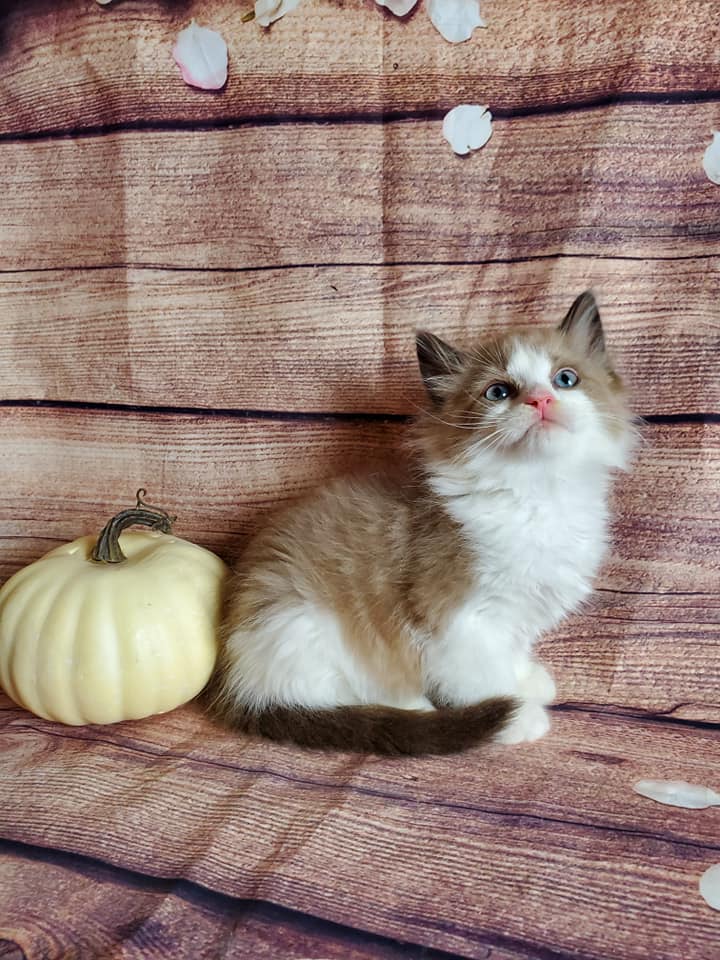
The best harnesses and leashes for walking a Ragdoll cat
Ragdolls are often known for their gentle, people-oriented nature, but every cat has a distinct comfort level outdoors. Some enjoy calmly exploring a garden or quiet trail, while others prefer watching the world from a window. A harness and leash can provide enrichment when introduced patiently and used with careful supervision.
The right equipment should feel secure without restricting breathing, movement, or the relaxed posture that makes Ragdolls so distinctive. A well-fitted harness also gives an owner better control than a collar, which can place dangerous pressure on a cat’s neck if the cat backs away or becomes startled.
For kittens raised in a family environment, short indoor practice sessions can make new equipment less intimidating. At a small, cage-free cattery such as Ragdoll Kittens Cattery in Helena, Montana, daily handling and positive socialization help kittens become familiar with gentle human interaction, but leash confidence still develops gradually in each individual cat.
Why a harness is safer than a collar
A cat should not be walked on a standard collar alone. Cats can slip backward out of loose collars, and a leash attached to a collar may strain the throat or neck if the animal pulls. A properly fitted harness distributes pressure across the chest and shoulders instead.
Look for a harness designed specifically for cats rather than a small dog harness. Cat-specific models usually have lighter materials, narrower straps, and adjustment points suited to a feline body. A breakaway collar may still be useful for identification, but the leash should attach to the harness.
Ragdolls have a soft, full coat that can make a harness seem tighter or looser than it really is. Check the fit against the body rather than judging it by appearance. You should be able to slide two fingers beneath the straps without leaving gaps large enough for a paw or shoulder to escape.
Features that make a good walking harness
A vest-style harness is often a comfortable choice for relaxed cats because it spreads contact over a wider area. Breathable mesh can work well in warm weather, while soft nylon is lightweight and easier to clean. Avoid stiff edges, rough seams, heavy buckles, and materials that mat long fur.
An H-style or Y-style harness may suit cats that dislike broad fabric across the chest. These designs can provide more freedom around the shoulders, but they require careful adjustment. Figure-eight styles are lightweight, although some cats can escape them if the fit is not precise.
Fasteners should close securely and remain easy for the owner to operate. Reflective trim can improve visibility near dusk, but it does not replace supervision. A harness should never be left on an unattended cat, indoors or outdoors.
Comparing harness and leash options
The best choice depends on your cat’s body shape, tolerance for clothing, coat length, and walking environment. Start with the lightest secure option and observe how your Ragdoll moves before purchasing more accessories.
| Equipment option | Advantages | Possible drawbacks | Best use |
|---|---|---|---|
| Soft mesh vest | Comfortable, broad pressure distribution | May feel warm or bulky | Calm cats and short outdoor sessions |
| H-style harness | Lightweight and flexible | Needs precise adjustment | Cats that dislike chest coverage |
| Y-style harness | Allows shoulder movement | Can be easier to escape if loose | Active cats with a secure fit |
| Standard fixed leash | Predictable control and light weight | Less freedom to explore | Training and supervised walks |
| Bungee leash | Reduces sudden jerks | Can encourage pulling | Experienced cats in open, quiet areas |
| Retractable leash | Provides extra range | Heavy, less predictable, tangles easily | Generally unsuitable for first outings |
A fixed leash around four to six feet long is usually easier to manage than a retractable design. It gives a cat room to sniff while allowing the handler to respond quickly to dogs, vehicles, wildlife, or sudden movement.
How to teach a Ragdoll to accept a harness
Begin indoors by placing the harness near the cat’s bed, toys, or feeding area. Let the cat investigate it without being restrained. Reward calm behavior with praise, play, or a small treat. This helps create a positive association before the harness touches the body.
Next, put the harness on for only a few seconds, then remove it. Gradually extend the time over several sessions. Some cats freeze or walk awkwardly at first; this does not necessarily mean the harness is unsuitable. However, hiding, frantic backing up, persistent biting, or clear distress means the session should end and the process should slow down.
Once the cat walks comfortably indoors, attach the leash without holding it for a moment. Then practice following gently while keeping the leash loose. Never drag a cat forward. Ragdolls should be allowed to set the pace, pause, sniff, and return indoors when they appear overwhelmed.
Choosing a leash for different environments
For a first outdoor experience, select a quiet, enclosed area away from traffic and unfamiliar dogs. A short fixed leash offers enough freedom for investigation while preserving control. Keep the first sessions brief and finish before the cat becomes tired or anxious.
A longer leash may be appropriate in a secure private yard after the cat has developed confidence, but it should never be used near roads or crowded public areas. Retractable leashes can extend unexpectedly, wrap around furniture or vegetation, and make it difficult to stop a frightened cat quickly.
Outdoor equipment should be checked before every use. Examine stitching, clips, buckles, and attachment rings for wear. Keep vaccinations, parasite prevention, and identification current, and discuss outdoor plans with a veterinarian, particularly for a young kitten or a cat with a health concern.
Matching equipment to your cat’s age and personality
Young kittens may outgrow a harness quickly, so measure the chest regularly rather than relying on an old setting. A lightweight adjustable model is practical, but comfort and escape resistance matter more than choosing the smallest or least expensive option. Wait until a kitten is settled, healthy, and ready for new experiences before beginning outdoor training.
An adult Ragdoll that is confident and curious may enjoy structured exploration, while a shy cat may prefer an enclosed stroller, screened patio, or indoor enrichment. Walking is optional; it should add interest to a cat’s life rather than become a source of pressure.
For families considering a Ragdoll as a companion or therapy cat, temperament, health, and adaptability are important considerations alongside appearance. Responsible breeders provide information about breed traits, health screening, socialization, and the adoption process so families can choose an appropriate match.
Practical choices for a comfortable start
Use these guidelines when selecting and introducing walking gear:
- Choose a cat-specific, adjustable harness that stays secure when the cat backs up.
- Pair it with a lightweight fixed leash rather than beginning with a retractable model.
- Favor soft, breathable materials with smooth seams and no restrictive neck pressure.
- Practice indoors with rewards before attempting an outdoor walk.
- Inspect the fit and hardware before every session, and stop if your cat shows distress.
A Ragdoll does not need to walk like a dog to benefit from safe outdoor enrichment. A few quiet minutes of sniffing and observing can be enough, provided the cat remains comfortable and the handler maintains close control.
If you are preparing to welcome a Ragdoll kitten, learn about the breed’s temperament, health testing, socialization, and adoption availability through Ragdoll Kittens Cattery. Contact the cattery to discuss whether a particular kitten may suit your household and future plans for gentle harness training.