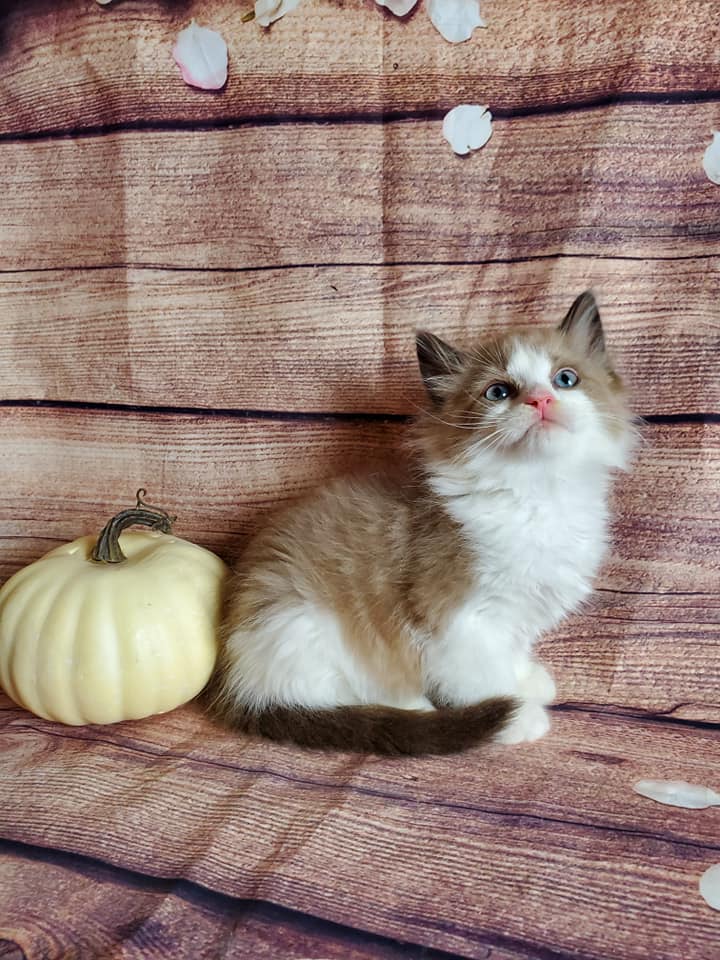
Slow feeder bowls and puzzle feeders that suit Ragdoll cats
Ragdoll kittens are famously food-motivated, often polishing off a bowl in minutes before looking up for more. While their laid-back personalities make them wonderful therapy companions, that same easygoing nature can hide genuine risks when a cat eats too quickly. Gulping food can lead to regurgitation, bloating, and over time, contribute to obesity in a breed already prone to putting on weight.
Across Australia, roughly 5.3 million cats share homes with humans, and indoor living is the norm in apartments from Sydney's Inner West to Brisbane's Newstead. When a Ragdoll spends most of its day on the couch, the pace at which it eats becomes a much bigger health factor. Slowing down meals turns feeding time into brain work, which matters for a breed that genuinely enjoys interaction.
For anyone collecting a new kitten from a registered breeder, getting the feeding routine right from day one saves a lot of clean-up and worry later on. The right feeder also helps a young Ragdoll settle in faster, especially during those first noisy nights when everything still feels strange.
Why a slow eater is a healthier eater
Vomiting after meals is one of the most common complaints from Ragdoll owners, and fast eating is usually the culprit. When a cat swallows kibble without chewing, air goes down with it, stretching the stomach and triggering regurgitation within minutes. Slowing the pace reduces the air intake and forces the cat to chew properly.
There is also a behavioural angle. Cats in the wild eat ten to twenty small meals a day through hunting, so a single bowl dropped twice a day is biologically unnatural. A slower feeding rhythm better matches how a Ragdoll's digestive system evolved, which can ease stress on the gut and improve nutrient absorption over time.
Weight management is another reason many Australian households invest in these products. With vet consultations often costing upwards of $80 in suburban clinics, prevention is far cheaper than treatment. Keeping a Ragdoll at a healthy five to seven kilograms through controlled portions and slower eating can add years to its life.
Types of interactive feeders worth a look
Puzzle bowls are the classic option. They feature raised ridges, channels, or small compartments that force the cat to work around obstacles to reach each piece of kibble. Most are dishwasher safe and priced between $15 and $45 AUD at major retailers.
Moving or rolling feeders, often shaped like balls or eggs, require the cat to bat the toy across the floor so kibble falls out a small hole. These work brilliantly for active Ragdolls who need extra stimulation, though they are messier on hard floors. A few owners slide one onto a bathroom mat to keep things tidy.
Lick mats and timed automatic feeders sit at opposite ends of the spectrum. Lick mats are silicone trays where wet food or pâté is spread into grooves, turning a meal into a five-minute licking session. Timed feeders dispense a set portion at scheduled intervals, which suits busy households in places like Melbourne's CBD where owners may not be home at exactly 6pm.
Choosing a feeder that matches a Ragdoll's build
Ragdolls are a large breed, often reaching six to nine kilograms once fully grown, but their paws and jaws are not as powerful as a Maine Coon's. A feeder designed for medium cats usually fits a Ragdoll well, though oversized puzzle bowls with deep channels can frustrate a flatter-faced kitten.
Consider the kibble size too. Ragdoll breeders commonly recommend a round kibble around 8 to 10 millimetres in diameter. If the pieces are too large for the feeder's openings, a cat may simply give up and walk away, defeating the purpose entirely. Testing the feeder with a handful of dry food before buying, or choosing a design with adjustable openings, makes the transition smoother.
Height matters more than many people realise. A bowl that sits flat on the floor forces a cat to crane its neck downward, which can aggravate digestion. Raised feeders with a slight tilt, available at Petbarn and Petstock stores nationwide, encourage a more natural eating posture and reduce post-meal discomfort.
Where Australian owners are buying them
Petbarn remains the most visible specialist retailer, with around 160 stores across the country and a solid online range. Petstock is a close second, especially strong in regional areas of Victoria and Tasmania where fewer independent pet shops operate. Both chains run regular promotions, and a basic slow feeder can often be picked up during a $10 sale.
For something a bit different, many owners turn to online marketplaces like Amazon Australia, eBay Australia, or specialty sites such as Scruffy Paws Nutrition. Shipping is usually free over $49, and metro areas in Perth, Adelaide, and Canberra generally receive orders within two business days. Independent makers on Etsy AU also offer handmade timber puzzle boards, though these work better for confident eaters rather than kittens.
| Feeder type | Best for | Approximate AUD price | Cleaning | Mess level |
|---|---|---|---|---|
| Ridge puzzle bowl | Beginners, kittens | $15–$30 | Dishwasher safe | Low |
| Rolling ball feeder | Active adults | $20–$45 | Hand wash, dry thoroughly | Medium |
| Silicone lick mat | Wet food, slow mornings | $10–$25 | Dishwasher safe | Low |
| Timed automatic feeder | Busy owners, two-cat homes | $80–$180 | Removable tray | Low |
| Raised tilted bowl | Older Ragdolls, joint care | $25–$60 | Hand wash | Low |
When a new feeder arrives, it is worth lining it up alongside the kitten's usual bowl for a few days rather than swapping immediately. This gives the cat time to investigate the new shape and smell without pressure, and reduces the chance of a hunger strike during the transition.
Helping a reluctant Ragdoll adjust
Some cats take to a new feeder straight away, others need a gentle nudge. Smearing a little wet food or a few treat drops into the channels at the start can help a hesitant kitten realise there is food worth working for. Keeping the first few sessions short, around three to five minutes, prevents frustration.
Signs the difficulty level needs adjusting
- Pawing aggressively at the feeder or flipping the bowl over
- Walking away without eating after a few attempts
- Finishing meals in under a minute
- Vocalising loudly between bites
Ways to keep a Ragdoll engaged
- Reward calm behaviour with a chin scratch rather than extra treats
- Place the feeder on a non-slip mat so it does not slide mid-meal
- Clean silicone and timber designs after every meal to prevent residue build-up
- Swap feeder styles every few months to keep the brain working
Within a week most Ragdolls will head to the feeder on their own at meal times, treating it as part of the daily routine rather than a puzzle to solve.
If a kitten is on its way home, ordering a slow feeder ahead of arrival and placing it near the food station on day one sets healthy habits from the start. Pair the new routine with the feeding guidance in the adoption information so the kitten, the bowl, and the routine all arrive together.