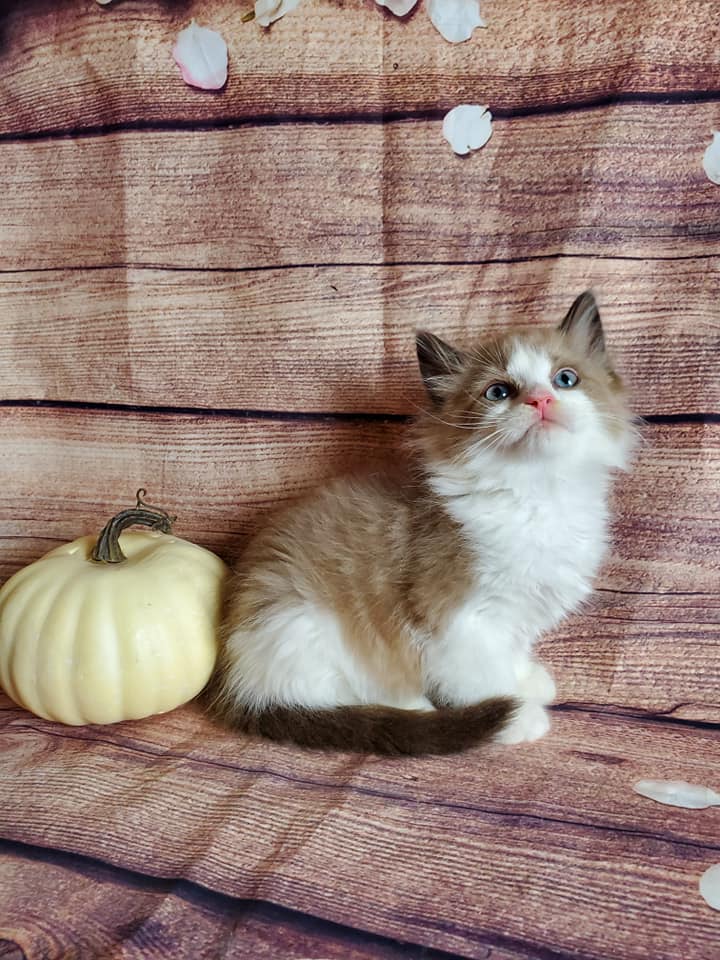
Cuddling your Ragdoll kitten the right way
Ragdoll kittens are famous for going limp in your arms the moment you scoop them up, a trait that earned the breed its name. That docile nature makes them wonderful companions, but it also means new owners need to handle them thoughtfully from day one. The way you pick up, hold, and comfort a young Ragdoll shapes how trusting and affectionate it becomes as an adult.
Australians have a soft spot for indoor cats, and Ragdolls fit perfectly into apartment living in Sydney and Melbourne, where many households share a compact space with a beloved pet. Before you settle in for your first snuggle, it helps to understand a few practical habits that keep your kitten relaxed, safe, and eager for the next cuddle session.
Getting to know the Ragdoll temperament
Ragdolls are often described as puppy-like because they follow family members from room to room and greet them at the door. Their famously relaxed muscles mean a kitten will drape itself across your shoulder or settle into your lap with very little resistance. That easygoing quality is not a free pass for rough handling, though; it simply means the breed tolerates human contact exceptionally well when introduced gently.
Because these kittens are bred for calm temperaments, they tend to recover quickly from minor scares and rarely hold grudges. Still, every kitten is an individual, and some prefer short bursts of affection over long lap sessions. Watching how your kitten responds to touch during its first weeks at home helps you tailor your approach to its personality.
Setting up a calm cuddle spot
Ragdolls thrive on routine, so choosing a consistent location for bonding sessions helps them feel secure. A soft throw on the couch, a fleecy blanket on a reading chair, or a quiet corner of the bedroom all work well. Keep the area away from the hustle of the front door, the television, and the kitchen during busy meal prep times.
Australian homes often have tiled floors or polished timber, which can feel chilly for a young kitten. Placing a self-warming pet mat or a microwavable heat disc beneath the blanket mimics the warmth of littermates and makes your kitten more likely to relax. Dim lighting, a familiar toy, and a calm voice all signal that this is a safe spot for a long cuddle.
Picking up and holding without stress
Always approach your kitten from the side rather than swooping in from above, as overhead movements can trigger a startle response. Slide one hand under the chest just behind the front legs and use the other to support the hindquarters. Lift smoothly and bring the kitten close to your body so it feels the warmth and rhythm of your breathing.
When holding a Ragdoll, cradling it against your chest or letting it drape along your forearm works beautifully because the breed's relaxed muscle tone allows it to mould to your shape. Avoid squeezing or restricting movement, even playfully, as this can teach a kitten that human arms feel uncomfortable. If the kitten squirms, lower it gently back to the floor rather than holding on tighter.
Building a daily affection routine
Consistency matters more than duration, especially in the early weeks. A ten-minute cuddle before your morning coffee and another after dinner teaches your kitten when to expect attention. Many Aussie owners find that bonding sessions work best when the household is quiet, such as after the kids have gone to school or once the evening footy replay has finished.
Use these moments to introduce gentle grooming, light massage around the ears and cheeks, and soft spoken praise. Ragdolls usually adore being brushed, and pairing brushing with cuddling creates a positive association. Keep a small treat handy, such as a piece of plain cooked chicken, to reward calm behaviour during lap time. Vets at Greencross and other local clinics often recommend these quiet, predictable routines for young kittens adjusting to a new home.
Reading body language and knowing when to pause
A relaxed Ragdoll will have soft eyes, slow blinks, and a loosely curled tail. Purring, gentle kneading, and a slightly floppy posture are clear signs your kitten is enjoying the moment. If the ears flatten, the tail flicks rapidly, or the skin ripples along the back, it is time to give your kitten a break.
Respecting these signals builds long-term trust and prevents overstimulation, which can otherwise lead to nipping or scratching. Offering a perch on a cat tree or a window seat gives the kitten an honourable exit when it has had enough affection. Over time, you will learn each individual kitten's preferences, and the cuddles will grow longer and more frequent.
| Age range | Handling approach | Recommended cuddle length | Key tip |
|---|---|---|---|
| 8–10 weeks | Extra gentle, full body support | 5–10 minutes several times daily | Keep sessions short and frequent |
| 11–14 weeks | Introduce light grooming | 10–15 minutes, twice daily | Pair brushing with lap time |
| 4–6 months | Allow more freedom of position | 15–25 minutes on demand | Watch for overstimulation cues |
| 6–12 months | Encourage independent cuddle choices | As long as kitten remains relaxed | Provide a perch for easy exits |
Bringing a Ragdoll kitten into your home is the start of a long, affectionate friendship. Treat each cuddle as a small investment in trust, and your kitten will repay you with years of floppy, purring companionship on the couch, the bed, and anywhere else you happen to settle.