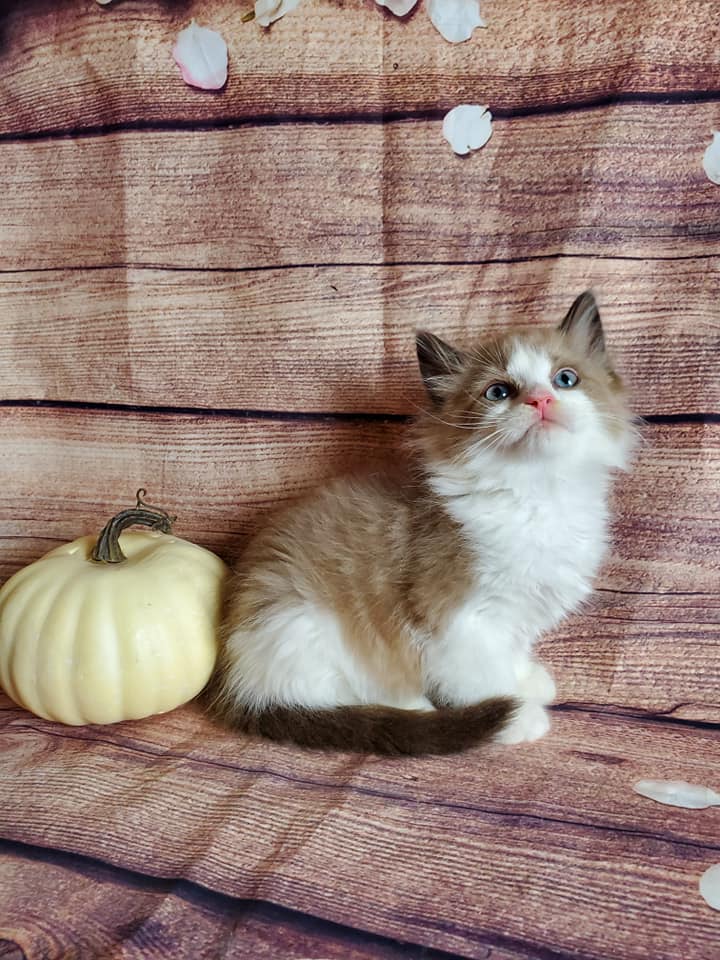
The Best Preventive Care Schedule for Ragdoll Cats
Ragdoll cats are known for their gentle personalities, striking blue eyes, and semi-long coats, but their calm nature can sometimes hide early signs of illness. A consistent preventive care routine helps protect their health before small concerns become serious problems.
The ideal schedule combines veterinary examinations, vaccinations, parasite control, dental care, weight monitoring, and breed-aware screening. Your veterinarian may adjust timing based on age, lifestyle, travel history, medical background, and whether your cat lives exclusively indoors.
For families bringing home a new kitten, preventive care begins with reliable health records and a clear plan for the first veterinary visit. A reputable cattery should explain completed vaccinations, deworming, examinations, and any recommended follow-up testing.
Start With A Complete Health Baseline
Schedule a veterinary examination within the first few days after adoption, or according to the health guarantee and instructions provided by the breeder. The appointment should include a full physical examination, body-weight assessment, heart and lung evaluation, eye and ear inspection, oral examination, and discussion of nutrition.
Bring all medical records, including vaccine dates, parasite treatments, registration information, and screening results. If your kitten will travel a long distance, review the cattery’s shipping details in advance so transportation requirements do not interfere with timely veterinary care.
Your veterinarian may recommend testing for FIV and FeLV based on household circumstances, exposure risk, or the cat’s medical history. These tests are especially relevant when introducing a new cat to a home with other animals.
Protect Kittens During The First Year
Kittens usually receive a series of core vaccinations beginning at approximately six to eight weeks of age, with booster doses given every three to four weeks until around 16 to 20 weeks. The core feline vaccine commonly protects against feline herpesvirus, calicivirus, and panleukopenia.
Rabies vaccination follows local regulations and veterinary guidance. Some cats may need additional vaccines depending on exposure, boarding, travel, or contact with other animals. Vaccines should be recorded carefully because future boosters depend on the product used and the kitten’s age at administration.
Parasite prevention is another important part of early care. Your veterinarian can recommend safe treatment for intestinal worms, fleas, ticks, and heartworm disease. Never use a dog parasite product on a cat, since certain ingredients can be dangerous or fatal.
A Year-Round Care Calendar
A schedule is easiest to follow when care is divided into routine intervals. Indoor living lowers some risks but does not eliminate the need for vaccines, parasite prevention, dental monitoring, or annual examinations.
Ragdolls grow slowly and can develop weight concerns if portions are too generous or activity is limited. Ask your veterinarian to assess body condition rather than relying on a scale alone. Healthy growth should be steady, with diet changes made gradually.
| Life stage | Veterinary care | Home monitoring |
|---|---|---|
| Eight to 16 weeks | Vaccine series, deworming review, physical examinations, nutrition guidance | Appetite, stool quality, energy, litter box habits |
| Four to 12 months | Final kitten boosters, spay or neuter planning, dental development check | Weight gain, coat condition, scratching and play behavior |
| One to six years | At least annual wellness examination, vaccine review, parasite prevention | Weight, dental odor, mobility, grooming, breathing |
| Seven to ten years | Annual examination with consideration of blood and urine screening | Thirst, urination, appetite, activity, hiding behavior |
| More than ten years | Exams every six months when recommended, senior laboratory monitoring | Weight loss, confusion, stiffness, vomiting, changes in routine |
Maintain Preventive Care In Adulthood
Healthy adult Ragdolls should generally receive a wellness examination at least once each year. During this visit, the veterinarian can check the heart, lungs, joints, skin, coat, eyes, ears, mouth, and body condition while reviewing changes in behavior or household routine.
Dental disease is common in cats and can progress beneath the gumline. Regular professional dental evaluations, combined with tooth brushing at home when tolerated, help reduce plaque and painful inflammation. Veterinary-approved dental diets, wipes, or treats may provide additional support but should not replace brushing and examinations.
Continue a parasite plan throughout the year when advised. Fleas can enter indoor homes on clothing or other pets, and mosquitoes can transmit heartworm disease. Prevention should be selected for the cat’s age, weight, health status, and regional risk.
Include Breed-Aware Health Monitoring
Ragdolls can be affected by hypertrophic cardiomyopathy, a condition involving abnormal thickening of the heart muscle. Responsible breeding programs use health screening and genetic information to reduce risk, but a clear family history does not replace ongoing observation. Ask your veterinarian whether a cardiac exam, genetic test, or echocardiogram is appropriate.
At home, watch for rapid breathing, weakness, fainting, reduced stamina, or sudden reluctance to move. These signs require prompt veterinary attention. A cat that stops eating, strains to urinate, or experiences breathing difficulty should be treated as an urgent case.
Annual bloodwork and urinalysis may be useful for some adult cats, particularly those with chronic conditions, medication needs, or a higher-risk family history. Senior cats often benefit from testing every six to 12 months so kidney, liver, thyroid, glucose, and blood-cell changes can be identified early.
Build Simple Daily And Monthly Habits
Preventive medicine works best when owners notice subtle changes between appointments. Keep a regular routine for feeding, grooming, litter box care, play, and observation. Ragdolls often have dense coats that benefit from frequent combing to limit mats and reduce swallowed hair.
Useful home-care habits include:
- Weigh your cat monthly and record gradual changes rather than waiting for visible weight loss.
- Brush the coat several times each week, checking the skin for lumps, parasites, irritation, or mats.
- Examine the mouth, ears, eyes, and paws briefly during calm grooming sessions.
- Track appetite, water consumption, urination, stool quality, sleep, and activity.
- Keep vaccine certificates, laboratory results, medication instructions, and emergency contacts together.
Make changes slowly whenever possible. A sudden diet switch, new litter, stressful move, or unfamiliar pet can affect appetite and bathroom habits, making it harder to distinguish routine stress from illness.
Keep Veterinary Visits Predictable
A preventive schedule should be practical for both the cat and the household. Use a secure carrier, add a familiar blanket, and practice short carrier sessions before appointments. Fear-free handling can make future examinations easier and help the veterinary team evaluate your Ragdoll more accurately.
Review the care plan after every visit. Vaccine timing, parasite products, dental procedures, laboratory testing, and cardiac monitoring may change as your cat matures. Indoor cats, breeding cats, therapy cats, and animals that travel may each need different precautions.
Arrange the next appointment before leaving the clinic and set reminders for monthly treatments, weight checks, and grooming. Consistent records give your veterinarian a clearer picture of long-term health and help your Ragdoll remain comfortable, active, and well cared for through every life stage. Start by booking an age-appropriate wellness visit and bringing the complete health record to the appointment.