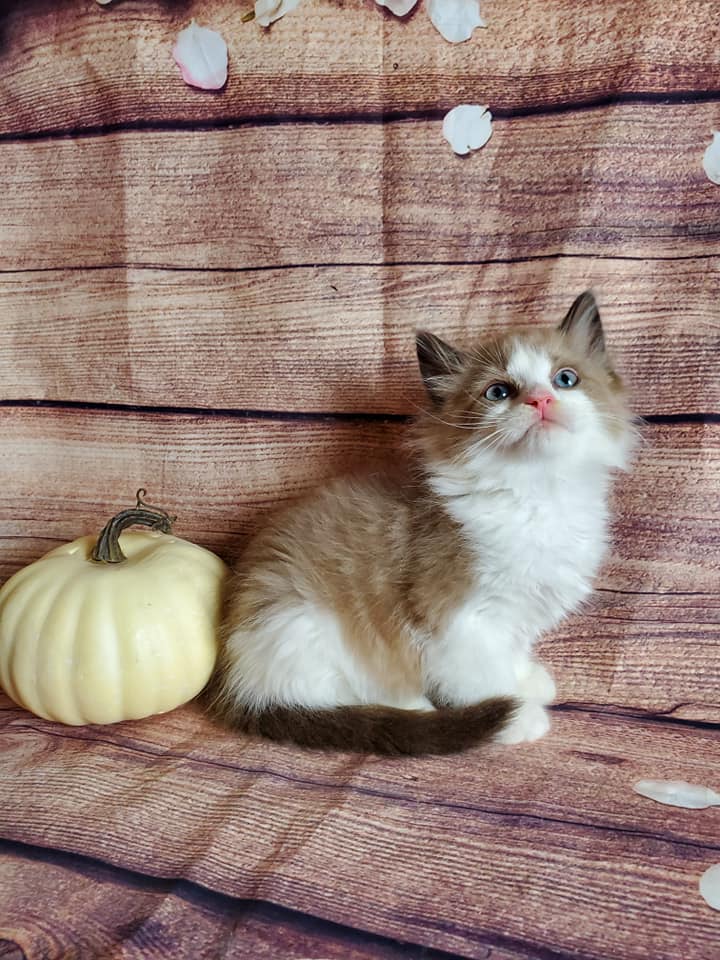
Toys that teach Ragdoll kittens to fetch
Ragdoll kittens are known for their gentle personalities, intelligence, and strong attachment to people. Many enjoy carrying lightweight toys, chasing a tossed object, and returning to their favorite person for another round. With the right play routine, fetch can become both an entertaining game and a useful way to build trust.
The best toys for encouraging this behavior are easy to see, simple to carry, and safe for small mouths. Ragdoll kittens may have a relaxed temperament, but they still benefit from daily activity that supports coordination, curiosity, and healthy confidence.
At Ragdoll Kittens Cattery in Helena, Montana, kittens are raised indoors in a cage-free family environment and handled every day. Gentle, interactive games such as toy retrieval can complement this early socialization while helping a kitten become comfortable with movement, praise, and human attention.
Why fetch suits Ragdoll kittens
Fetch combines several activities that naturally appeal to young cats: watching movement, pouncing, gripping, carrying, and following a familiar person. Ragdolls often enjoy interactive play with their families, so a game that includes returning to a person can be especially rewarding.
A kitten may not understand the full game immediately. At first, it may chase the toy and stop to inspect it. That is normal. Rewarding small steps, such as touching the toy or bringing it a short distance, helps the behavior develop without pressure.
Keep sessions brief and positive. Five to ten minutes of play is usually enough for a young kitten, especially when the game takes place several times throughout the day. Stop while the kitten is still interested rather than continuing until it becomes tired or distracted.
Features that make a toy fetch-friendly
The ideal retrieval toy is light enough for a kitten to carry and large enough that it cannot be swallowed. Soft fabric balls, small plush animals, and textured foam-free cat toys are often good choices. A toy with a little weight can roll predictably, but it should never be so heavy that it could injure a kitten’s teeth or paws.
Bright colors and clear shapes can make a toy easier to track across a room. Ragdoll kittens may also respond to crinkle sounds, fleece textures, or a gentle rattle. Individual preferences vary, so offering a few different styles can reveal whether a kitten prefers rolling, tossing, or carrying.
Avoid toys with loose strings, detachable eyes, exposed wire, or small parts. Wand toys are excellent for supervised chase play, but they should be put away after use and are not usually suitable for independent fetching.
Comparing useful retrieval toys
| Toy style | Why it encourages fetch | Best use | Safety notes |
|---|---|---|---|
| Soft fabric ball | Rolls smoothly and is easy to carry | Hallway or open-room games | Check stitching regularly |
| Lightweight plush toy | Feels satisfying to grip and transport | Gentle indoor retrieval | Choose a kitten-sized design without loose parts |
| Crinkle ball | Adds sound and keeps attention | Short, supervised sessions | Replace it if the material tears |
| Textured foam-free ball | Provides variety and a predictable bounce | Active kittens with good coordination | Avoid overly hard materials |
| Small kicker toy | Encourages gripping and carrying | Floor play after a short toss | It should be soft, compact, and free of dangling pieces |
Rotate toys instead of leaving every option available all the time. A toy that disappears for several days can feel new when it returns. Keeping a dedicated fetch toy in a drawer also helps the kitten associate that item with interactive time.
How to teach a kitten to retrieve
Begin by sitting close to the kitten and rolling the toy only a short distance. When the kitten follows, use a warm voice and gentle praise. If it touches or picks up the toy, reward the effort immediately with attention or a small, veterinarian-approved treat.
Once the kitten regularly chases the toy, increase the distance gradually. You can also toss it beside you rather than directly away, making it easy for the kitten to return. Never chase the kitten to reclaim the toy; allowing it to bring the object back voluntarily keeps the game cooperative.
Some kittens drop the toy halfway. That still counts as progress. Pick it up calmly and toss it again, or use a second matching toy to encourage movement back toward you. Over time, the kitten may begin to connect returning the toy with the continuation of the game.
Making indoor fetch safe and engaging
Choose a clear area without slippery rugs, sharp furniture edges, or fragile objects. Hallways can work well because they provide a straight path, but stairs should be blocked during active play. Young Ragdolls are still developing balance and body awareness, so low-impact movement is preferable to high leaps.
Watch for signs that play should end, including heavy breathing, hiding, flattened ears, or a sudden loss of interest. Fetch should support a kitten’s well-being, not become a test of endurance. Fresh water, quiet rest areas, and a consistent daily rhythm help keep activity enjoyable.
Interactive play also gives families a chance to learn a kitten’s communication style. A kitten that eagerly carries a toy may enjoy frequent retrieval games, while another may prefer a slow roll followed by gentle praise. Respecting these differences strengthens the bond between pet and owner.
Choosing toys for a developing personality
Ragdoll kittens can have different energy levels and play preferences even when they share the same breed traits. A confident, active kitten may enjoy a crinkle ball that skids across the floor. A more cautious kitten may respond better to a soft plush toy moved slowly within easy reach.
Color, coat pattern, and personality do not determine whether a kitten will fetch. Patience and positive reinforcement matter more. Daily handling and family interaction can make it easier for a kitten to accept new toys, sounds, and games in a relaxed way.
Families adopting from a responsible, health-focused cattery should also consider the kitten’s overall routine. At Ragdoll Kittens Cattery, attention to health screening and early socialization provides a thoughtful foundation for introducing new enrichment activities after adoption.
Simple ways to make fetch a daily habit
- Keep one lightweight retrieval toy in a familiar, easily reached location.
- Start with short rolls across the floor before attempting longer tosses.
- Praise chasing, touching, lifting, and returning instead of expecting perfect fetch immediately.
- Rotate safe toys weekly and inspect them for fraying, cracks, or loose parts.
- End each session with calm affection so the game remains a positive shared ritual.
A well-chosen toy can turn a few minutes of play into a valuable part of kitten development. Fetch encourages movement, focus, and social connection while giving a Ragdoll kitten a fun way to interact with the people it trusts.
Explore the available Ragdoll kittens and learn more about bringing home a healthy, well-socialized companion from Ragdoll Kittens Cattery in Helena, Montana.